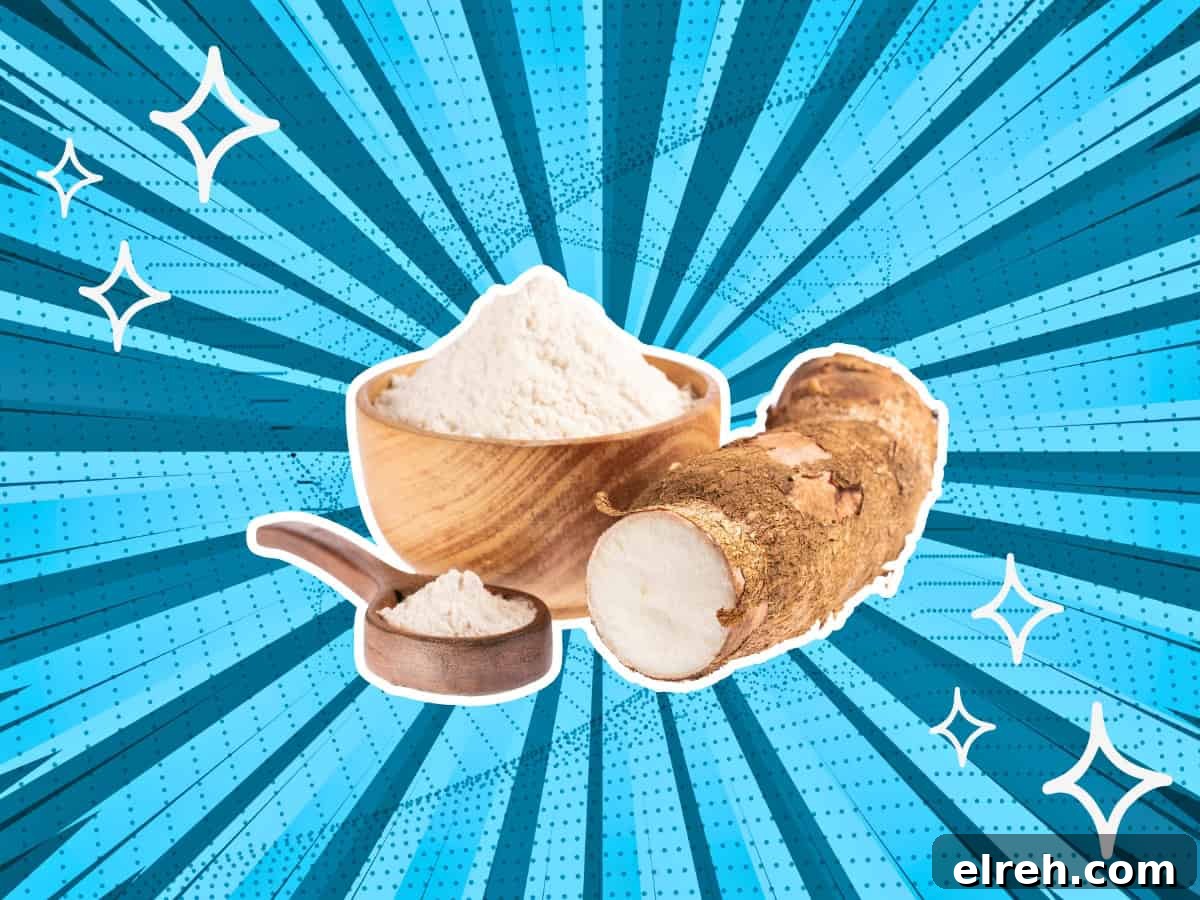
Finding a reliable substitute for arrowroot powder — the fine white starch extracted from the tropical Maranta arundinacea plant — can save a recipe when you’re mid-cook and the pantry comes up short. If you discover you’re out of arrowroot, there are several pantry-friendly alternatives that can deliver similar thickening power and texture without changing the flavor profile of your dish.
We tested and compared common options that perform well in sauces, soups, baking, and frying. Below you’ll find seven practical substitutes, each described with its strength, texture, and an easy swap ratio so you can choose the best match for your recipe.
Table of Contents
7 Easy Substitutes for Arrowroot Powder
Arrowroot powder is prized for its neutral taste, glossy finish, and ability to thicken at lower temperatures. When it’s not available, these seven alternatives cover a wide range of needs—gluten-free options, neutral flavors, and pantry staples—each listed with a practical swap ratio and typical uses.
| Substitute | Taste | Texture | Ratio | Suitable Dishes |
| Cornstarch | Neutral | Smooth, glossy | 1:1 | Sauces, gravies, puddings, pie fillings |
| Tapioca Starch | Mild | Chewy, glossy | 1:1 | Pies, puddings, baked goods |
| Potato Starch | Neutral | Fine, matte | 1:1 | Soups, stews, baking |
| Rice Flour | Mild | Light, slightly grainy | 1:1 | Baking, coatings, thickening |
| Cassava Flour | Neutral | Fine, hearty | 1:1 | Gluten-free baking, thickening |
| Wheat Flour | Neutral | Variable, heavier | 1:1 | Gravies, sauces, baking |
| Almond Flour | Nutty | Grainy, absorbent | 1:1 | Gluten-free baking, coating |
1 – Cornstarch
Cornstarch is the most common and reliable substitute for arrowroot. Use a 1:1 ratio by volume. It creates a smooth, glossy finish and works well in sauces, gravies, and pie fillings. Cornstarch thickens at higher temperatures than arrowroot, so be sure to simmer briefly after adding it to activate the starch. It’s economical and widely available, making it a practical pantry staple.
2 – Tapioca Starch
Tapioca starch, made from cassava root, is an excellent 1:1 replacement. It yields a glossy, slightly chewy texture that’s especially nice in fruit fillings, puddings, and some baked goods. Tapioca holds up well when frozen and reheated, so it’s a good choice for make-ahead dishes. Mix it with a little cold liquid before adding to hot mixtures to avoid clumping.
3 – Potato Starch
Potato starch thickens quickly and can be used interchangeably with arrowroot at a 1:1 ratio. It produces a matte, delicate texture that suits light soups and sauces. Because it thickens rapidly, add it toward the end of cooking and avoid prolonged boiling, which can break down the thickening effect. Potato starch is a good gluten-free option when you want a subtle finish.
4 – Rice Flour
Rice flour provides a light, mild-th tasting thickening with a slightly grainier texture compared to arrowroot. Use it 1:1 for most recipes. It works well in baking, for batters and coatings, and in sauces where a delicate body is desired. To minimize grittiness, blend rice flour with cold liquid to form a smooth slurry before adding to hot mixtures.
5 – Cassava Flour
Cassava flour, made from whole cassava root, is a versatile gluten-free option. Substitute it 1:1 for arrowroot in many recipes. It tends to yield a more substantial body, so use slightly less in thin sauces if you prefer a lighter finish. Cassava performs well in breads and baked goods, providing structure and a neutral flavor profile.
6 – Wheat Flour
Wheat flour is a pantry classic for thickening, used at a 1:1 swap ratio. It creates a heavier, more opaque result and is ideal for hearty gravies and stews. To avoid lumps, cook wheat flour into a roux with fat before adding liquid, or mix it into a smooth slurry. Wheat flour is not gluten-free, so it’s not suitable for those avoiding gluten.
7 – Almond Flour
Almond flour can replace arrowroot at a 1:1 ratio in many baking applications and some coatings. It adds a pleasant nutty flavor and tender crumb but is more absorbent and slightly grainy, so it’s best used in recipes that benefit from its richness—such as pancakes, quick breads, and certain batters. Almond flour is a good gluten-free option for recipes where the nutty character complements other ingredients.
Frequently Asked Questions
Yes. Cornstarch is a suitable substitute and is commonly used at a 1:1 ratio, though it thickens at higher heat than arrowroot.
Yes. Tapioca starch provides a similar smooth, glossy texture and works well in pies, sauces, and desserts at a 1:1 ratio.
Yes. Potato starch is an effective vegan alternative that thickens quickly and provides a light finish when used appropriately.
Rice flour works as a thickener but can be slightly grainier than arrowroot. Mixing it into a smooth slurry before adding to heat helps reduce grittiness.
Yes. Cassava flour is a good gluten-free substitute for thickening and binding; it often gives a heartier texture in baked goods and sauces.