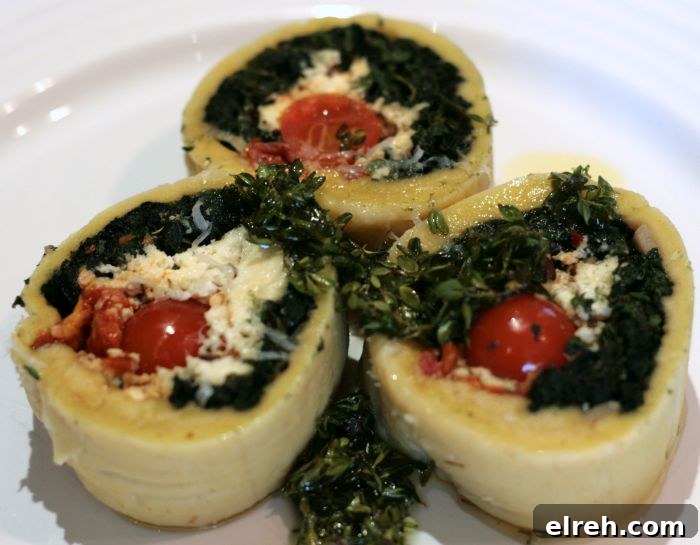
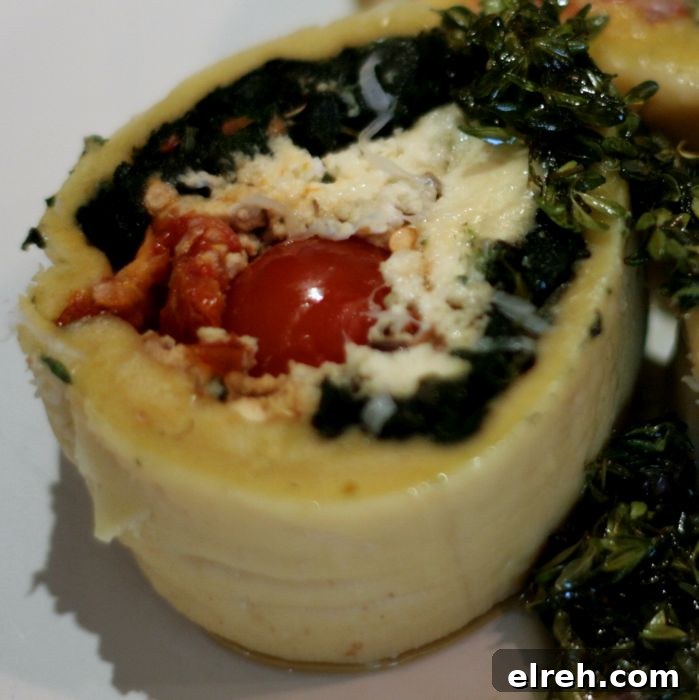
 This Italian rotolo pasta recipe is a real centrepiece. Rolled fresh pasta, a vivid green nettle filling, creamy ricotta, sweet cherry tomatoes, and fragrant lemon-thyme butter make a dish that looks beautiful on the plate and tastes fresh, rich, and satisfying.
Rotolo can look a little intimidating at first, but it is more approachable than it appears. Once the pasta dough is made and rolled out, the filling is spread over the surface, the whole sheet is rolled up in a clean cloth, then gently simmered until tender. The result is a striking spiral of pasta and filling that slices neatly and serves beautifully.
The inspiration for this version comes from the colours of the Italian flag: green, white, and red. Instead of a classic spinach or squash filling, this recipe uses freshly picked nettle tops for the green element, homemade ricotta for the white, and cherry tomatoes for the red.
Nettles bring a deep, savoury, slightly earthy flavour that works very well with pasta. The ricotta adds creaminess, the Parmesan gives savoury depth, and the tomatoes provide a juicy burst of sweetness and acidity. Finished with warm lemon-thyme butter, this homemade rotolo is fresh, aromatic, and perfect for a special lunch or dinner.
Want to know how to make it? Read on.
Ingredients
For the pasta dough
500g pasta flour
5 eggs
For the rotolo
450g fresh pasta dough
1 carrier bag full, about 5 litres, freshly picked nettle tops, washed and dried
1 large bunch fresh oregano or marjoram leaves, picked, or 2 tbsp dried herbs
2 to 3 garlic cloves, finely sliced
1 tsp coriander seeds
1 tsp fennel seeds
1 tsp chilli flakes
2 tbsp olive oil
Freshly grated nutmeg, about one-third to one-half of a nutmeg
50g unsalted butter
150g fresh ricotta
50g finely grated Parmesan
1 handful dried tomatoes, or 10 sliced mi-cuit tomatoes
20 cherry tomatoes
For the lemon-thyme butter
100g to 150g clarified butter
1 small handful lemon-thyme leaves, picked
You will also need a clean tea towel or a piece of muslin large enough to wrap the rotolo, plus a large saucepan, preserving pan, or roasting tray suitable for simmering the pasta roll.
Method
For the pasta dough
You can make the pasta dough by hand or with a machine. Both methods work well, so choose whichever suits your kitchen and equipment.
This quantity makes more pasta dough than you need for the rotolo, but the extra can be used for another fresh pasta meal. If you only want enough dough for this recipe, use 300g pasta flour and 3 eggs. That should give you approximately the 450g required for the rotolo.
To make the dough by hand, place the flour in a bowl or mound it directly on a clean work surface. Make a well in the centre and crack the eggs into it. Break up the eggs with a fork, then gradually draw in flour from the edges of the well. As the mixture thickens, bring it together with your hands and knead until smooth and elastic. This usually takes about 10 minutes, depending on your technique and room temperature. Shape the dough into a ball, wrap it in cling film, and chill it in the fridge for at least 30 minutes.
To make the dough with a machine, follow your machine’s instructions if you have them. Otherwise, use a stand mixer fitted with a dough hook or a food processor fitted with a bread blade. Place the flour in the bowl, make a well in the centre, and add the eggs. Mix slowly, or pulse, until the ingredients come together. Continue mixing or processing for about 5 minutes, until the dough is smooth and elastic. Shape into a ball, wrap in cling film, and refrigerate for at least 30 minutes.
For the rotolo
Place the coriander seeds and fennel seeds in a dry frying pan over medium heat. Toast them briefly until they become fragrant and just begin to pop. Transfer them to a mortar and pestle and grind to a fine powder. You can also use a spice mill or crush them in a bowl with the end of a rolling pin. Stir in the chilli flakes and set the spice mixture aside.
Heat the olive oil in a large pan over medium heat. Add the sliced garlic and the oregano or marjoram leaves, then fry for a few seconds until aromatic. Do not let the garlic burn.
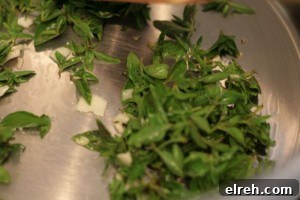 Add the nettle tops, using gloves or tongs to handle them safely. Keep them moving in the pan with tongs or a spatula until they wilt and become tender. Depending on the age and texture of the nettles, this may take 3 to 10 minutes. Stir regularly so the herbs and garlic do not catch on the bottom of the pan.
Once the nettles have wilted, add the butter, grate in the nutmeg, and season with salt and pepper. Stir everything together well, then remove the pan from the heat and leave the filling to cool slightly.
Now roll out the pasta. Take 450g of the chilled pasta dough and flatten it with your hands into a rough rectangle. Dust the work surface and dough lightly with flour to prevent sticking. Roll the dough into a rectangle about 2mm thick and roughly 30cm by 60cm. Try to keep the sheet thin and even, as the pasta will swell slightly during cooking.
Lay the clean tea towel or muslin on the work surface and place the pasta sheet centrally on top. Position the pasta so the long edge is facing you and the shorter edges run vertically.
Spread the cooled nettle mixture evenly over the pasta. Leave a 2 to 3cm gap along the top edge and about 1cm along the bottom edge. The lower gap helps you begin rolling neatly, while the top gap helps seal the rotolo. Spread the filling right to the left and right edges.
Sprinkle the coriander, fennel, and chilli mixture evenly over the nettles. Crumble the ricotta over the top, then add the finely grated Parmesan. Scatter the dried tomatoes evenly across the filling.
Arrange the cherry tomatoes in a neat line across the centre of the filling, tucking them in gently so they stay in place when the pasta is rolled.
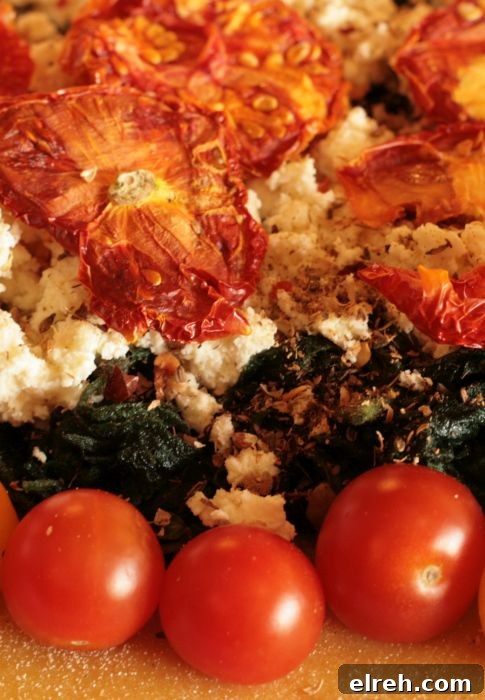 Moisten the plain strip of pasta at the top edge with a little water. This will help seal the roll.
Using the tea towel or muslin to help lift and guide the pasta, carefully roll the rotolo away from you, starting from the bottom edge. Take your time and keep the roll as even as possible. This step is easier with two people, but it can be done alone with patience. Once rolled, gently press the moistened top edge against the pasta to seal it.
Wrap the rotolo firmly but gently in the tea towel or muslin. Tie the ends of the cloth, then tie along the length to keep the roll secure. Do not tie it too tightly, as the string may cut into the pasta dough.
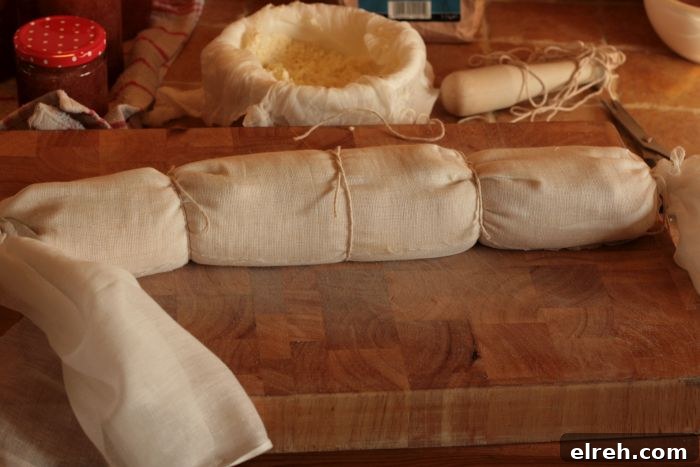 Place the wrapped rotolo in a large pan or roasting tray filled with plenty of boiling salted water. Use a plate or similar weight to keep it submerged. Simmer gently for 25 minutes, either on the stovetop or in the oven.
When cooked, carefully lift out the rotolo, unwrap it, and cut it into slices about 5cm thick. Arrange the slices attractively on warm plates or in shallow bowls.
For the lemon-thyme butter
Heat the clarified butter until hot. Add the picked lemon-thyme leaves; they may spit slightly. Remove the pan from the heat straight away. The aim is to steep the thyme briefly so its fragrant oils flavour the butter, rather than to cook the herbs for a long time.
Spoon the warm lemon-thyme butter over the sliced rotolo and serve immediately.
Variations
This homemade Italian rotolo is flexible, and the basic method can be adapted with many different fillings. Once you understand how to roll, wrap, simmer, and slice it, you can experiment with seasonal vegetables, cheeses, herbs, spices, and other savoury ingredients.
The key is to avoid fillings that are too wet. Excess moisture can make the pasta difficult to roll and may cause the finished slices to collapse. Cook leafy greens thoroughly, reduce sauces until thick, and let warm fillings cool before spreading them over the dough.
Nettle substitutes
- Spinach, cooked well to remove excess moisture
- Lettuce and peas with mint, again cooked until excess liquid has evaporated
- A thick tomato sauce made with fresh or tinned tomatoes
- Chestnut puree
- A layer of seasoned minced meat, cooked before rolling
Spice, Parmesan, and ricotta substitutes
- Finely grated citrus zest for a brighter flavour
- Other crumbly cheeses, such as feta
- A creamy cheese layer, such as taleggio or brie
- Anchovies for a salty, savoury note
- Persillade for a fresh garlic and herb flavour
Substitutes for the tomato centre
Colour matters here as much as flavour, because the centre of each slice gives the rotolo its visual impact.
- Mashed roasted squash
- Boiled or roasted root vegetables such as carrots, sweet potato, parsnip, or salsify
- Firm fish fillets cut into thick slices
- Firm seafood such as scallops, crayfish, or lobster tails
- Italian or herb sausages, browned and cooked before rolling
That is the beauty of rotolo: it is impressive enough for guests, but practical enough to adapt to the ingredients you have. Serve it hot with the lemon-thyme butter and enjoy every rich, colourful slice. Buon appetito!