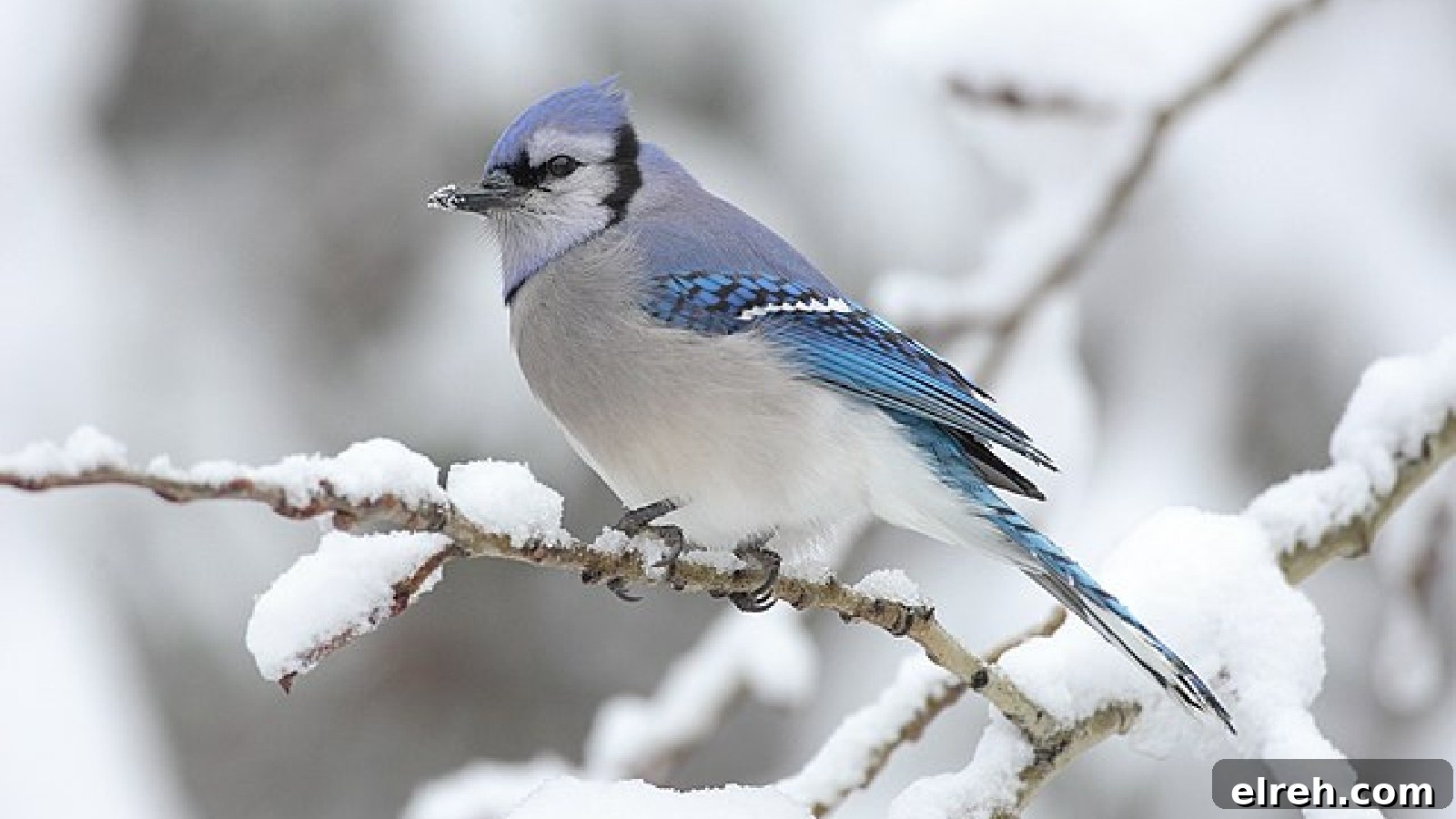
When cold weather arrives and snow begins to fall, backyard feeders can be a welcome supplement for many birds. Yet not every species depends on human-provided seed and suet to make it through winter. Numerous birds are perfectly adapted to find natural food, shelter, and warmth on their own. Understanding which species can thrive without feeders helps bird lovers appreciate how resilient wild birds really are.
Below are ten common winter birds that typically do not require backyard feeders to survive. Each species uses instinct, adaptability, and natural food sources—seeds, berries, insects, cached stores, or small prey—to get through the colder months.
Northern Cardinal
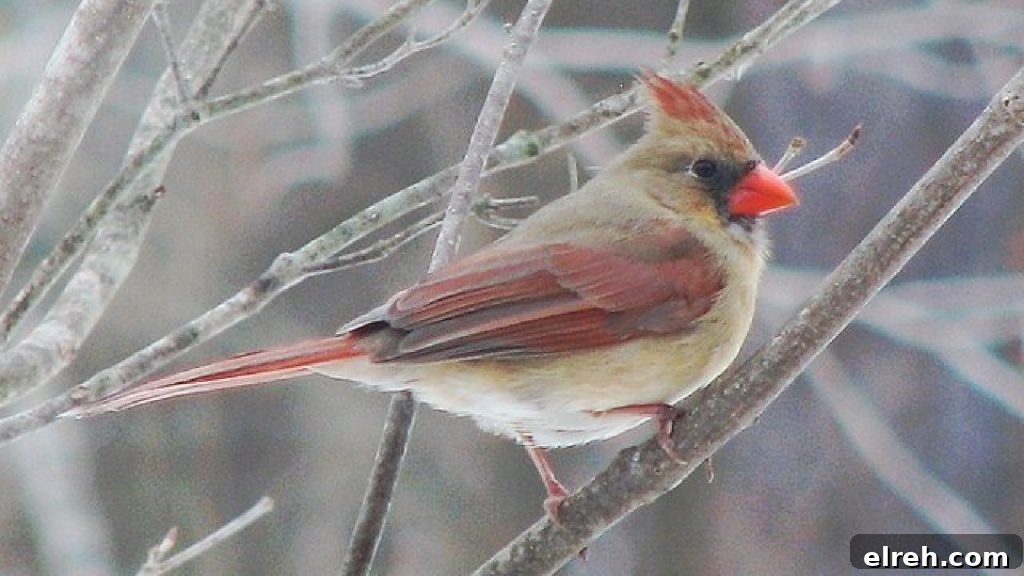
The Northern Cardinal, known for its vibrant red plumage and clear song, is a familiar winter visitor in many backyards. Cardinals forage in dense shrubs and brush for seeds and berries and will take insects when available. Their ability to use a variety of habitats—from woodlands to suburban gardens—makes them well equipped to find food on their own through the season.
Blue Jay
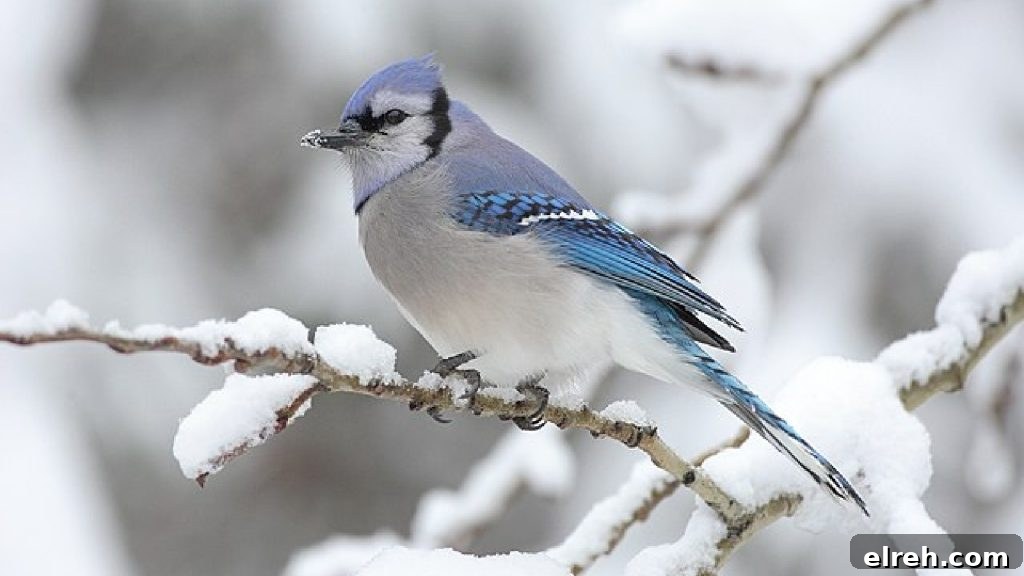
Blue Jays are among the most adaptable and intelligent winter birds. Omnivorous by nature, they eat seeds, acorns, berries and small invertebrates. Blue Jays are also skilled at caching food—storing nuts and seeds in multiple locations and returning to them later—which helps them cope when visible food is scarce during cold spells.
Dark-eyed Junco
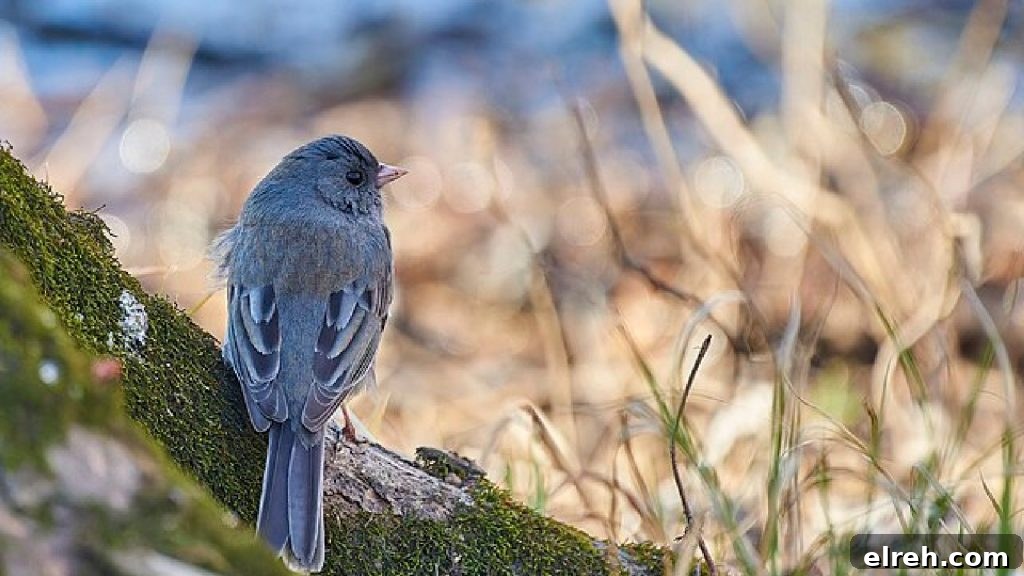
Dark-eyed Juncos are small, sparrow-like birds that frequently hop across lawns and forest floors. Their diet is heavily seed-based, and they thrive in a variety of habitats where grasses and weed seeds remain available through winter. Their foraging behavior and ground-feeding habits make them effective at finding natural food without feeder support.
Downy Woodpecker
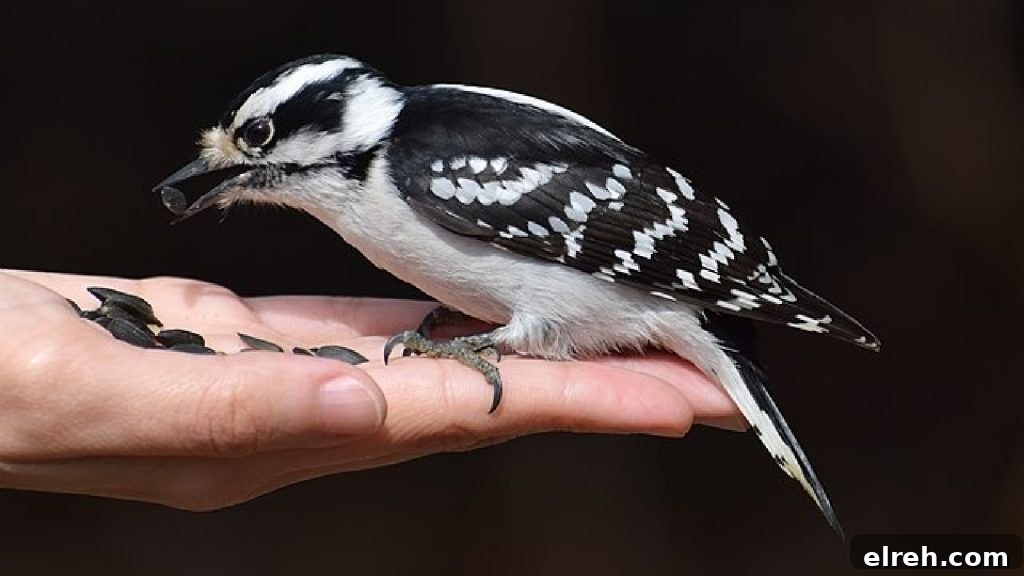
Like other woodpeckers, the Downy Woodpecker excels at extracting insects from beneath tree bark. Even in winter, many insect larvae and overwintering invertebrates remain in crevices and under bark, providing a dependable food source. Their small size and energetic foraging make them effective at finding these hidden resources.
Tufted Titmouse
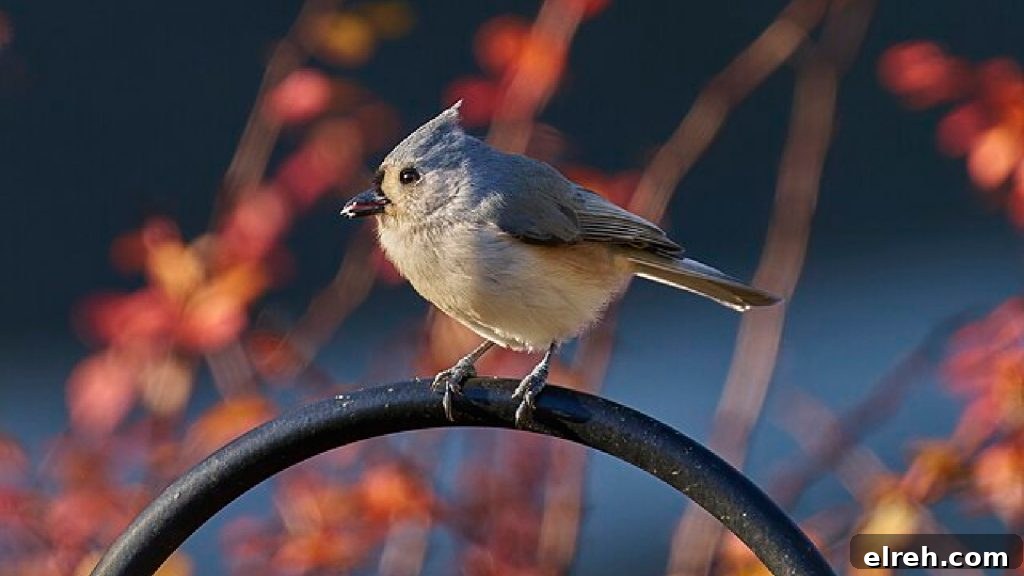
The Tufted Titmouse is a bold, inquisitive bird commonly seen in woodlands and suburban areas. They forage actively for seeds, nuts, fruits and insects, and readily exploit natural sources such as oak acorns, holly berries, and wild sunflower heads. Their versatile diet and social foraging habits help them find enough food without relying on feeders.
White-throated Sparrow
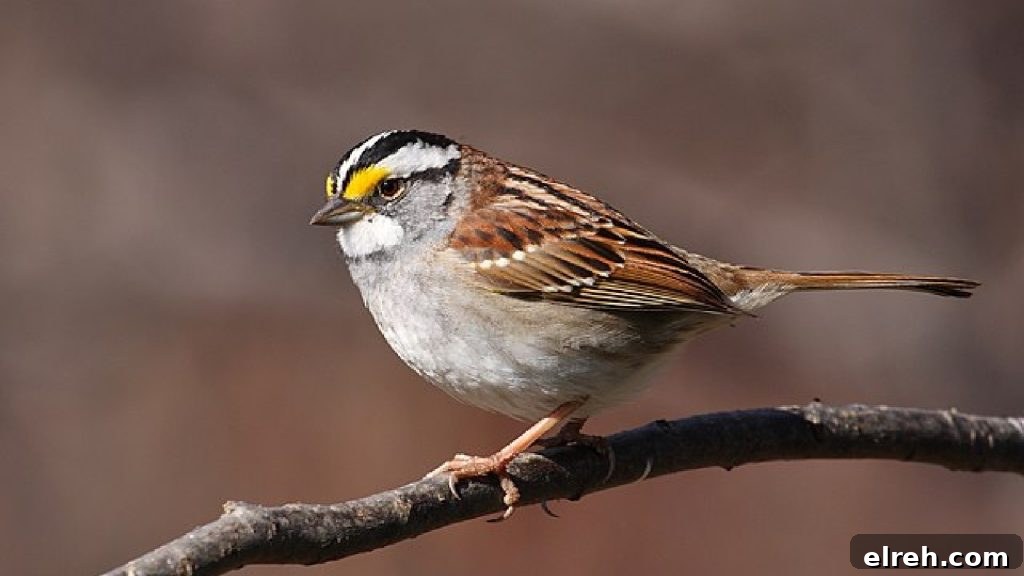
White-throated Sparrows forage on the ground, searching leaf litter and low vegetation for seeds and small invertebrates. They favor seed-producing grasses, shrubs and the persistent seed heads of wildflowers, which can provide steady nourishment through the cold months. Their ground-foraging behavior helps them access food that remains available even under light snow.
Red-bellied Woodpecker
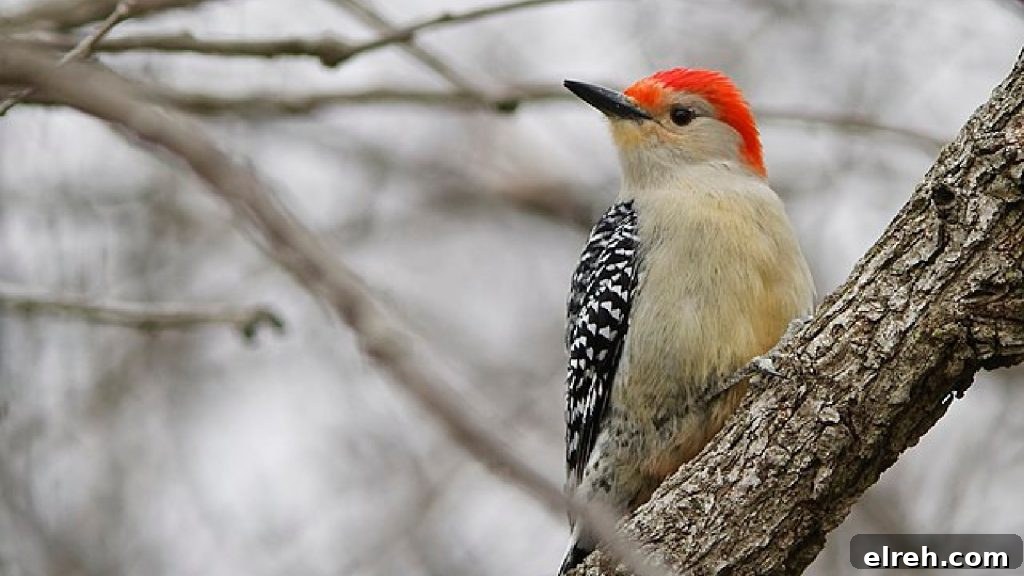
The Red-bellied Woodpecker is another species that turns to trees for sustenance. Using its strong bill, it probes bark for beetles, ants and other insects, and it will also eat fruits and nuts when available. Their ability to switch between animal and plant foods makes them resilient during winter.
American Tree Sparrow
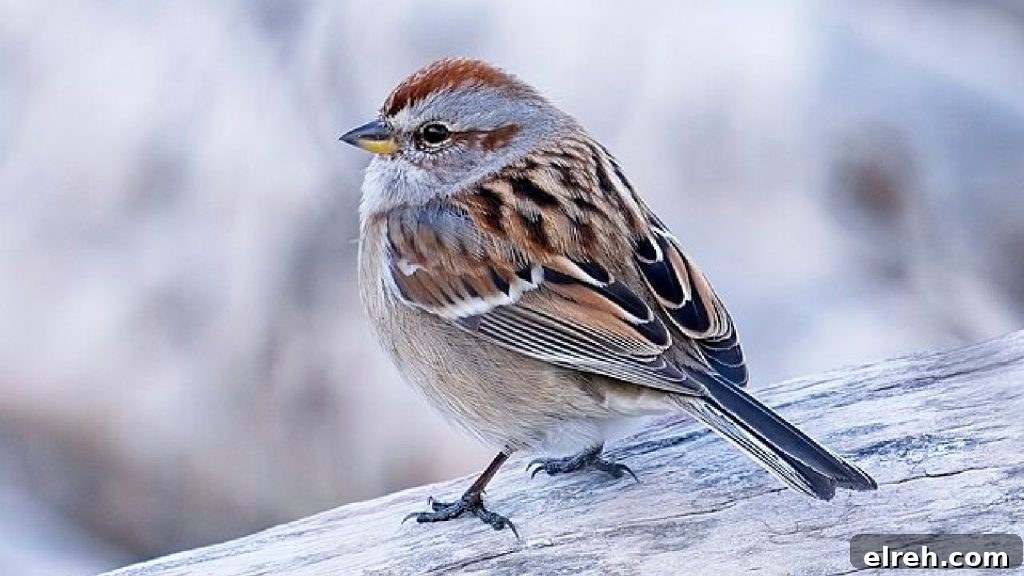
American Tree Sparrows frequent open fields and roadside weedy areas in winter. Primarily seed eaters, they exploit grasses and weed seeds left standing through the season and also take seeds from shrubs and trees. Their preference for expansive, seed-rich habitats helps them find adequate food without feeders.
House Finch
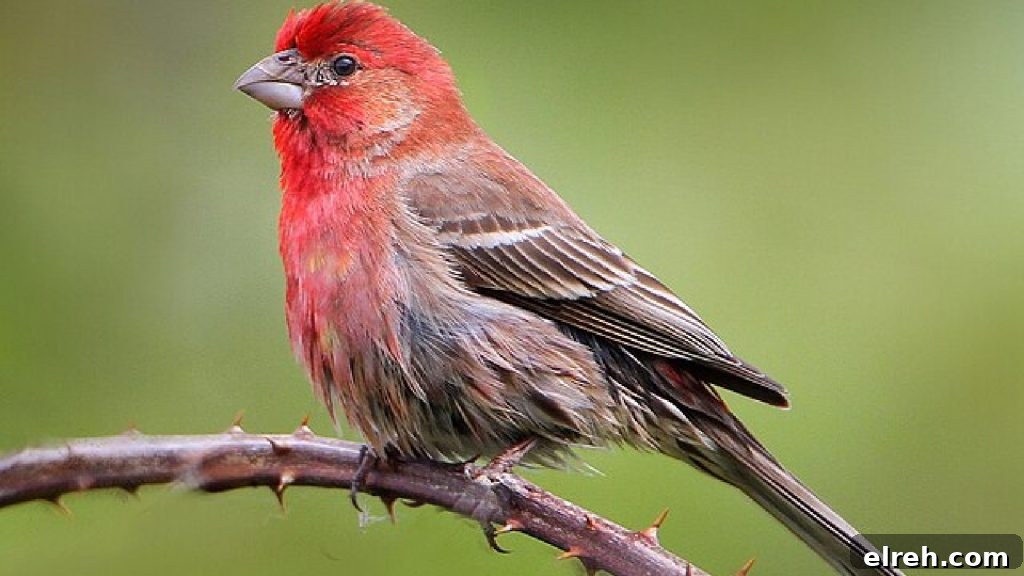
House Finches are highly adaptable and occupy a range of environments from cities to rural areas. In winter they feed on seeds, buds and berries—often gleaned from trees, shrubs and weedy plants. Their flexible diet and tolerance for human-altered landscapes make them effective at finding natural food year-round.
Northern Shrike
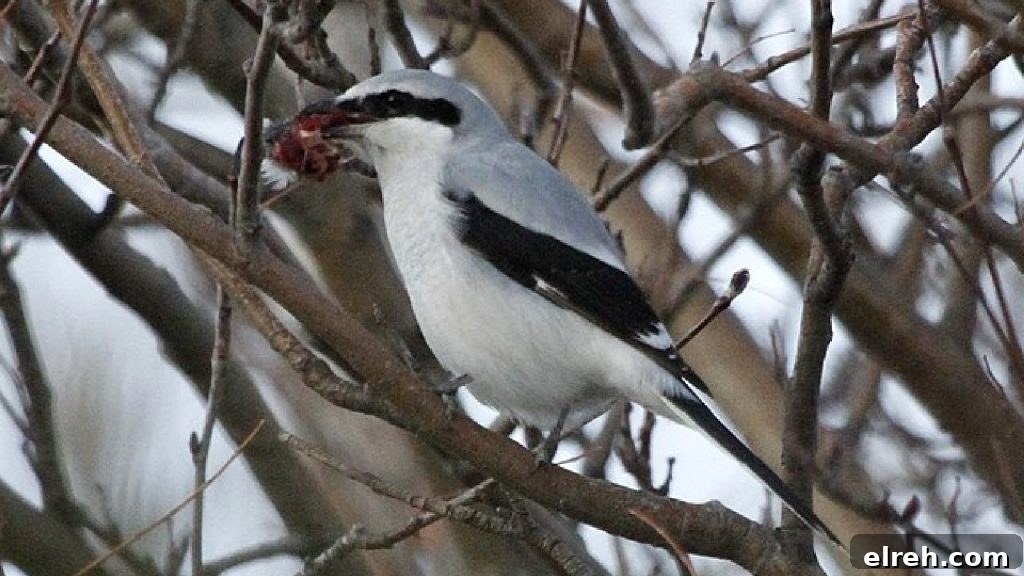
The Northern Shrike is a predatory winter visitor that survives by hunting small birds, rodents and large insects. Equipped with a hooked bill and strong feet, shrikes capture and often impale prey on thorns or barbed wire to cache meals. Their hunting skills enable them to thrive independently of backyard feeders.
Mourning Dove
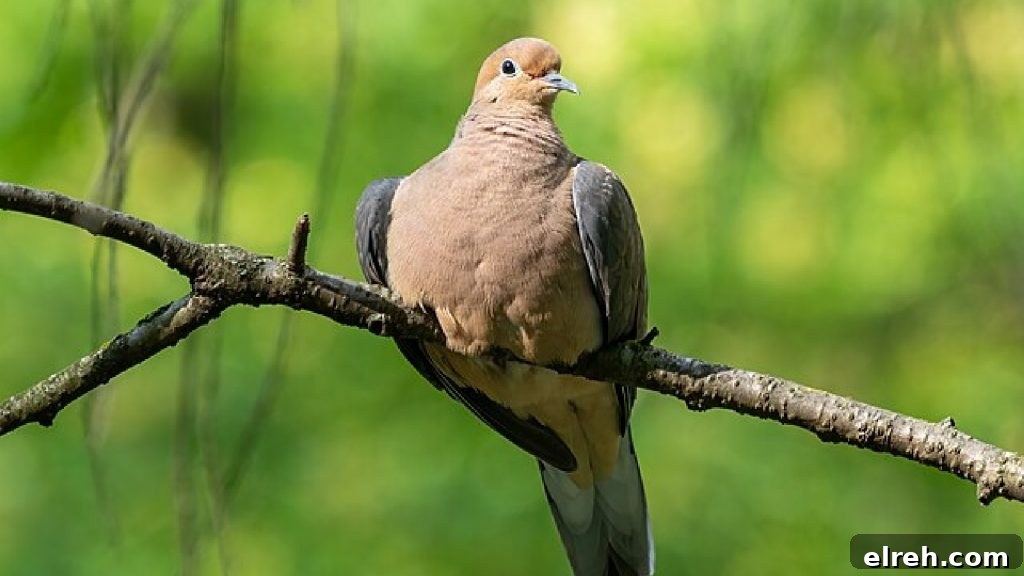
Mourning Doves commonly inhabit open woodlands, fields and urban edges. Their diet consists mainly of seeds from grasses, agricultural plants and native shrubs. While often associated with milder seasons, many doves persist through winter by foraging on the ground and in weedy patches for reliable seed sources.
Disclaimer: This list reflects the author’s synthesis of available information and observations. Individual bird behavior can vary by region and year, and providing reliable natural habitat—native plants, shrubs, and trees—supports winter survival for many species.