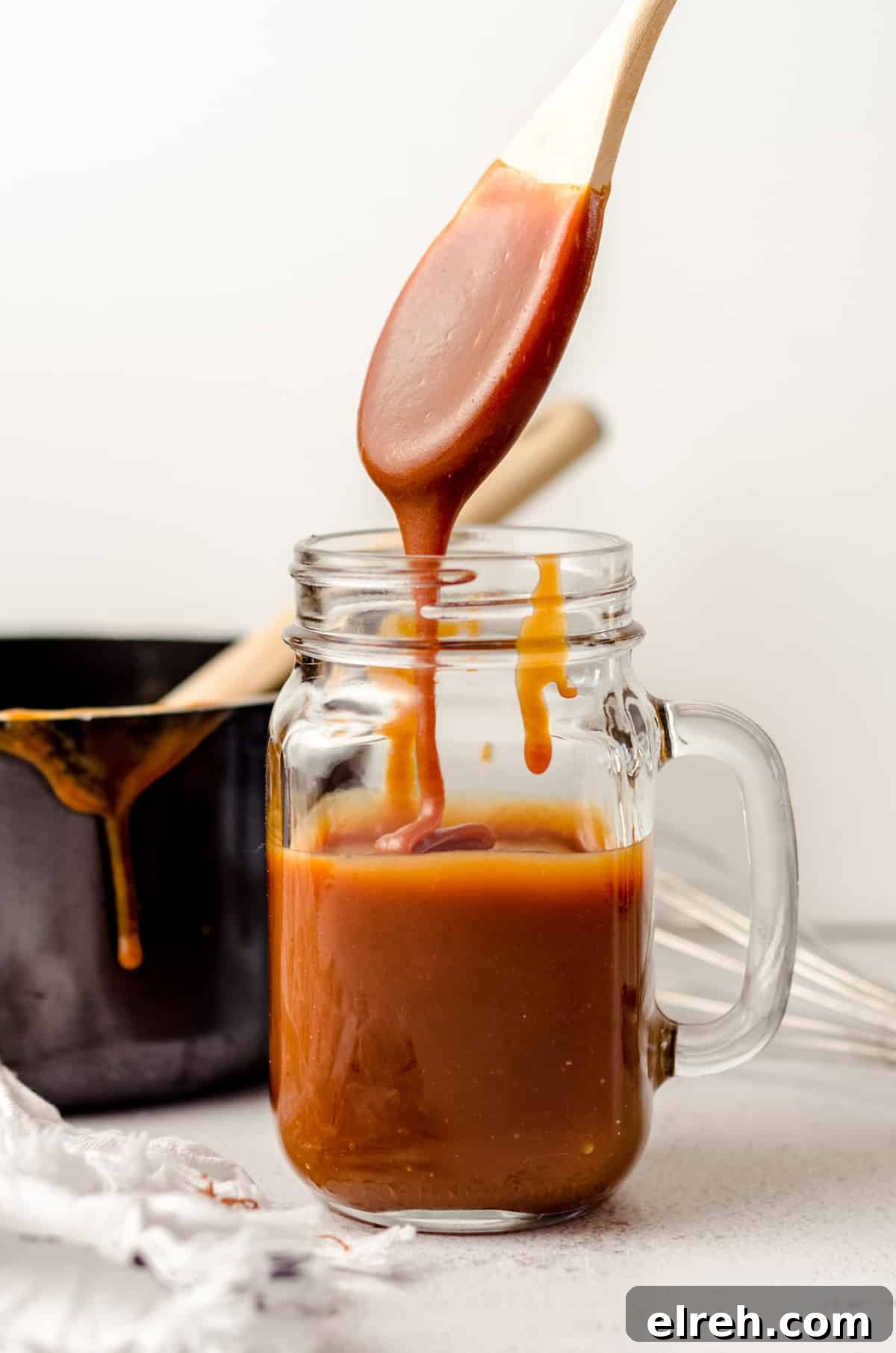
You only need four simple ingredients to make a rich, homemade salted caramel sauce. This recipe uses the wet caramel method — my reliable, easy technique for consistent results.
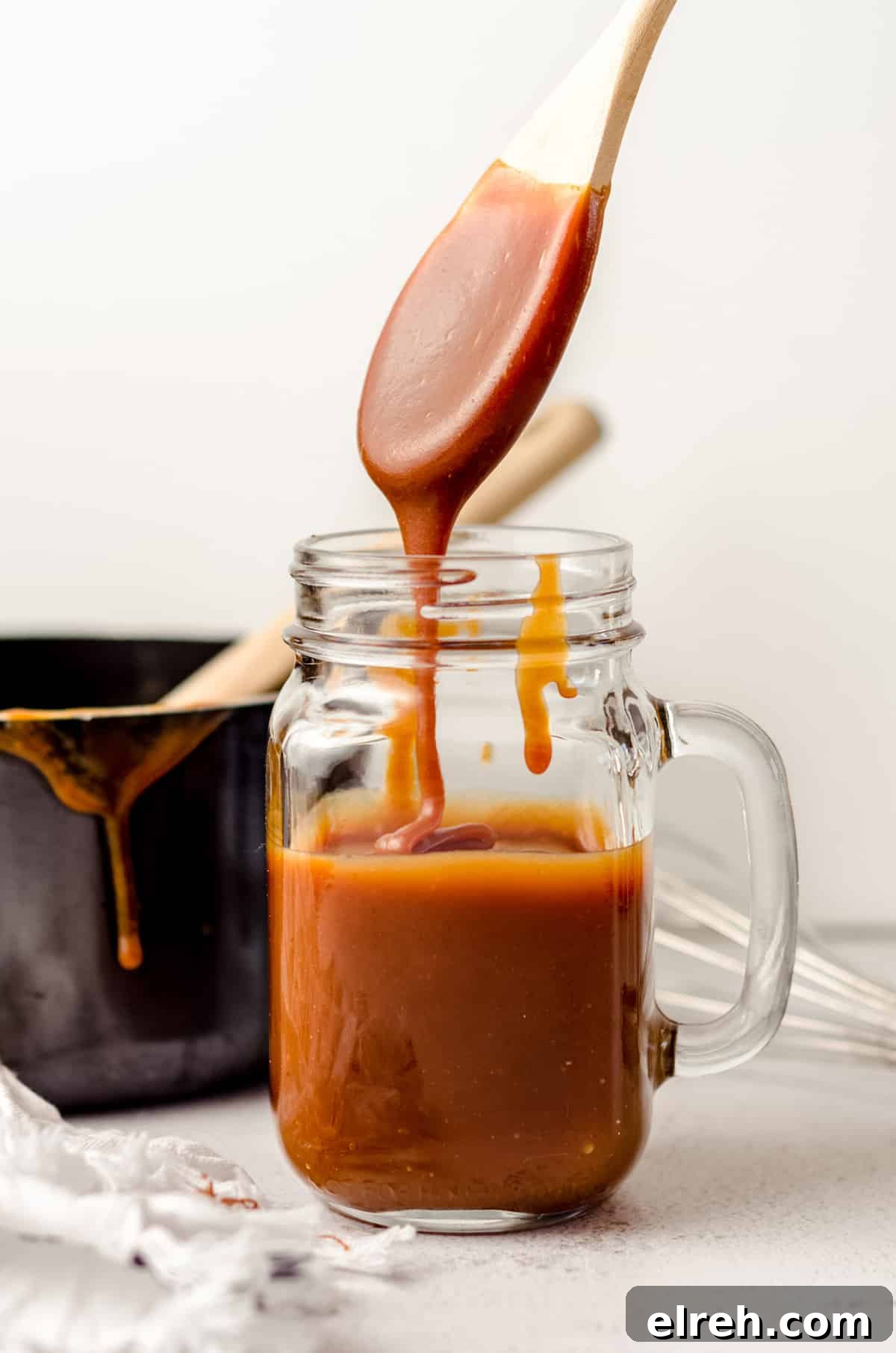
The first time I made salted caramel at home I was nervous, but once the sugar turned to amber and the butter and cream came together, I breathed out and never bought a store-bought jar again.
I know many people tell me they’ve had trouble with caramel recipes — that’s why I focus on simple, dependable methods. The wet caramel method is my favorite because it reduces the chance of graininess and gives you smooth, glossy sauce every time.
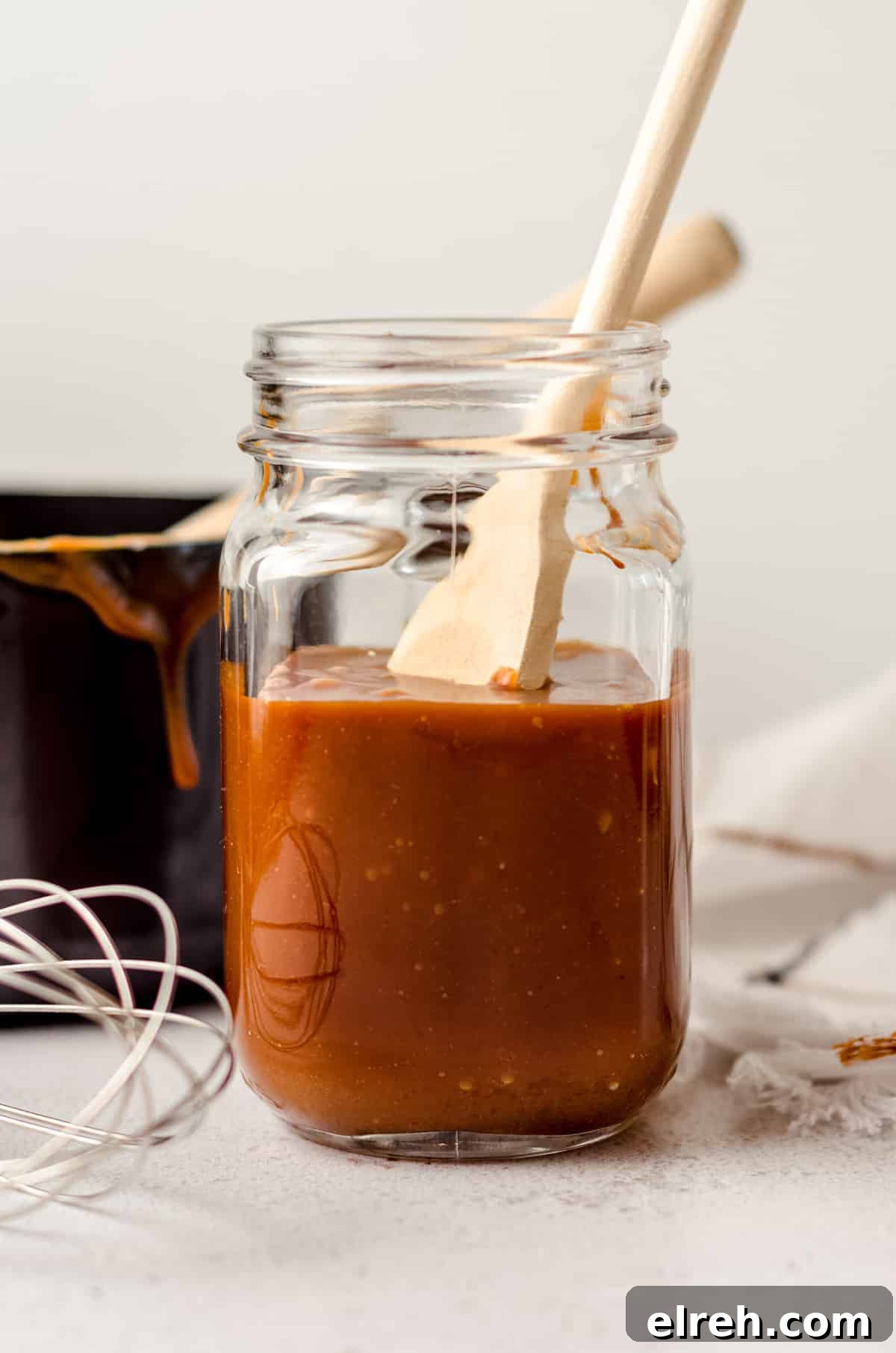
What is Caramel?
At its core, caramel is simply cooked sugar — sugar heated until it browns and develops deep, toasty flavors. The browning happens when the sugar reaches a specific temperature and transforms in color and flavor. Some people prefer a slightly darker, almost smoky caramel for extra depth; that’s a matter of personal taste.
Salted Caramel: Wet vs. Dry Method
When recipes mention the wet or dry method, they’re referring to how the sugar is cooked. The wet method starts by dissolving sugar in water, while the dry method heats sugar directly. The wet method gives you more control and lowers the risk of grainy or clumped sugar, which is why I recommend it, especially if you’re new to caramel-making.
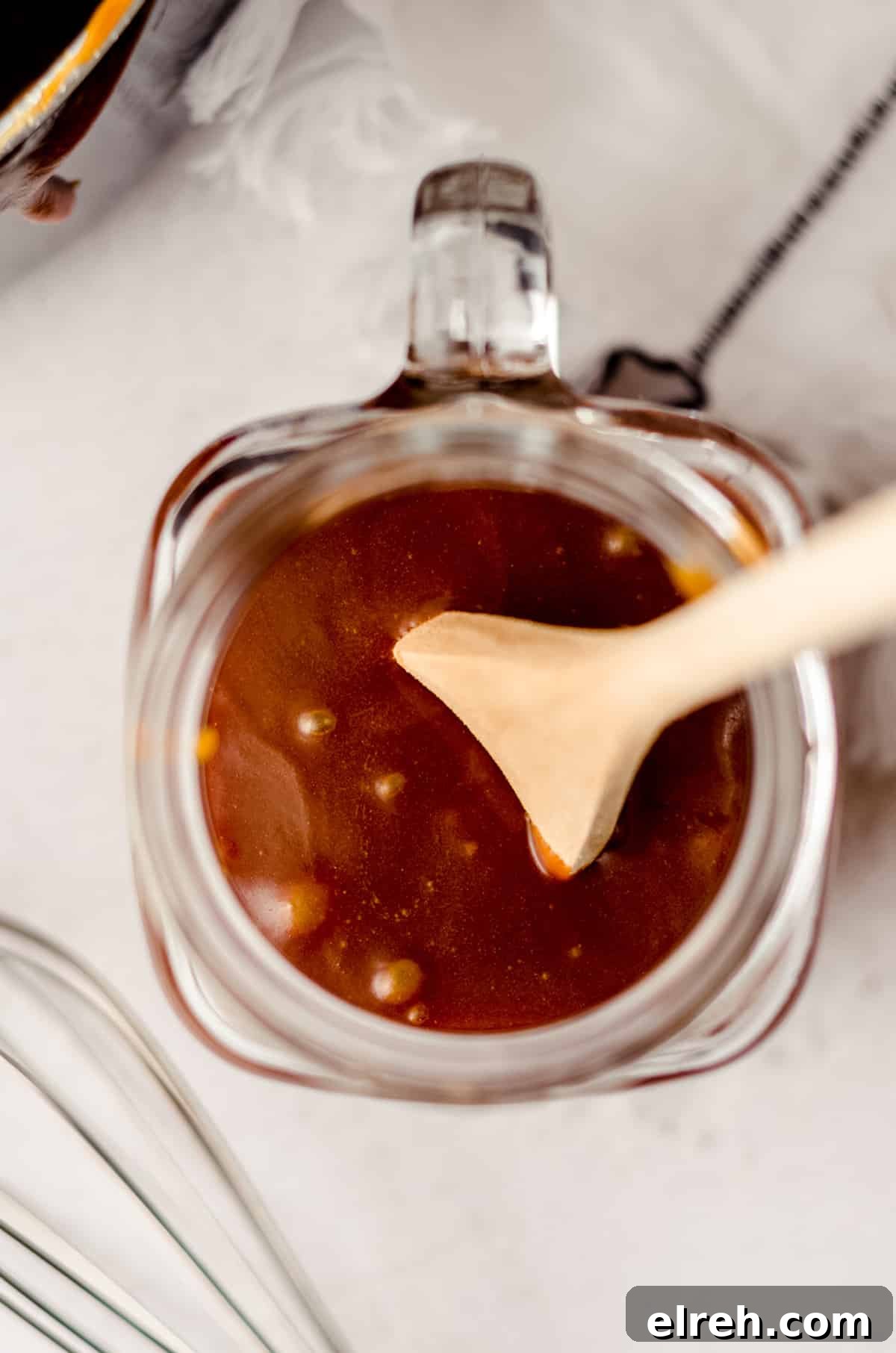
The wet method takes a bit longer because the water must evaporate before the sugar reaches the proper color, but the extra time is worth it for a consistently smooth sauce. I’ve included troubleshooting tips below to help you recover if anything goes wrong.
Why You’ll Love This Recipe
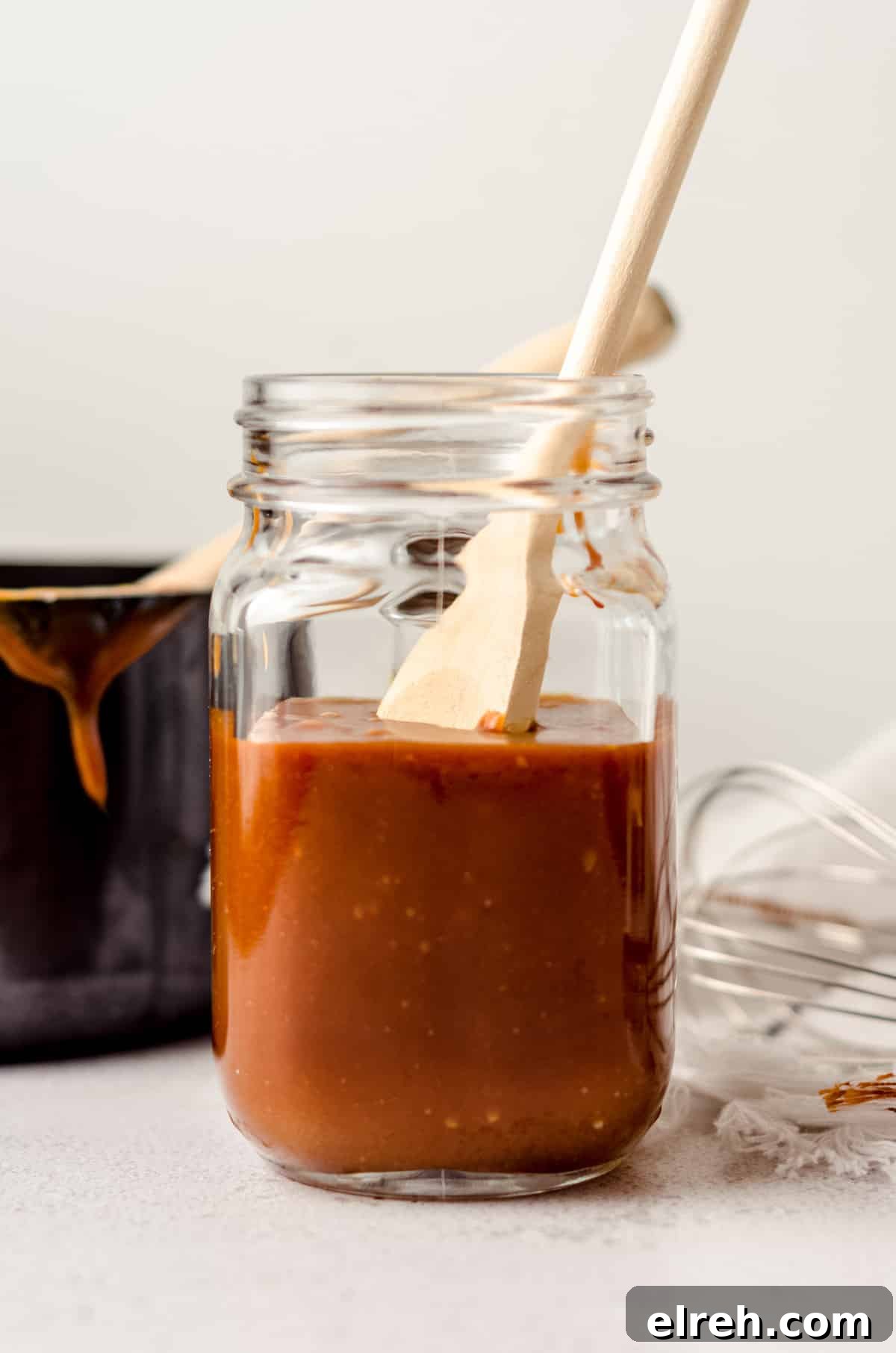
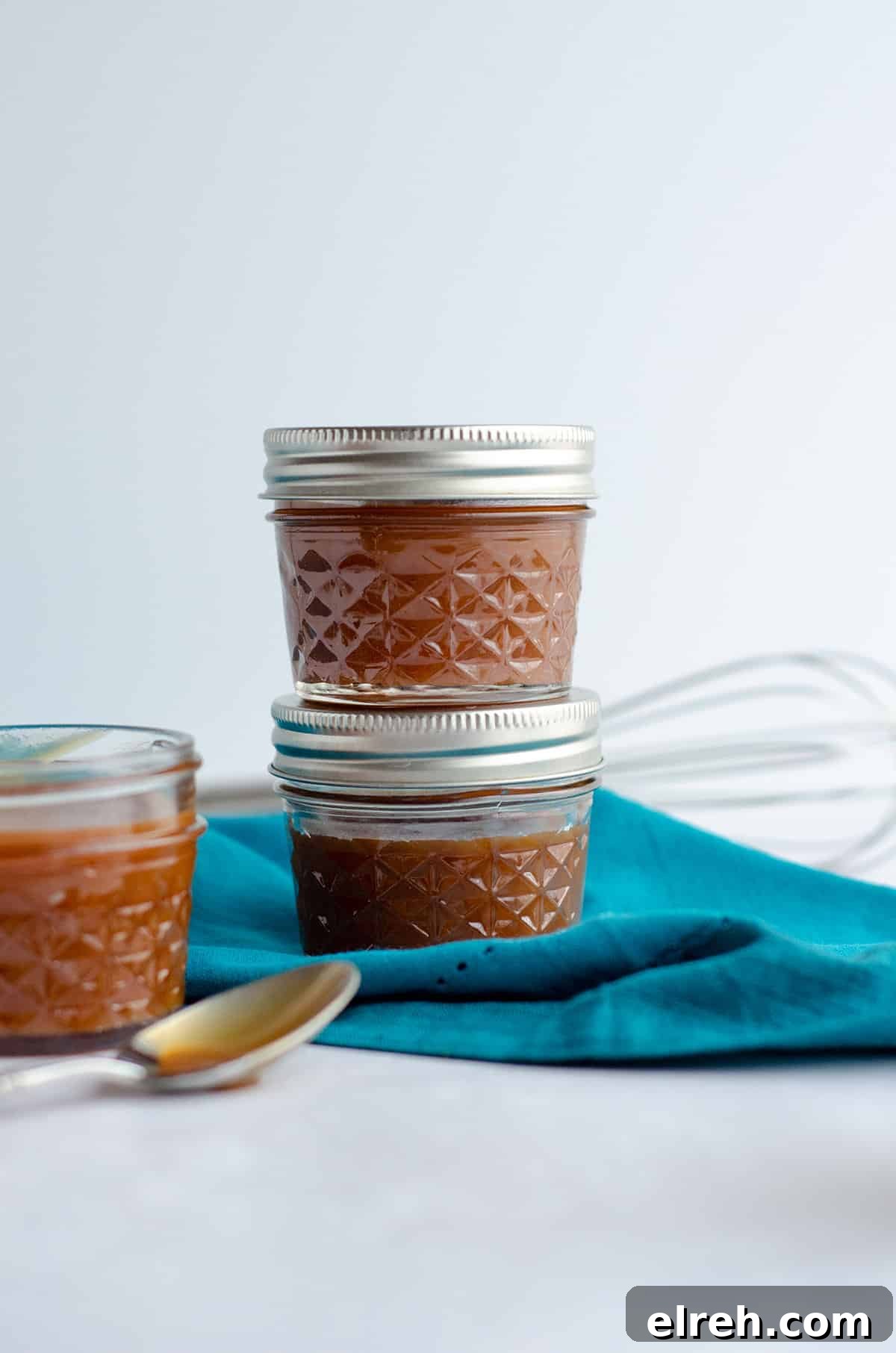
Homemade salted caramel is smooth, buttery, and full of flavor. It elevates everything from ice cream to baked goods and makes a thoughtful gift when jarred neatly. Stored properly, it keeps well in the refrigerator and can also be frozen.
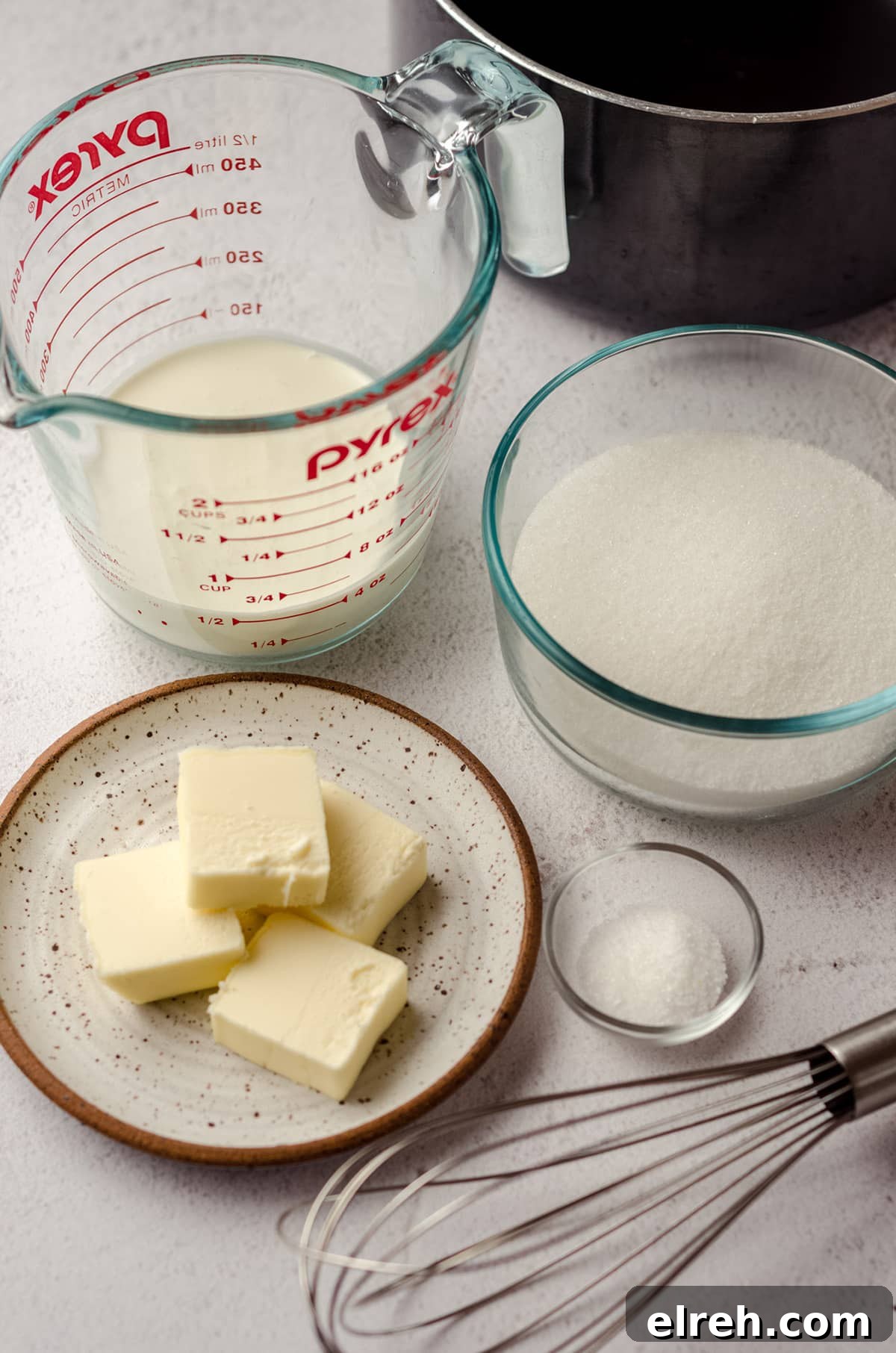
Ingredients
- Granulated sugar — 1 cup (200 g). I prefer granulated for this method.
- Water — 1/4 cup (60 mL) to dissolve the sugar as it heats.
- Butter — 1/4 cup (57 g), salted or unsalted, cut into pieces and at room temperature.
- Heavy whipping cream — 1/2 cup (120 mL), at room temperature; do not substitute milk or half-and-half.
- Sea salt — 1 teaspoon (adjust to taste; if using coarse salt start with less).
How to Make Salted Caramel Sauce
A few practical tips before you start: use a medium saucepan with a fairly wide base so the sugar cooks evenly, and choose a light-colored pan if you have one so you can watch the color change. Keep a wooden spoon or heatproof spatula handy for stirring, and a pastry brush dipped in water to smooth sugar crystals from the pan sides if needed.
Cook the Sugar
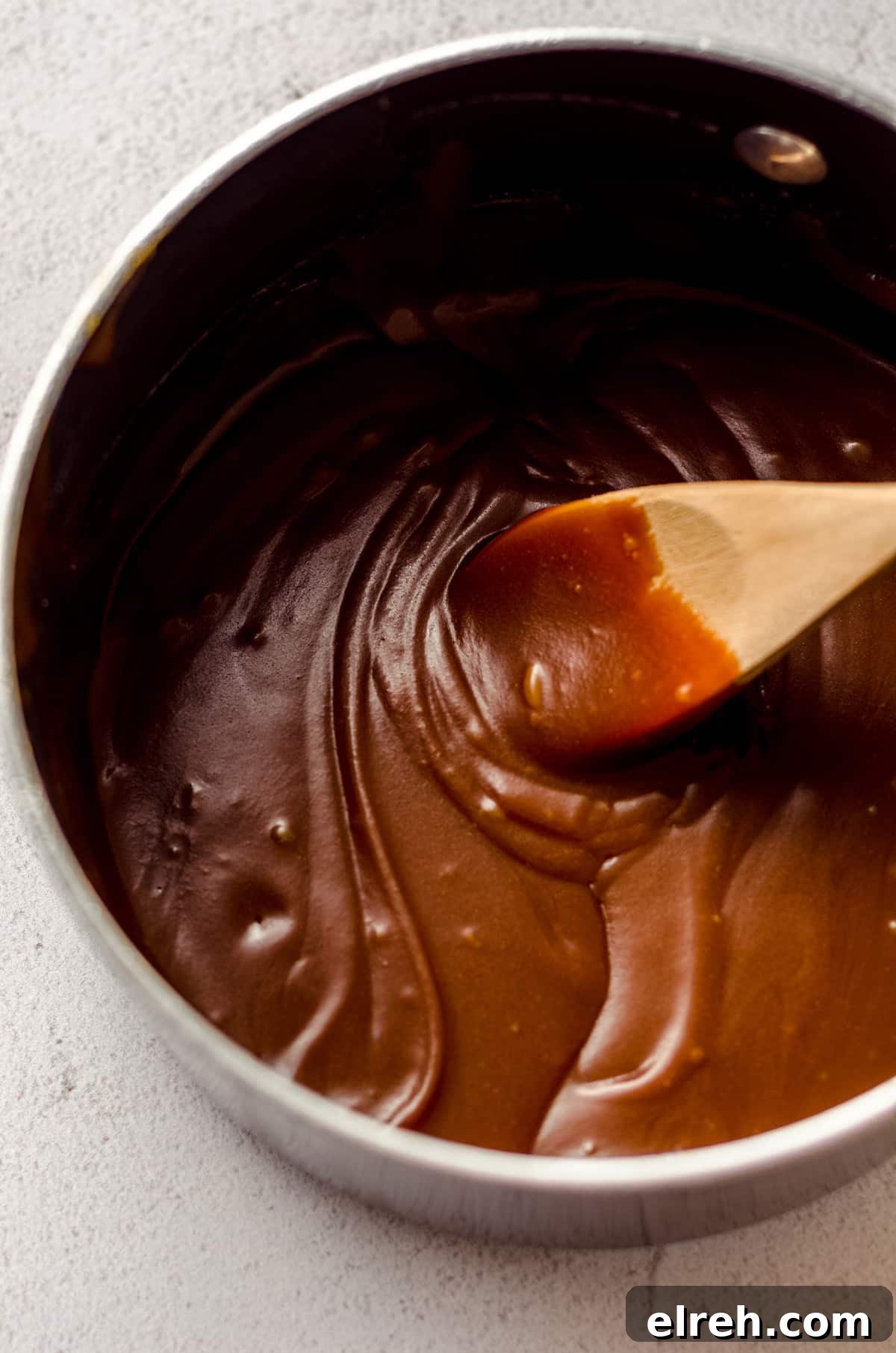
In a medium saucepan over low heat, combine the sugar and water. Stir gently and frequently until the sugar is fully dissolved and the mixture is clear. Raise the heat slightly to medium-low to bring the mixture to a low boil. As it cooks the color will progress from clear to champagne to light amber and finally dark amber — remove it from the heat at dark amber. If you like a slightly burnt flavor, you can cook a touch longer, but do so cautiously; it darkens quickly.
Add Butter and Cream
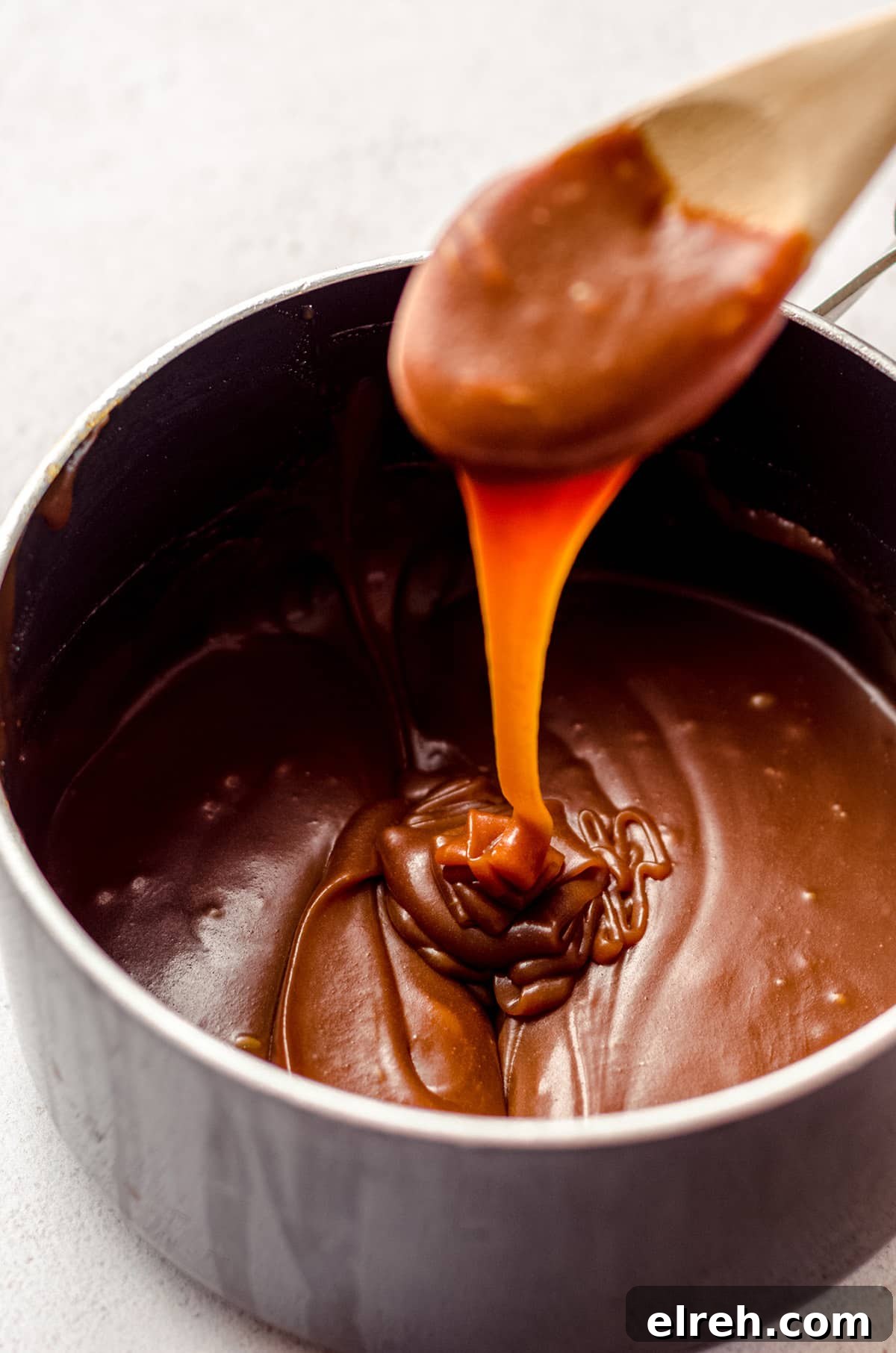
Remove the pan from heat and add the room-temperature butter, stirring quickly as it melts. Once the butter is incorporated, slowly drizzle in the room-temperature heavy cream while whisking or stirring constantly — the mixture will bubble vigorously but will smooth out. Finally, stir in the salt and taste carefully, adding more salt in small increments if desired. Let the sauce cool; it will thicken as it chills.
Troubleshooting
- Sugar crystallizes: Add a little water and reduce the heat so the crystals dissolve and the mixture smooths out.
- Sugar clumps or becomes dusty: Add a splash more water and lower the heat; stir gently until it dissolves.
- Sugar sticks to your spoon: Add a bit of water and lower the heat, or switch to a larger pan so the mixture cooks evenly.
- Need more sauce? Do not double this recipe in one pan — cooking sugar is delicate. Make multiple batches for larger quantities.
Storage
Store caramel in an airtight container in the refrigerator for up to one month. It will stay at room temperature safely for a day or two if it needs to travel. You can also freeze the sauce for up to three months; thaw in the refrigerator and warm before using.
Uses and Gift Ideas
Salted caramel is incredibly versatile: spoon it over ice cream, swirl it into cheesecake, drizzle on cupcakes, or use it in brownies, cookies, and breads. Jarred homemade caramel also makes a wonderful gift at the holidays — it’s a simple, thoughtful present that friends and family always appreciate.
Recipe: Quick Reference
- Prep time: 5 minutes
- Cook time: 15 minutes
- Total time: 20 minutes
- Yield: about 1 cup
Ingredients (compact)
- 1 cup (200 g) granulated sugar
- 1/4 cup (60 mL) water
- 1/4 cup (57 g) butter, room temperature, cut into pieces
- 1/2 cup (120 mL) heavy whipping cream, room temperature
- 1 teaspoon sea salt (adjust to taste)
Instructions (compact)
- Combine sugar and water in a medium saucepan over low heat. Stir gently until sugar dissolves and the mixture is clear. Increase heat to medium-low and bring to a low boil.
- Watch the color carefully. When the mixture reaches a dark amber, remove from heat.
- Stir in the butter until melted and combined.
- Slowly drizzle in the heavy cream while stirring; the sauce will bubble. Stir in salt and taste, adjusting if needed.
- Cool to thicken, then store in the refrigerator up to one month or freeze up to three months.
Notes
- Butter: salted or unsalted both work; no adjustment to recipe required.
- Cream: heavy or whipping cream is required; do not use milk.
- Salt: fine sea salt works well. If using coarse salt, start with less and add to taste. If you prefer less salt, reduce to 1/2 teaspoon.
- Do not double the recipe in one pan — caramelizing sugar is sensitive to volume and pan size.
Nutrition (approx.)
Serving: 1 cup — Calories: 1582 kcal; Carbohydrates: 203 g; Protein: 4 g; Fat: 90 g; Saturated Fat: 57 g; Sugar: 203 g; Sodium: 2727 mg. Values are approximate and will change with ingredient brands and measurements.