If you missed the Ancestral Health Society of New Zealand’s first international symposium in Queenstown, New Zealand, here are my top five takeaways from a transformative weekend. The event gathered researchers, clinicians, educators, and advocates from across ancestral health, movement, nutrition, psychology, ecology, and public policy, and it delivered fresh perspectives and practical ideas that I’m still unpacking.
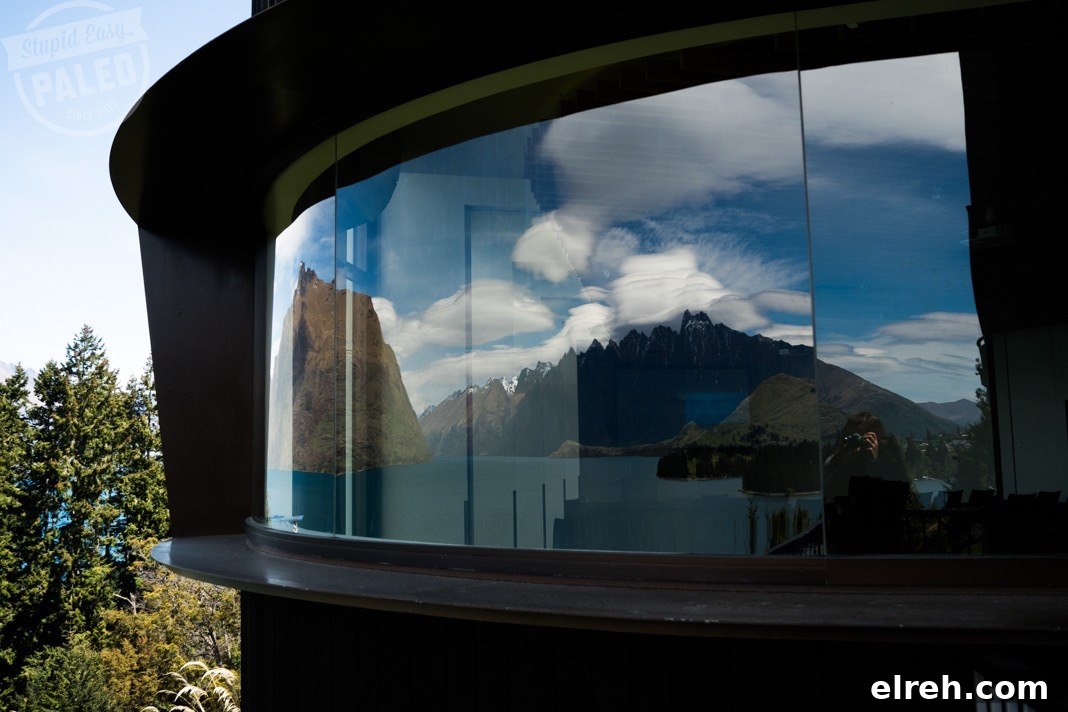
We arrived back in Christchurch after an epic tour of the South Island and stayed with friends Jamie and Anastasia. The landscapes we passed through were staggering, and they reinforced a recurring theme from the symposium: our health is deeply connected to the places we inhabit. I’ll share photos and more travel reflections in a follow-up post, but for now I want to focus on the ideas that stuck with me from the conference sessions.
Last year at AHS in Berkeley, Jamie and Anastasia mentioned they would be organizing an international symposium in New Zealand. My husband and I began tailoring our talks to fit this year’s theme, “Looking Back, Moving Forward.” He presented on strength training for everyday people, and I presented on the topic Beyond Toning. Both talks were shaped by the broader conversation at the symposium about practical, sustainable ways to support individual and community health.
The whole meeting was full of excellent presentations and thoughtful conversation. Sessions were recorded and made available to the public, which is a great resource for anyone who couldn’t attend in person. Rather than try to summarize every session, here are the five moments and themes that resonated with me most.
#1 The case for individual values
Brad Norris of Tracksuit Inc. opened the symposium with a clear, practical discussion about personal values and how they shape health behaviors. Too often people sign up for diet plans or fitness challenges that are structured in ways that conflict with their underlying values. When a plan doesn’t fit someone’s priorities or daily reality, dropout and frustration follow.
Brad’s talk reminded me that behavior change needs to be mapped to what individuals truly care about. That insight will influence how I incorporate values-based assessments into future programs and coaching, helping people choose paths that match their lives rather than forcing them into cookie-cutter solutions.
#2 Hormones, hormones, hormones
Lara Briden, ND, delivered a focused, evidence-informed presentation on barriers to hormonal health. Many readers struggle with conditions such as PCOS, menstrual irregularities, and infertility, and her talk addressed common contributors: endocrine disruptors, gut health and permeability, and chronic stress. Her practical framing made it clear that restoring hormonal vitality often requires attention to environment, diet, and stress management alongside clinical strategies.
#3 A renewed focus on food quality
Multiple presenters pushed back against a narrow, calorie- or macronutrient-only view of nutrition and instead emphasized food quality. David Raubenheimer and Ian Spreadbury were among the speakers who highlighted how the nutrient density and composition of foods influence appetite regulation and metabolic health.
In our community we sometimes default to trendy packaged alternatives—gluten-free flours, paleo snacks, and convenience bars—that are marketed as healthier but can be low in nutrients and high in hyperpalatable ingredients. These products can mislead people into thinking they’re making optimal choices when the bigger win is whole, minimally processed foods that deliver real nutrition and support long-term habits. I continue to advocate for better attention to food quality and sustainability, not just macros or labels.
#4 The wonderfully strange world of the microbiome
Dr. Emily Deans explored the complex links between the gut microbiome and the brain. Her talk dug into relationships between commensal organisms and mental health, and presented evidence that repairing and supporting gut function can have meaningful effects on mood and cognition. The microbiome’s influence is sometimes surprising and even unsettling, but the research underscores its central role in physical and mental wellbeing.
#5 Personal health tied to environment
One of the most moving talks came from Dr. Ihi Heke, a Maori health and physical activity consultant, who highlighted the depth of traditional ecological knowledge embedded in Maori hierarchies and lamented its absence from mainstream education and health systems. His presentation illustrated how losing cultural and environmental connections harms community health.
Although his examples were rooted in Maori culture, the message is universal: modern life often distances us from the natural world, and that disconnection has consequences. After traveling through New Zealand’s remarkable landscapes during the trip, I left with a renewed commitment to examine my own environmental impact and to advocate for health approaches that honor place and tradition.
Honorable mention: Strength training for normal humans
My husband’s presentation on strength training for everyday people was another highlight. He offered a clear, practical prescription for improving physical function and resilience in sedentary populations—simple, scalable guidance that can be applied in clinics, gyms, and homes. It was gratifying to see how receptive the audience was to pragmatic approaches that prioritize consistency and long-term progress over perfection.
There’s more to come: I’ll publish a second post with travel notes and photography from our South Island adventures. For now, these five themes capture the spirit of the symposium—evidence-informed, values-centered, and deeply connected to both culture and place.