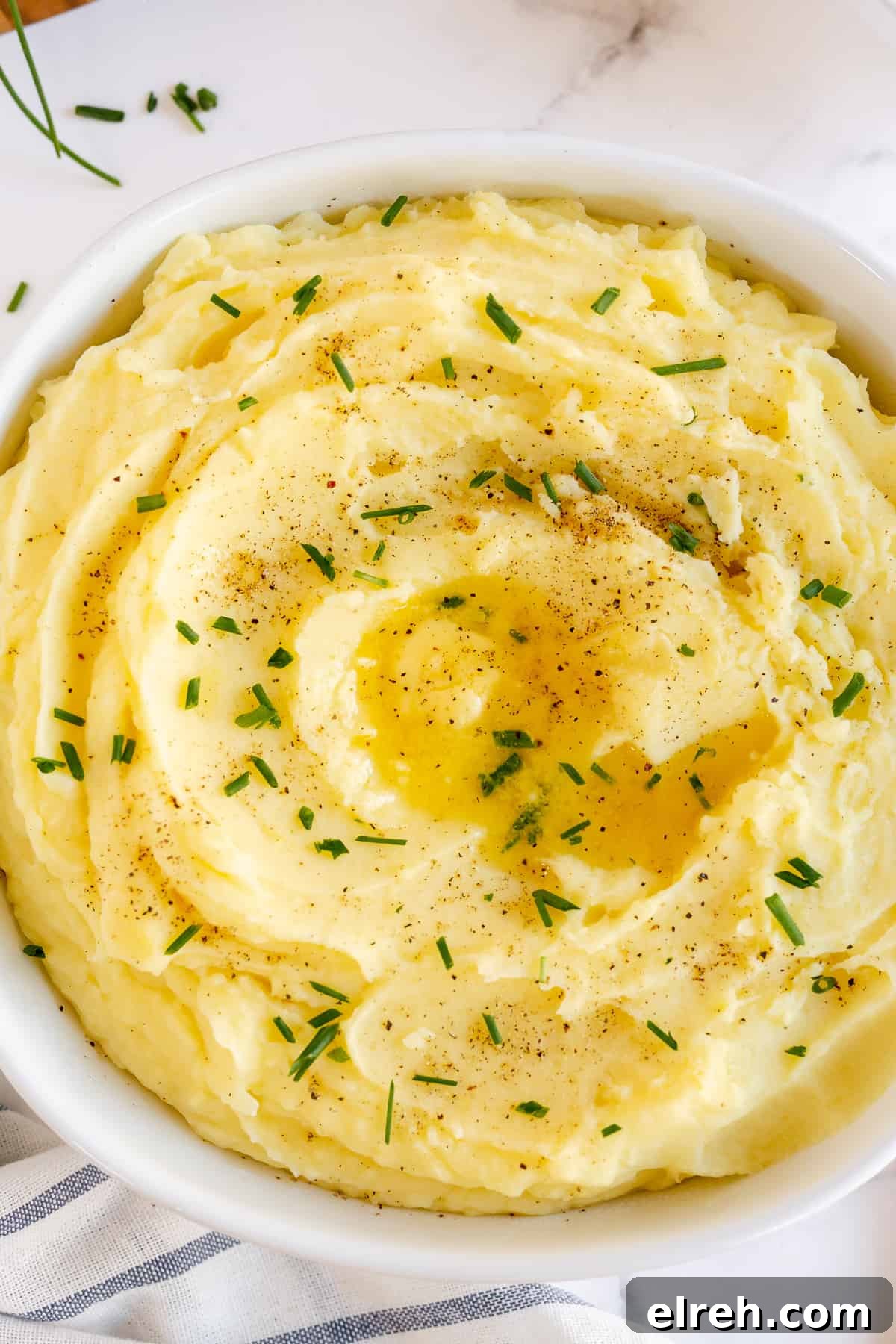
Yukon Gold potatoes and buttermilk come together to make rich, creamy Buttermilk Mashed Potatoes that are perfect for holiday meals or any weeknight dinner. These mashed potatoes are especially good when you want something with a bit more depth and tang than the usual milk-and-butter version. Swap regular milk for buttermilk and you’ll notice extra creaminess and a subtle tang that complements roasted meats and savory gravies.
I make these mashed potatoes year-round, particularly when I have buttermilk to use up. They pair beautifully with roast beef, turkey meatloaf with a glaze, or skillet-braised pork chops—any main that benefits from a silky, flavorful side.
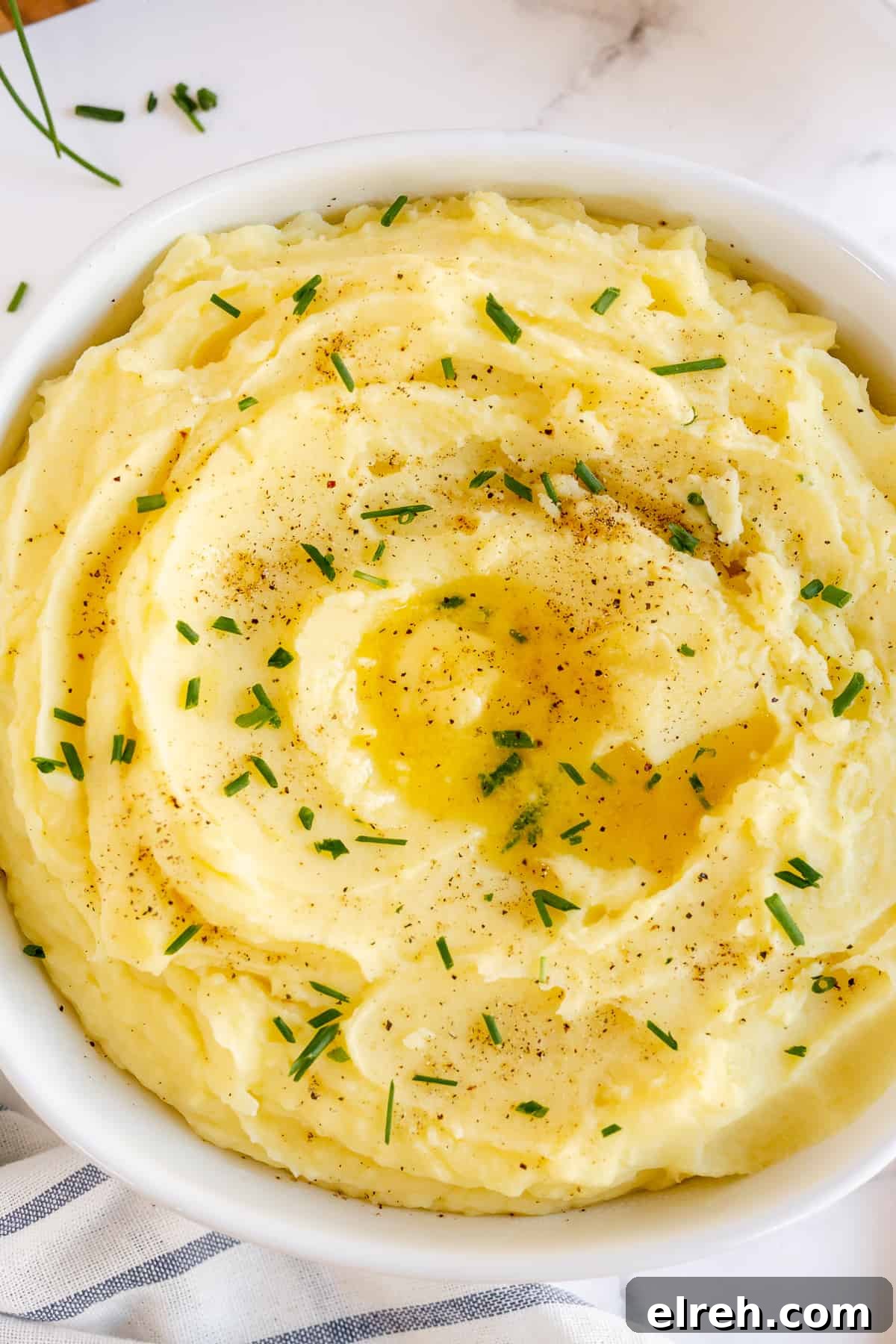
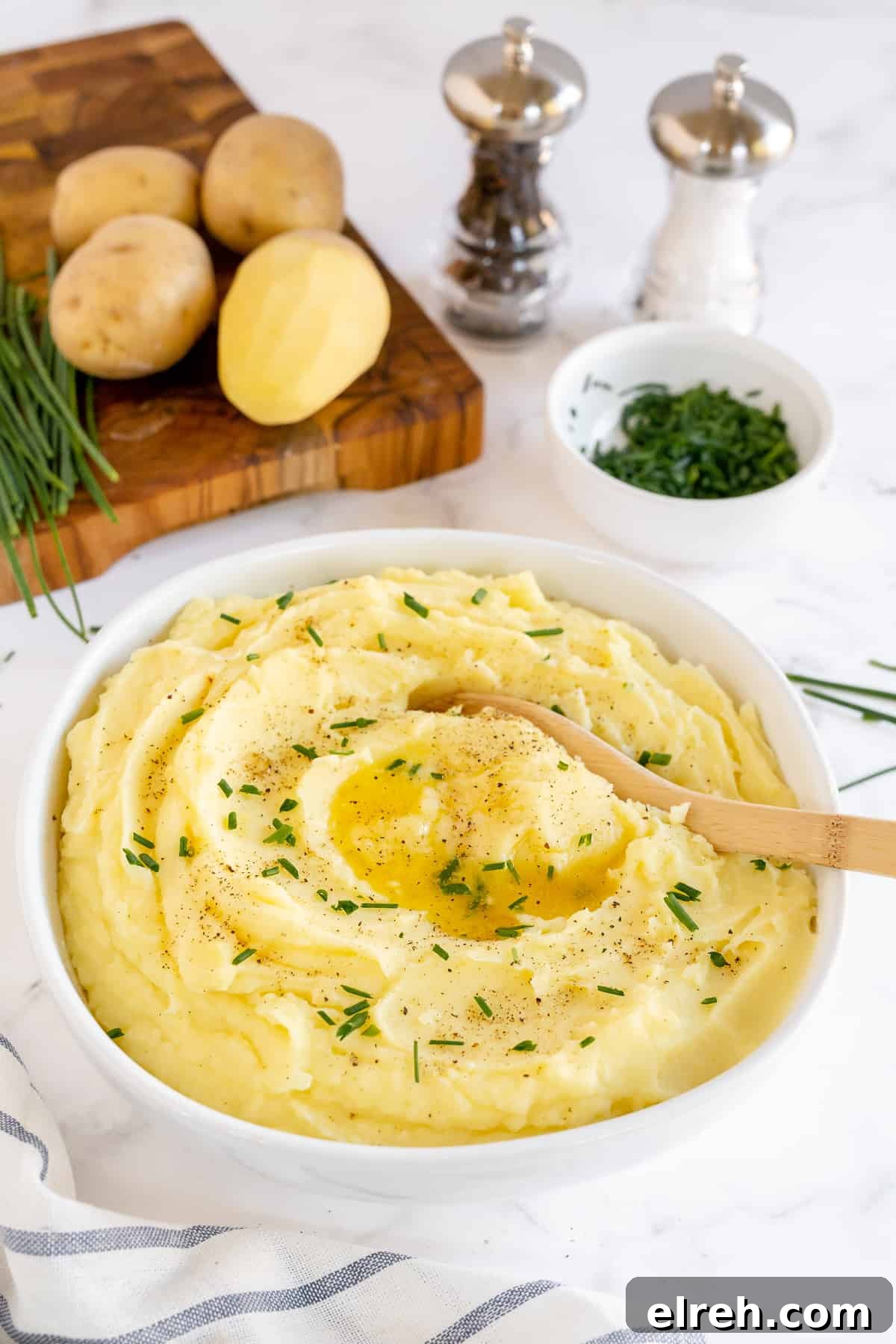
If mashed potatoes are on your Thanksgiving menu, consider making Buttermilk Mashed Potatoes. Using buttermilk instead of regular milk, cooking the potatoes in a bit of broth, and warming the buttermilk before adding it are small adjustments that produce a noticeably better texture and flavor. The result is a luscious side that complements turkey and gravy perfectly.
Table of contents
- Ingredient Notes
- How to Make Buttermilk Mashed Potatoes
- FAQ and Tips
- The Best Way to Reheat Mashed Potatoes
Ingredient Notes
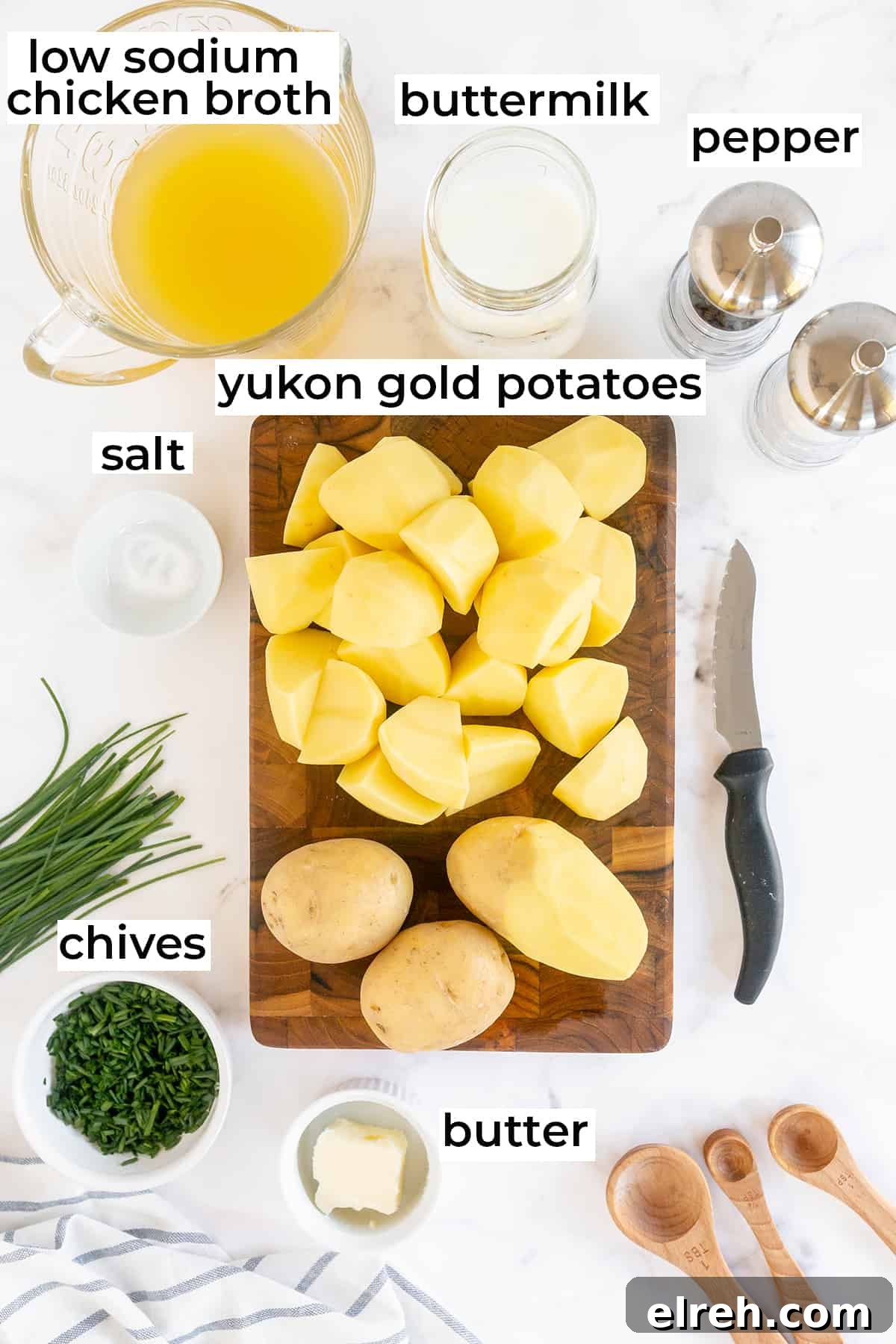
- Yukon Gold potatoes: These are thin-skinned potatoes with a naturally creamy, buttery texture that makes them ideal for mashed potatoes. Choose larger tubers to simplify peeling and cut them into even pieces so they cook uniformly.
- Low-sodium chicken broth: Cooking potatoes in a combination of broth and water infuses them with subtle savory flavor and reduces the need for extra salt later.
- Buttermilk: Slightly thicker and tangier than regular milk, buttermilk adds creaminess and a pleasant tang. Reduced-fat buttermilk works well if you want to limit added fat without sacrificing texture.
- Butter: Use room-temperature pats of butter rather than melted butter for better texture and gloss.
- Fresh chives and black pepper: Optional garnishes that add color and bright flavor.
How to Make Buttermilk Mashed Potatoes
Below is a concise overview of the method. Full ingredient amounts and step-by-step instructions appear in the recipe card further down.
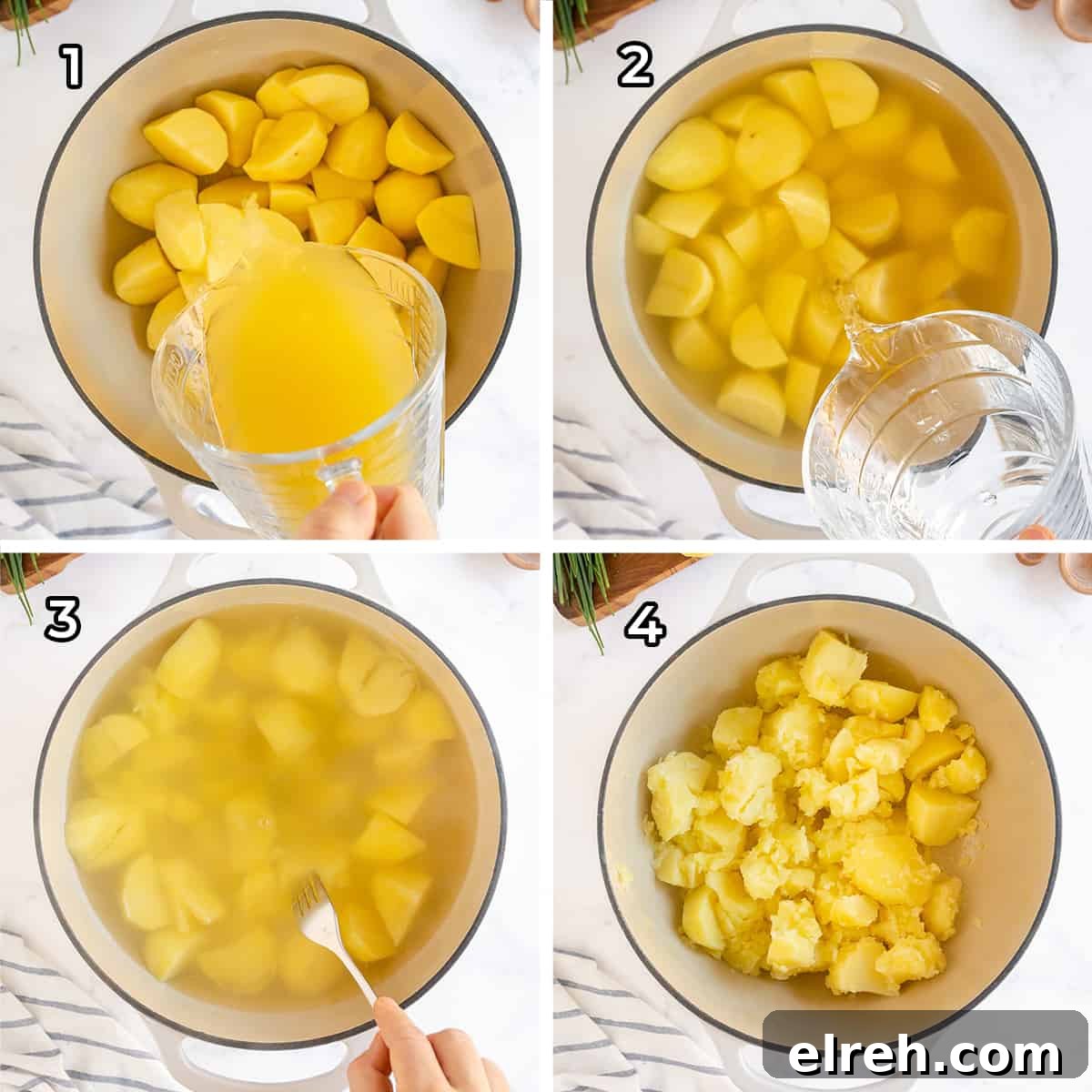
- Place peeled, quartered potatoes in a large pot or Dutch oven. Add 2 cups of low-sodium chicken broth and enough water to cover the potatoes by 1–2 inches.
- Bring to a boil over high heat, then reduce the heat, cover, and simmer until the potatoes are very tender when pierced, about 20–25 minutes.
- Drain the potatoes well and return them to the warm, empty pot set over low heat. Toss gently for a minute or two to evaporate any excess surface moisture—this helps prevent watery mashed potatoes.
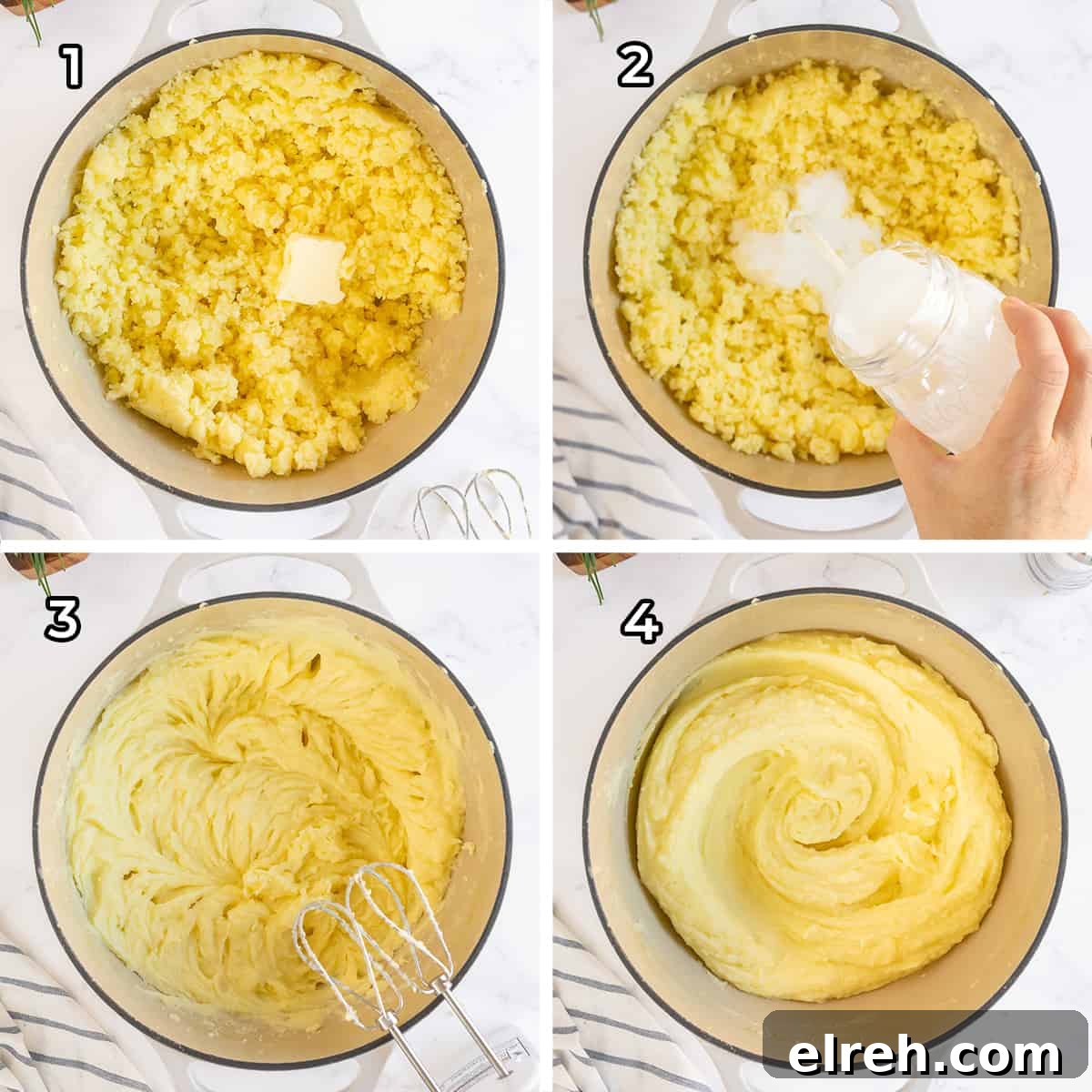
- Add room-temperature pats of butter, then pour in slightly warmed buttermilk in two additions. Use a hand mixer on low to break up the potatoes, then increase to medium while you finish combining until the texture is creamy and smooth. Take care not to overmix to avoid a gummy texture.
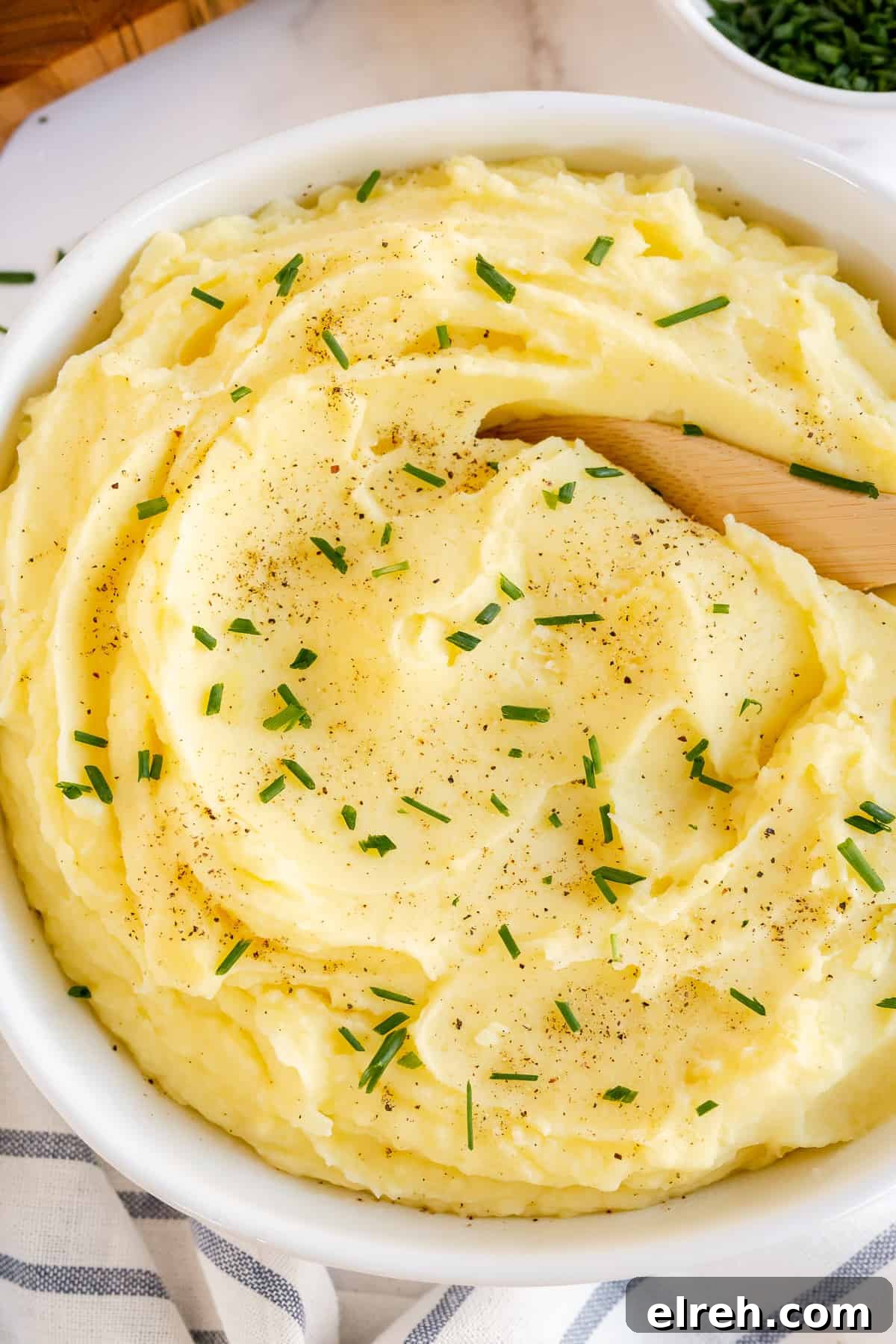
- Taste and adjust salt as needed, then transfer to a serving dish. Garnish with chopped fresh chives and freshly ground black pepper if desired.
FAQ and Valerie’s Tips
Yukon Gold potatoes are my top pick. They have a slightly waxy, naturally creamy texture that yields smooth, flavorful mashed potatoes. Hold off on using starchy russets for mashed potatoes unless you prefer a very fluffy result—Yukon Golds strike the best balance.
Buttermilk adds richness and creaminess because it’s thicker than regular milk. It also contributes a mild tang that brightens the flavor. You can adjust the amount to reach your preferred consistency; reduced-fat buttermilk provides these benefits with less added fat.
Cold dairy chills the potatoes and slows absorption, which leads to more mixing and a risk of gummy texture. Gently warming the buttermilk allows it to absorb quickly so you can mix less and still achieve a creamy, smooth result. Heat it over low heat just until warm—do not let it boil to avoid separation.
For best texture, serve them shortly after making. If you must prepare them early, keep them warm for up to an hour in a bowl set over a pot of simmering water. If refrigerated, you can reheat and refresh their creaminess by stirring in a little warm buttermilk and a bit of butter before serving.
Butter lovers can add an extra pat or two on top of the warm potatoes to melt into glossy, rich pools—simple and indulgent.
The Best Way to Reheat Mashed Potatoes
Leftover mashed potatoes often lose creaminess when chilled. Reheat carefully to restore a smooth, appealing texture.
- Oven method: Place mashed potatoes in a covered baking dish and bake at 350°F until warmed through. Stir in a little warmed buttermilk and dot with butter before baking to help recreate creaminess.
- Microwave method: Reheat in a covered dish at half power in short intervals, stirring between bursts. Add a splash of warm buttermilk and a pat of butter if needed to bring back richness.
Sign up for the free newsletter for the latest recipes and follow on social channels for more cooking inspiration.
Buttermilk Mashed Potatoes
Servings: 8
Prep Time: 20 mins
Cook Time: 25 mins
Total Time: 45 mins
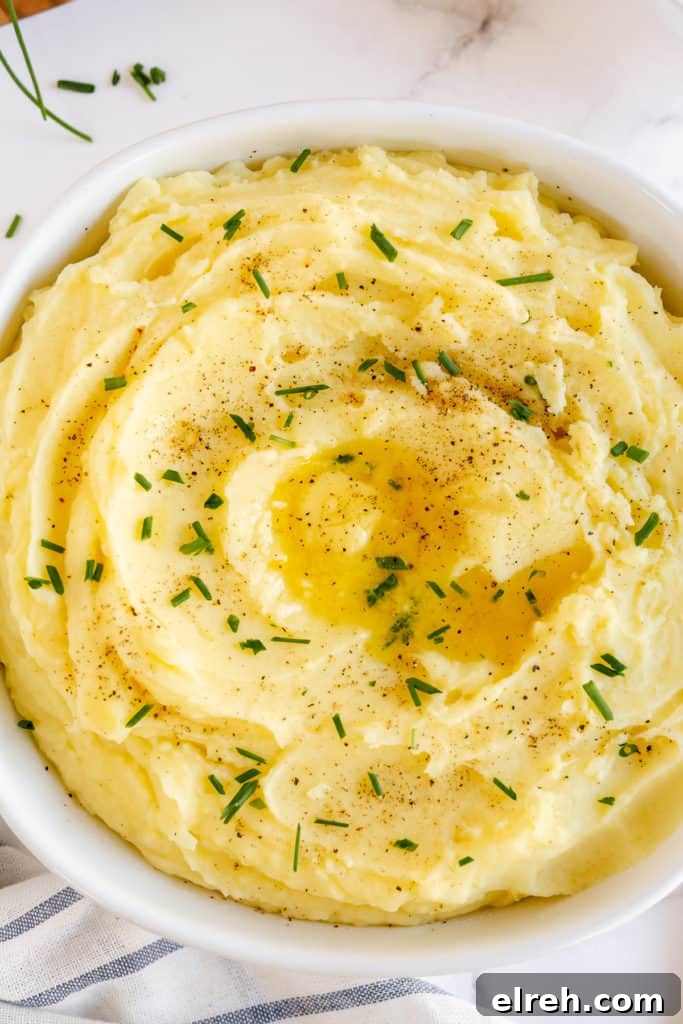
Yukon Gold potatoes and buttermilk create rich, creamy mashed potatoes that work well for holiday dinners or any meal where you want a comforting, flavorful side dish.
Ingredients
- 3 pounds Yukon Gold potatoes, peeled and quartered
- 2 cups low-sodium chicken broth, plus enough water to cover potatoes by 1–2 inches
- 4 tablespoons butter, room temperature, or to taste
- 1 cup 1.5% reduced-fat buttermilk, slightly warmed
- ½ teaspoon salt, or to taste
- Chopped fresh chives and freshly ground black pepper for garnish (optional)
Instructions
- Place the peeled and quartered potatoes in a large pot or Dutch oven. Add the chicken broth and enough water to cover the potatoes by about 1–2 inches. Bring to a boil over high heat.
- Reduce heat, cover, and simmer for 20–25 minutes or until the potatoes are very tender when pierced. Drain thoroughly.
- Warm the buttermilk gently over low heat or in short intervals in the microwave until just warm. Do not boil.
- Return the drained potatoes to the warm, empty pot and set over low heat. Toss or shake the pot for a minute or two to evaporate residual moisture. Remove from heat.
- Use an electric hand mixer on low to start breaking up the potatoes. Add the butter, about half the warmed buttermilk, and the salt. Increase to medium speed and add the remaining buttermilk as you mix until creamy. Avoid overmixing to prevent a gummy texture. Taste and adjust salt if needed.
- Serve immediately, garnished with chopped chives and freshly ground black pepper if desired.
Notes
The Best Potatoes: Yukon Golds are ideal for mashed potatoes because of their creamy texture. Save russets for baking or frying.
Timing: For best results, serve shortly after making. If ready early, keep warm up to an hour over a pot of low-simmering water. Stir in a little warm buttermilk if needed to refresh the texture.
Reheating: Reheat gently in a covered baking dish at 350°F, stirring in warmed buttermilk and adding butter to restore creaminess. Microwaving is possible at half power in short bursts, stirring between intervals.
Nutrition (per 0.75 cup)
Calories: 72 kcal | Carbohydrates: 2 g | Protein: 2 g | Fat: 6 g | Saturated Fat: 4 g | Cholesterol: 16 mg | Sodium: 245 mg | Potassium: 96 mg | Sugar: 2 g | Vitamin A: 189 IU | Vitamin C: 1 mg | Calcium: 39 mg | Iron: 1 mg
Nutrition information is an estimate based on generic ingredients and may vary. Refer to product labels for precise values.
If you enjoyed this recipe, please leave a rating and comment to share your results and tips.