Growing Quinoa in a Zone 2b/3 Prairie Garden
This spring I decided to try growing quinoa in my Zone 2b/3 prairie garden. From what I read, the essentials were in our favor: a long growing season (roughly 90 to 120 days), plenty of sun, cool nights, and infrequent stretches over 30°C—conditions that help quinoa set seed properly.
I bought Brightest Brilliant Rainbow quinoa seed from Heritage Harvest Seed. The name sounded exotic and hopeful, so I direct-seeded two small packets (about 200 seeds total) in late May, picturing a large test plot and imagining a generous harvest—after all, a healthy quinoa plant can produce a significant amount of seed under ideal conditions.
Reality, however, was humbling. Two hundred seeds did not translate to two hundred plants. In my case, only three seedlings survived to maturity. Quinoa germinates well under good conditions—often around a 70% germination rate—but my patch suffered losses to flea beetles and cutworms early on. Then, in a distracted weeding session, I mistook young quinoa for lamb’s quarters and accidentally removed one of the last plants. That costly mistake came from treating lamb’s quarters as a familiar garden weed; the two seedlings do look very similar at first.
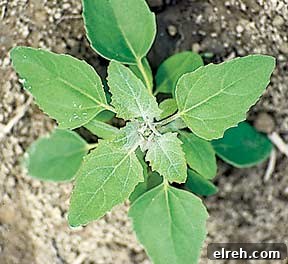
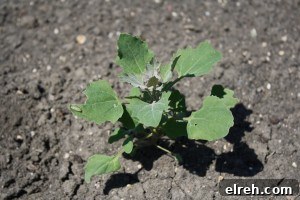
Once I stopped aggressive weeding and the remaining plants established themselves, they grew quickly. Within weeks the small seedlings developed into tall, vigorous plants with striking seed heads.
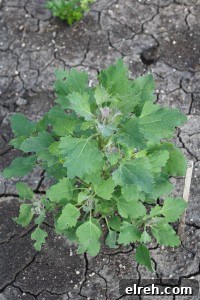
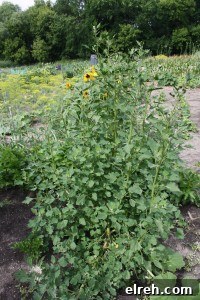
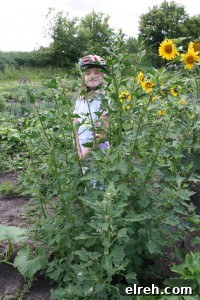
To give some scale, here’s a photo with Melanie, who is about 4′ 11″. The quinoa was already shoulder- to head-height by late July and continued to grow taller through the summer.
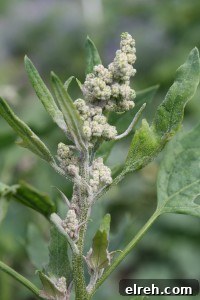
By early August the plants developed dense, colorful seed heads that caught the light. Some quinoa varieties can reach 7 to 8 feet under ideal conditions, so I now understand how dramatic a plot of many plants would look.
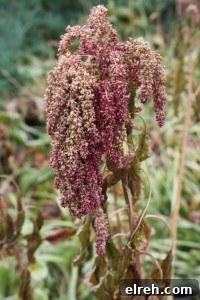
Harvest time for quinoa in this climate should arrive around mid-September, when leaves drop and the seed dries on the plant. Quinoa tolerates light frost, so I won’t need to provide frost protection in most years. After cutting the seed heads, I’ll dry them, winnow to separate chaff, and rinse the grains multiple times to remove saponins—the naturally bitter, soapy coating that protects the seeds. Proper rinsing is important for good flavor.
Growing your own quinoa isn’t the most practical or efficient way to obtain the grain. It’s labor-intensive and can be unpredictable in small home plots. But the experience is rewarding: watching the plants grow, learning about their pests and needs, and getting a clear sense of where the final product comes from adds appreciation for the crop.
When it comes to cooking quinoa, there are plenty of recipe resources and cookbooks that cover savory and sweet preparations. If you enjoy experimenting in the kitchen, homegrown quinoa offers a satisfying farm-to-table feel.
Years ago I attempted a similar experiment with popping amaranth; that project taught me a lot about small-grain crops and container growing. Both trials reinforced that growing seeds like quinoa and amaranth is a fun challenge that rewards curiosity and patience.
Bottom line: growing quinoa in a Zone 2b/3 prairie garden is entirely possible, but expect surprises. Manage pests early, be cautious when weeding, and plan for a hands-on harvest that includes drying, winnowing, and thorough rinsing to remove saponins. Even a small yield can be a satisfying reward for the effort.