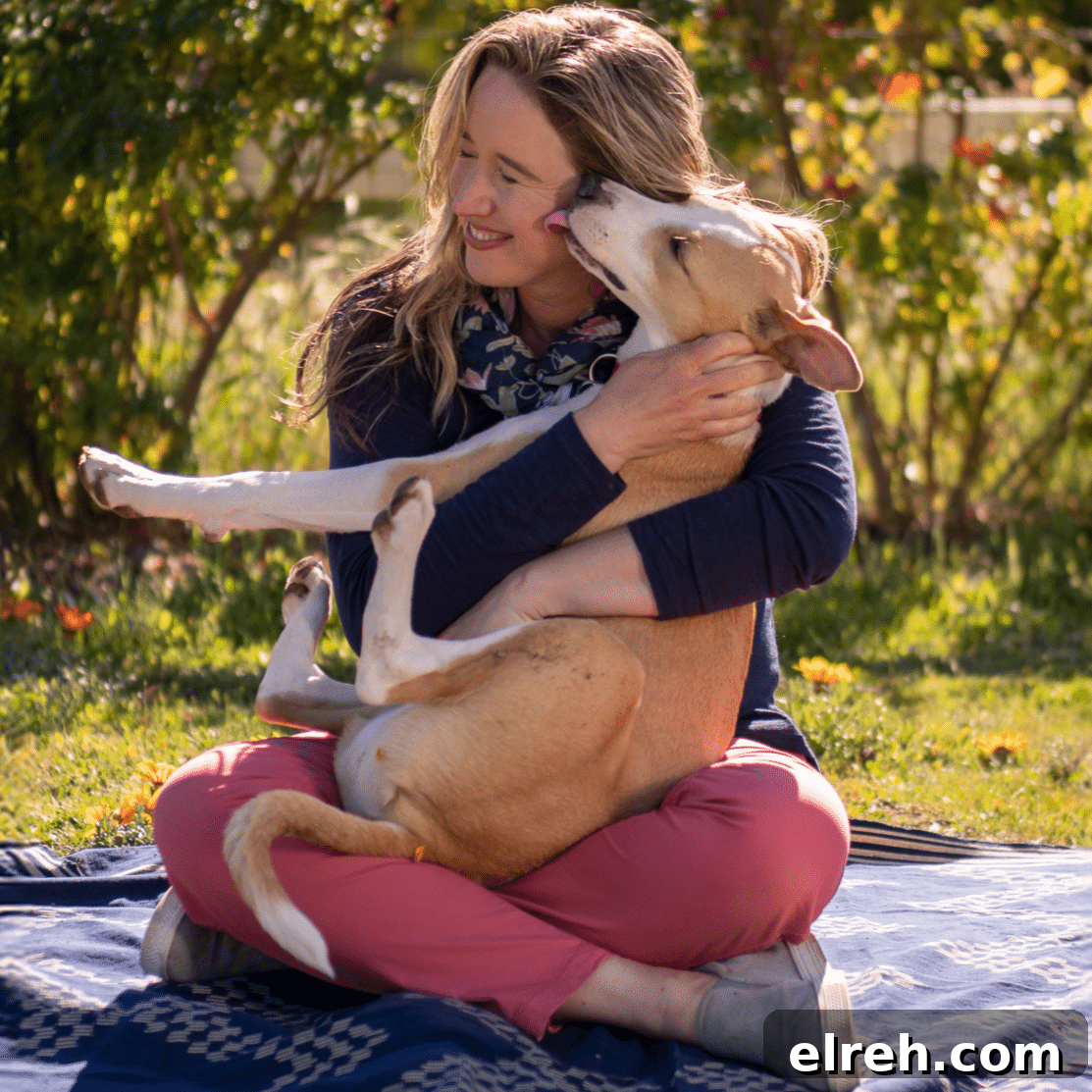
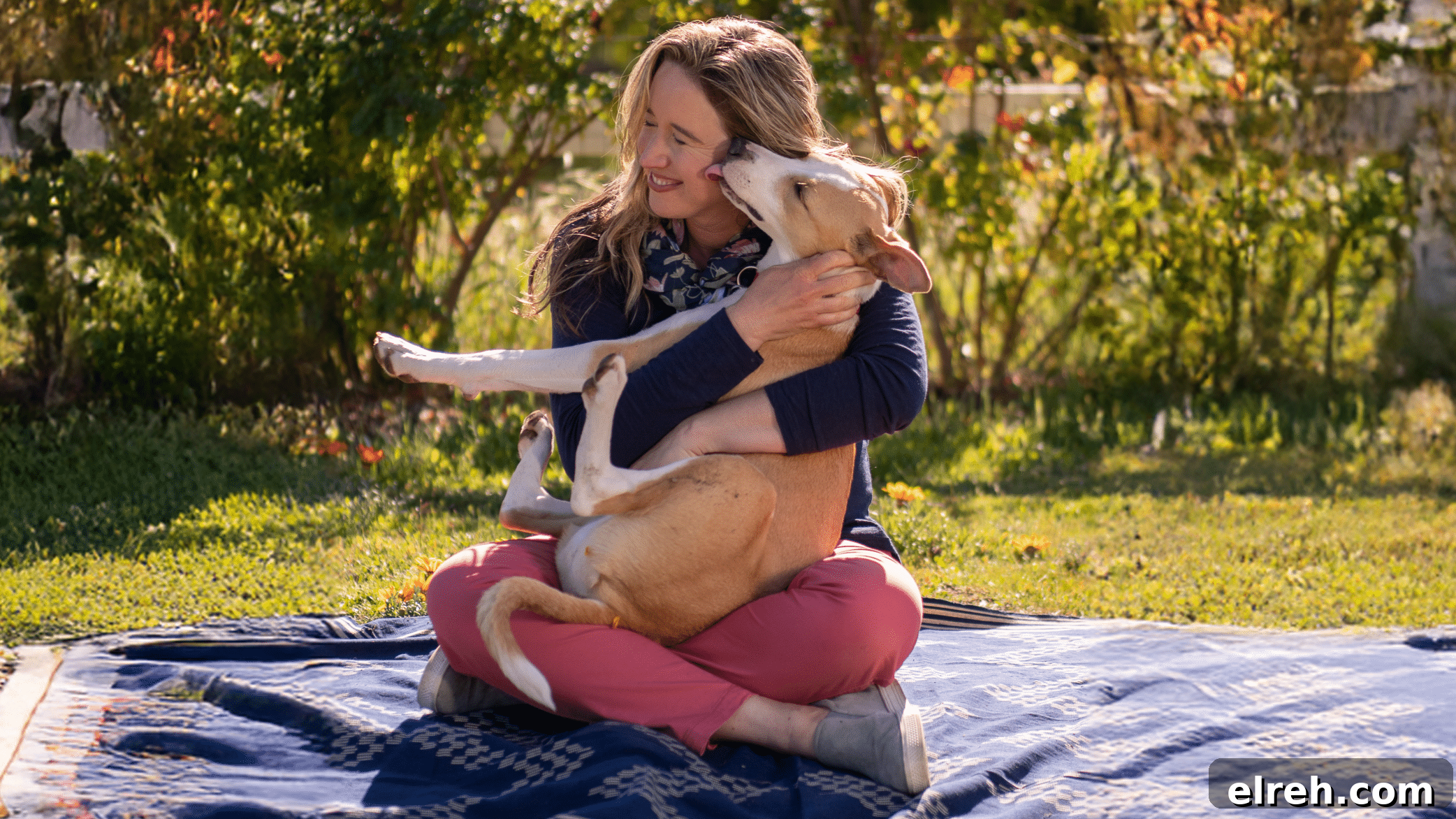
For years I’ve shared tips on cleaning and caring for pets and their belongings. My household has grown from a single quirky dog to five rescue animals: two dogs (Sadie and Layla) and three cats (Ollie, Ginny, and Mookie). They keep me company while I work from home and have taught me a lot about handling mud, stains, hair, and everything in between. I’ve learned practical, gentle methods for bathing, wiping, and cleaning that I’ll share here, along with my favorite DIY solutions.
This guide covers pet washing, DIY pet wipes, cleaning gear and spaces, handling accidents, dealing with pet hair, glass cleaning, and a homemade no-chew spray. For deeper information on specific topics I link to related articles throughout.
Table of contents:
- Introduction to My Furry Housemates
- Washing Pets with Dr. Bronner’s
- Using & Making GIY Pet Wipes
- FAQs for Bathing Pets with Dr. Bronner’s
- Washing Pet Gear with Dr. Bronner’s
- Cleaning Up After Pee, Poop, and Puke
- Dealing with Pet Hair
- Glass Cleaning
- GIY “No Chew” Spray
Let me introduce you to my furry housemates
Sharing who lives here helps explain why I write about pet care. Each animal has different needs and habits, and living with a mixed pack has given me lots of hands-on experience.
Tucker’s gotcha story
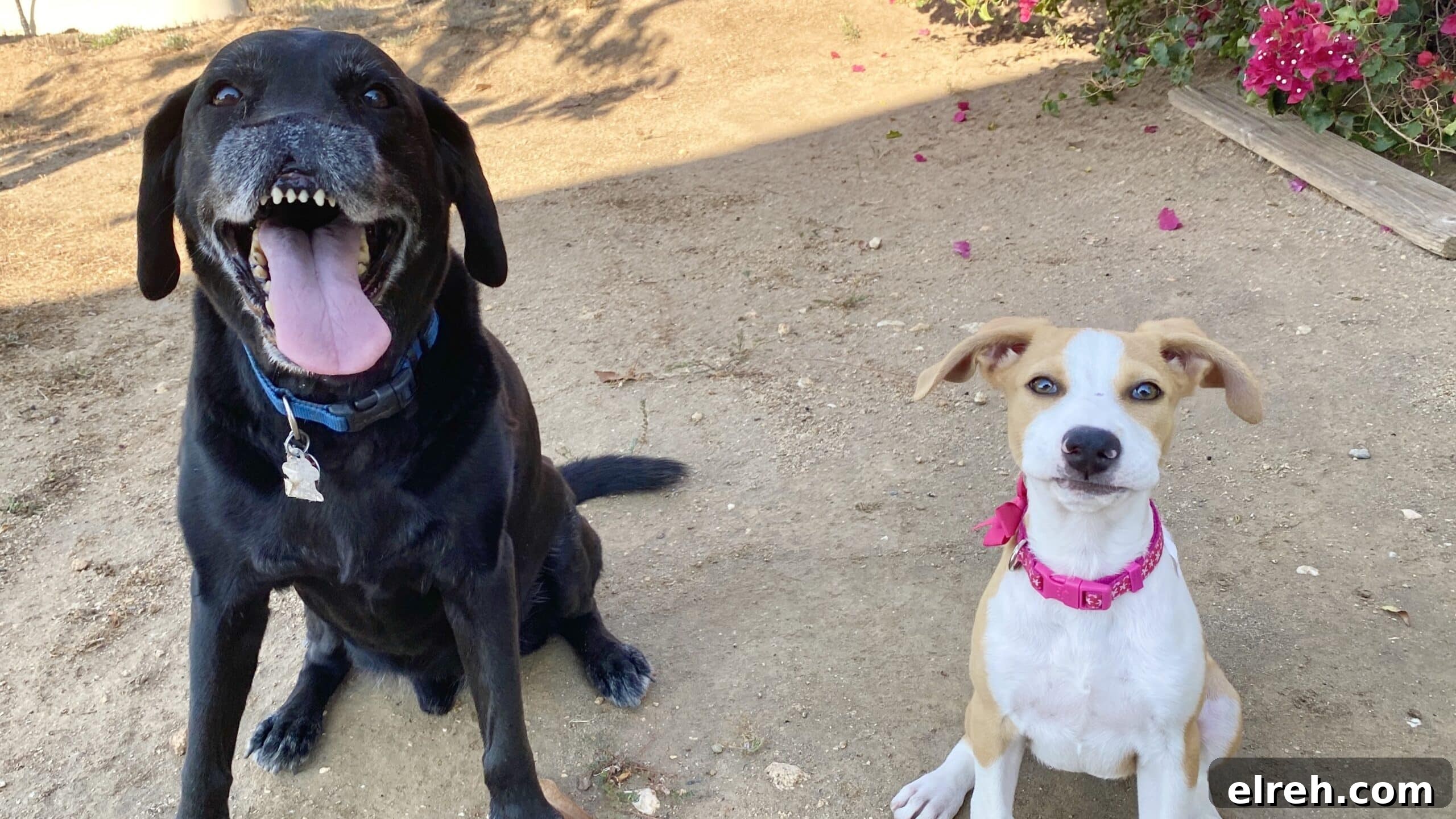
Tucker, a gentle black Labrador, joined the family after the first dog proved a poor match for a busy household. He loved to be near us and stayed upbeat through a small nasal carcinoma the vet removed when he was eight. Later, when he began to slow, we brought a playful puppy into the home so he’d have company—sadly, Tucker has since crossed the rainbow bridge, but he taught us a lot about bathing and handling larger dogs.
Sadie’s gotcha story
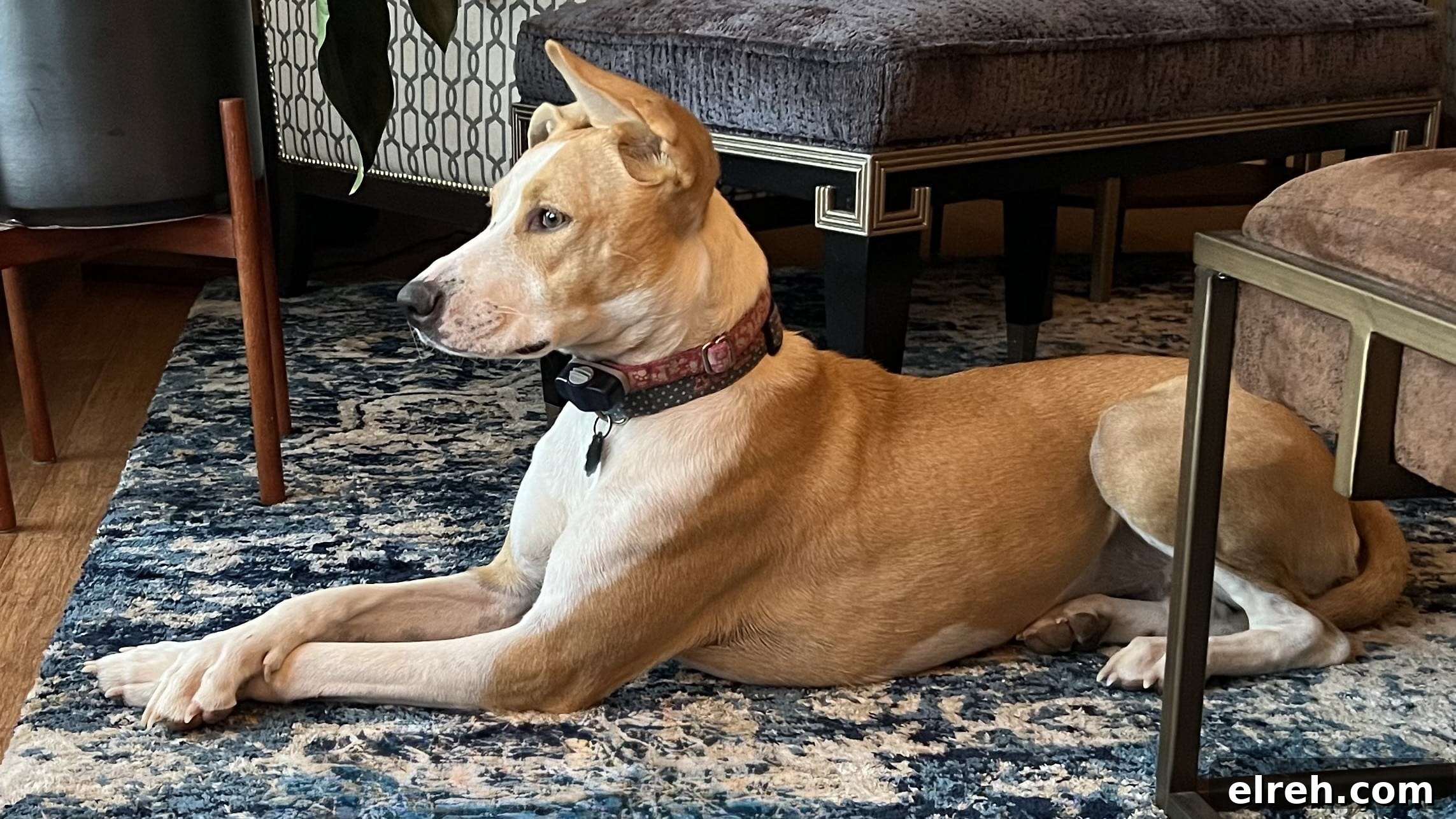
Sadie arrived from a rescue after living rough in a junkyard. Underfed and resilient, she survived by eating almost anything she could find—snails, paper, you name it. She grew into a vocal, sassy companion with one ear that eventually stood up. She’s a rule follower at bedtime and a reluctant early riser.
Layla’s gotcha story
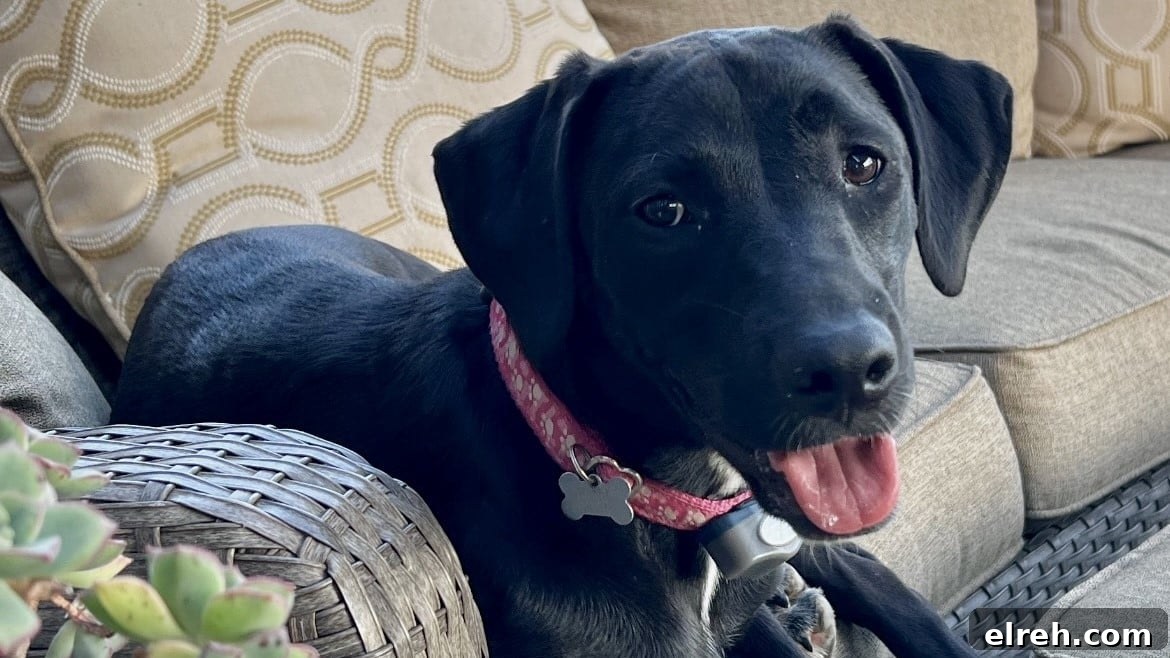
When Tucker passed away, Sadie needed a friend. We let her choose a companion at a local rescue and Layla was the clear pick. Rescued from a difficult situation in the desert, Layla is shy with strangers but deeply bonded with Sadie. She’s still young and learning.
Ollie & Ginny’s gotcha story
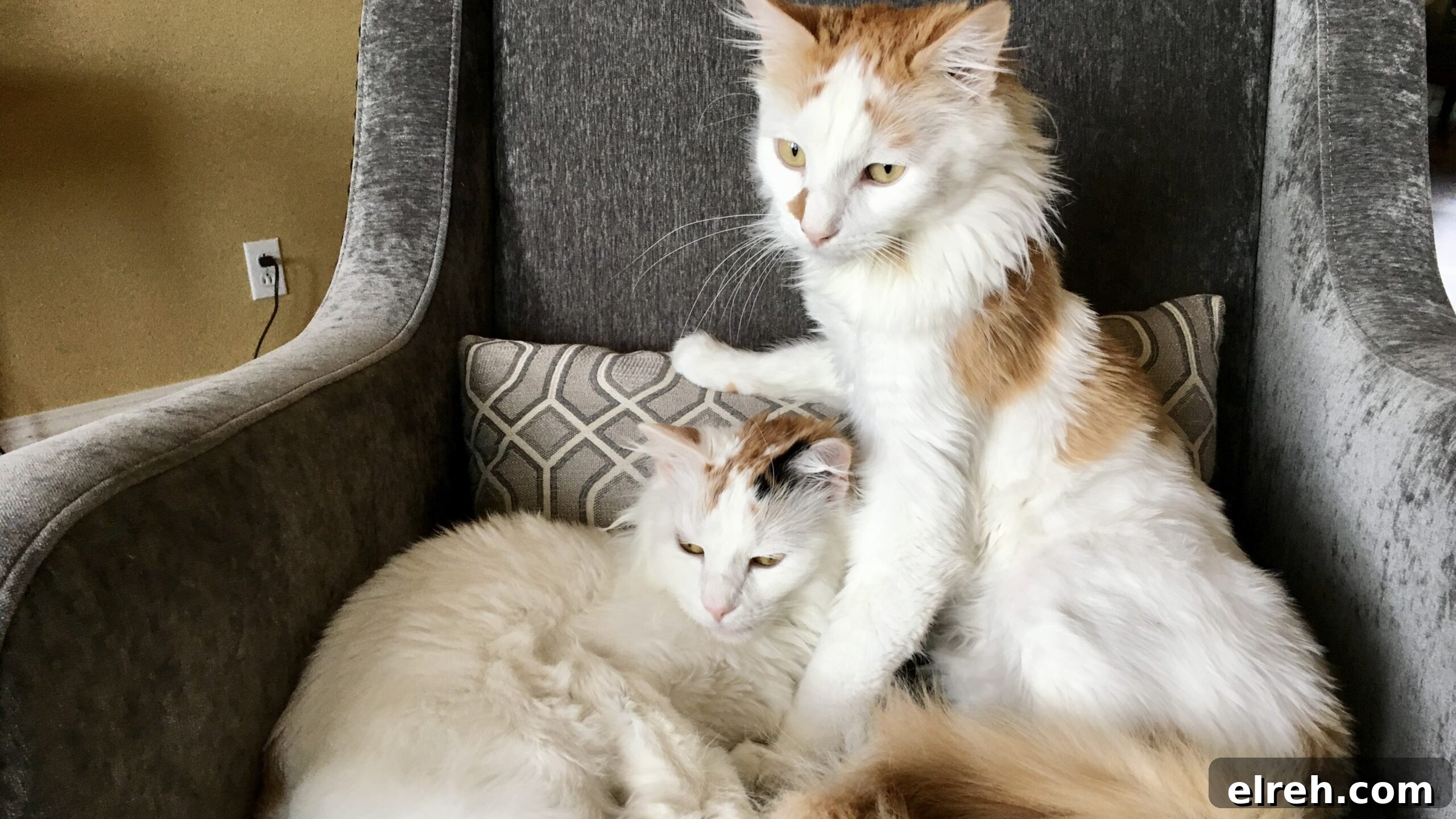
We wanted a bonded pair of indoor cats and found Ollie and Ginny at the Humane Society. Named after characters in James Herriot’s stories, they settled into the house quickly. Ginny—often called Pookie—is shy but assertive with her brother when needed.
Mookie’s gotcha story
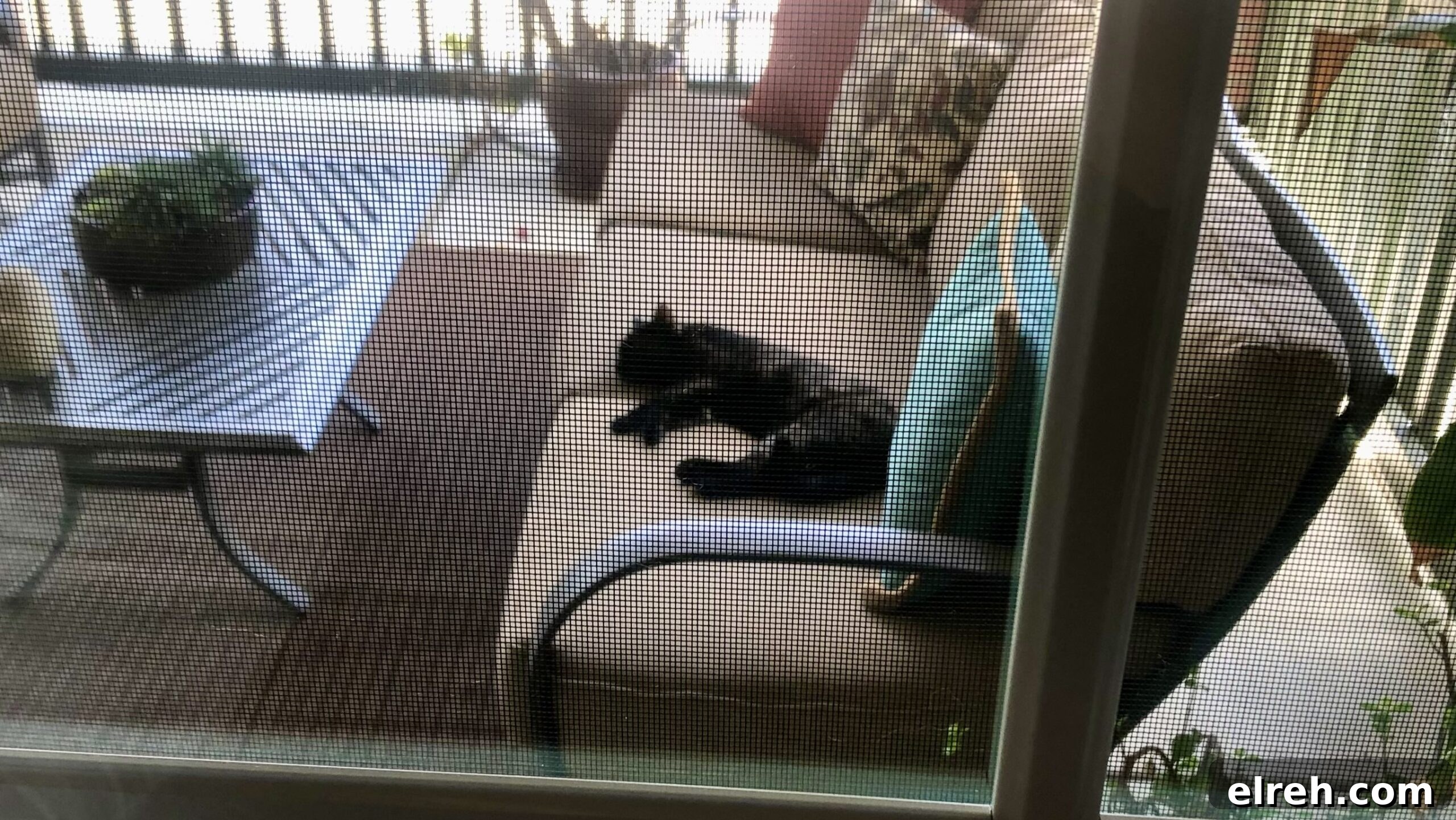
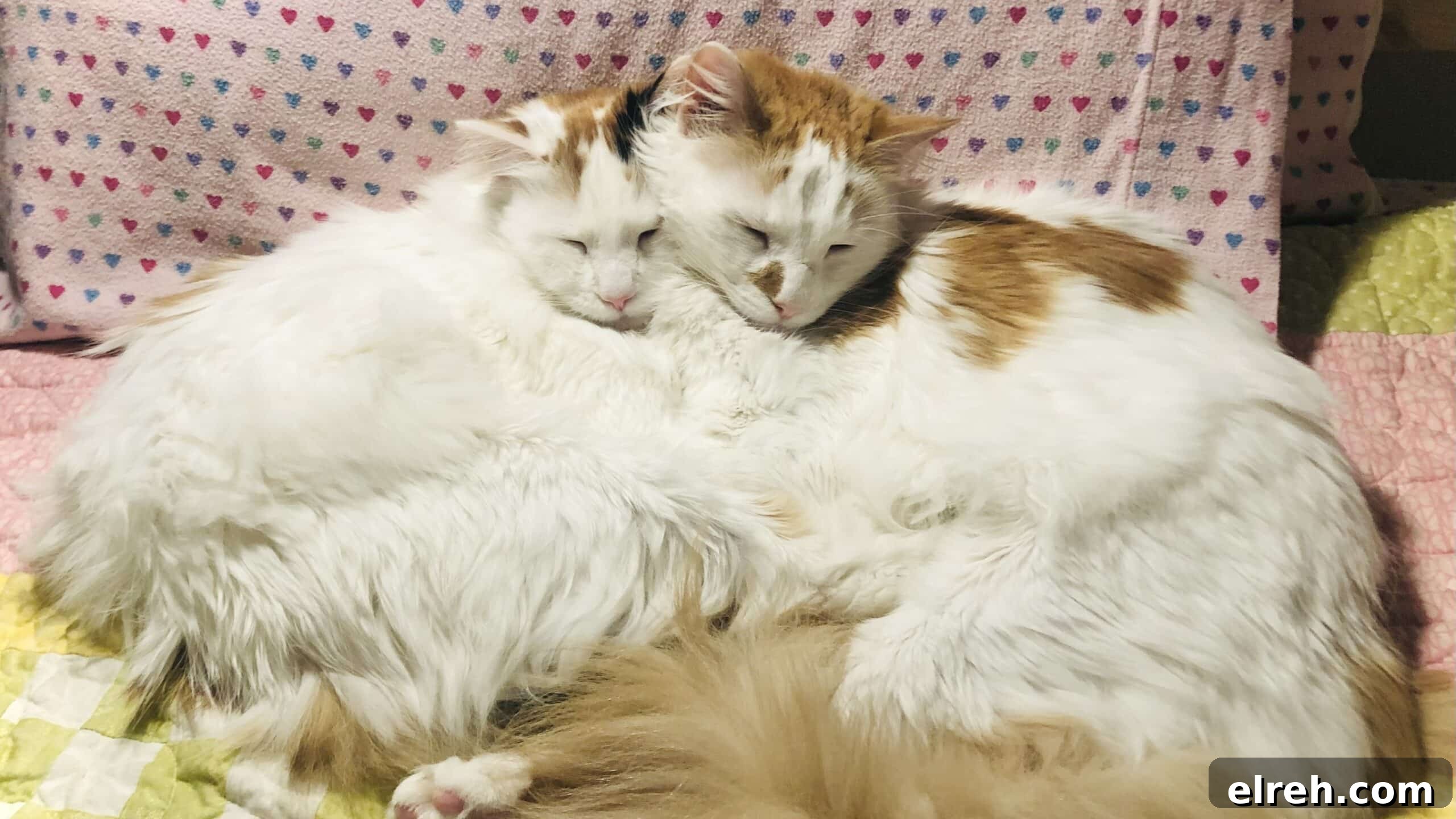
Mookie started as a porch cat who gradually let us get close. After being spayed and recovering indoors, she discovered the comforts of home and became part of the household. The three cats now divide the house into their own territories, and when they clash the dogs often rush over to investigate.
Washing pets with Dr. Bronner’s
Dr. Bronner’s Pure-Castile Magic Soap works well for washing dogs and can be gentle on skin thanks to its simple, plant-based oils. It cleans without leaving residues or artificial fragrances. For a broad overview of using Castile soap on many pet types, consult the manufacturer’s pet shampoo guidance.
How I wash my dogs with Dr. Bronner’s Soap
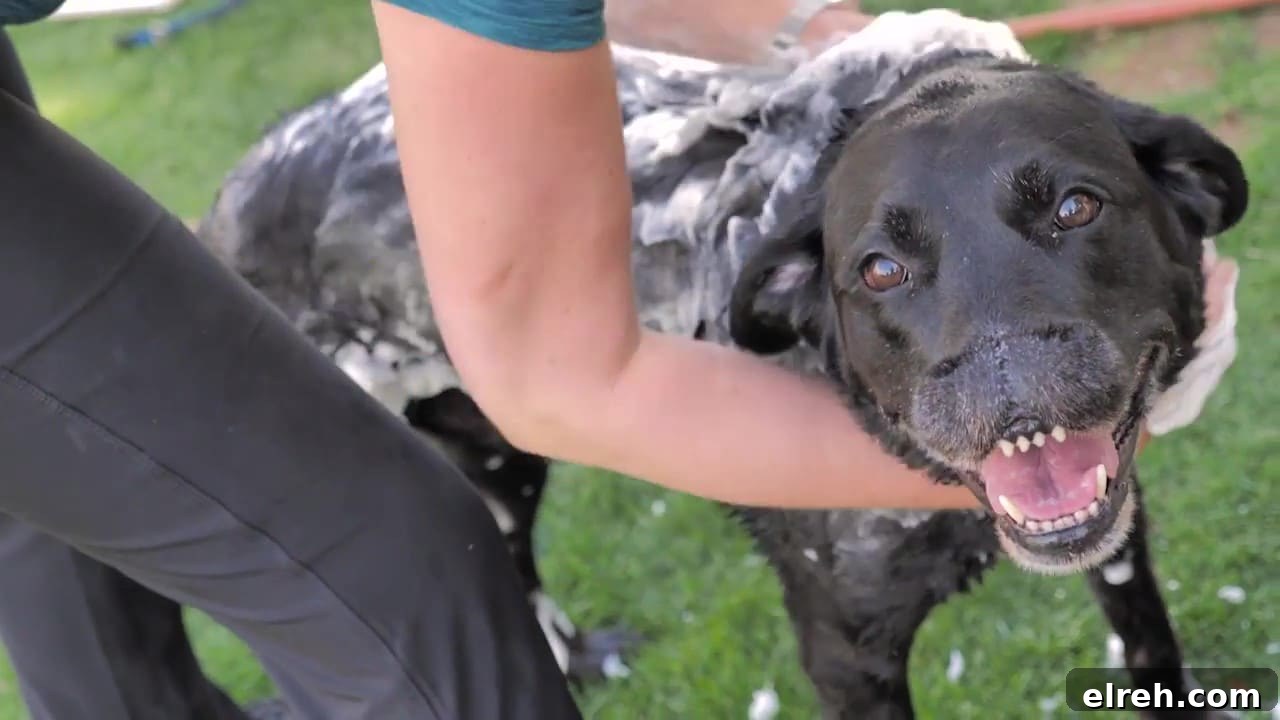
My technique is straightforward and works for most dogs: wet, lather, rinse, dry. For a full demonstration of the approach I used with Tucker, watch my dog-washing video. Below is a concise step-by-step you can follow at home.
My dog-washing routine:
1. Wet thoroughly. Saturate the coat so soap spreads evenly.
2. Apply soap. A small squirt of liquid Castile or a bar soap works depending on size. With a wet coat, you’ll get a rich lather with very little product.
3. Lather and massage. Work the soap into the fur and skin, avoiding eyes and inner ears. The soap is not tear-free and pets should not ingest it.
4. Rinse completely. Leftover soap attracts dirt and can irritate skin, so rinse until the water runs clear.
5. Dry. Let your dog shake off, then towel-dry or use a dryer if they tolerate it. A good rubdown is often a favorite for pets.
Tip: If your dog resists baths or tries to lick the soap, smear a little peanut butter on the tub wall to distract and reward them during the process.
Bathing cats and dogs with GIY Pet Wipes
Many cats dislike full baths, so I developed a simple DIY pet wipe recipe that works for both cats and dogs. These reusable wipes are gentle, affordable, and perfect for spot-cleaning, paw wiping, and refreshing between baths.
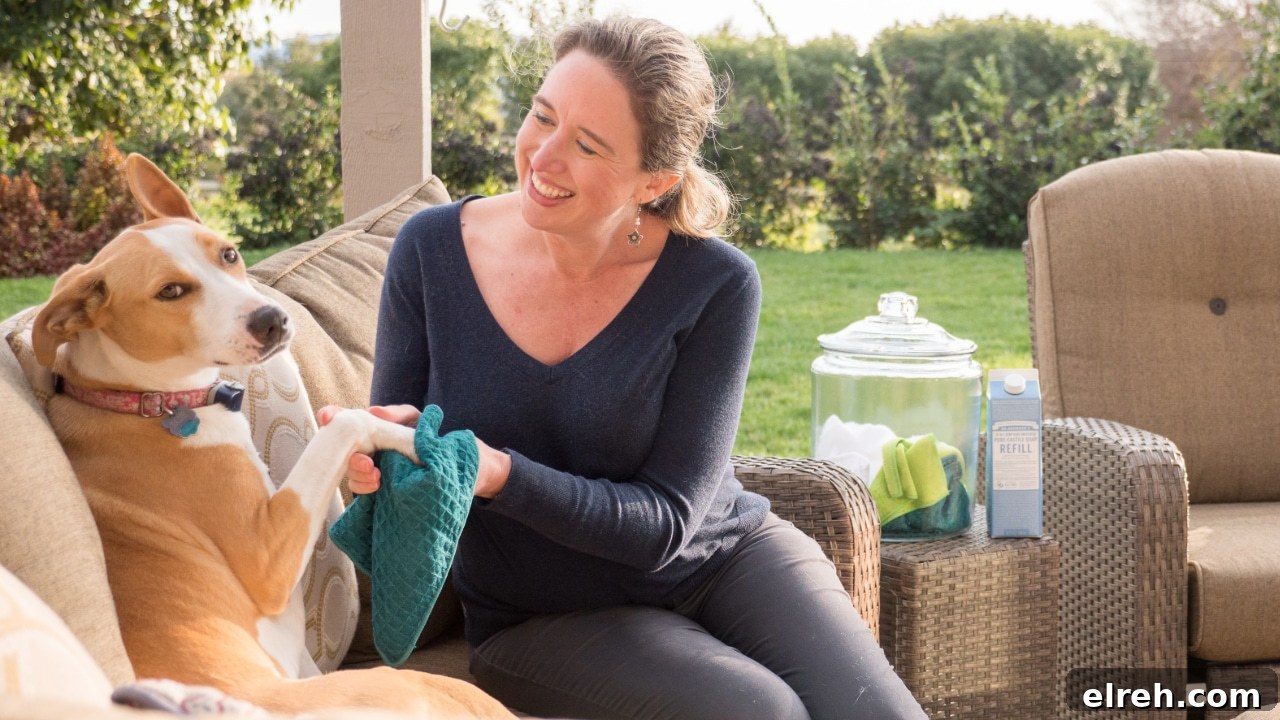
Uses for pet wipes:
- Wiping muddy or wet paws
- Removing dust, dander, and allergens
- Refreshing coats between baths
- Cleaning tear stains (avoid eyes)
- Wiping skin folds and backsides
- Helping pets who avoid baths or have mobility issues
How to make GIY Pet Wipes:
- Combine 1 Tbsp. (15 mL) Unscented Pure-Castile Magic Soap with 1 cup (240–360 mL) distilled or purified water in a small jar.
- Place clean washcloths, cut t-shirts, or half rolls of paper towels into a watertight container.
- Pour the solution over the wipes and let them absorb the liquid.
Wipe carefully to avoid eyes. If the area feels soapy afterward, follow with a cloth dampened in plain water.
Which Dr. Bronner’s soap scent is best for pets?
Dr. Bronner’s uses essential oils for scent. Most scents are fine because they’re diluted and rinse away, but avoid tea tree oil for pets. Cats are particularly sensitive to essential oils, so use the Unscented formula for them.
FAQs for pet bathing with Dr. Bronner’s
Do I need a conditioner after using Castile Magic Soap?
For short-haired pets I skip conditioner. For long or tangled coats, you can rinse with a diluted apple cider vinegar solution (avoid face and ears) to help detangle and smooth.
How do I clean my pets’ face and ears?
GIY Pet Wipes are ideal for faces and ear exteriors—avoid getting liquid inside the ear canal and keep soap away from eyes. Consult your vet about cleaning the ear interior if needed.
Does Castile Magic Soap remove fleas?
The soap will wash away fleas present during bathing but won’t prevent reinfestation. Talk to your veterinarian about effective flea control for ongoing protection.
My pet has sensitive skin—what scent should I use?
The Unscented (baby) Magic Soap is the gentlest option for pets with sensitive skin or allergies.
Washing pet gear with Dr. Bronner’s
Pet gear needs regular cleaning: collars, bedding, toys, bowls, brushes, and enclosures all benefit from simple DIY methods. Here are four go-to cleaning options I use:
- GIY All-Purpose Spray: dilute Sal Suds or dilute Castile soap in water for a versatile spray.
- Machine laundering: use 3–4 Tbsp. Castile Magic Soap or 1–1½ Tbsp. Sal Suds in an HE machine for large loads; boosters like baking soda or vinegar can help.
- Hand laundering: a capful of Castile Soap or a half capful of Sal Suds in warm water works for delicates.
- Bucket of suds: add a small amount of Sal Suds to a bucket for heavy-duty hand cleaning tasks.
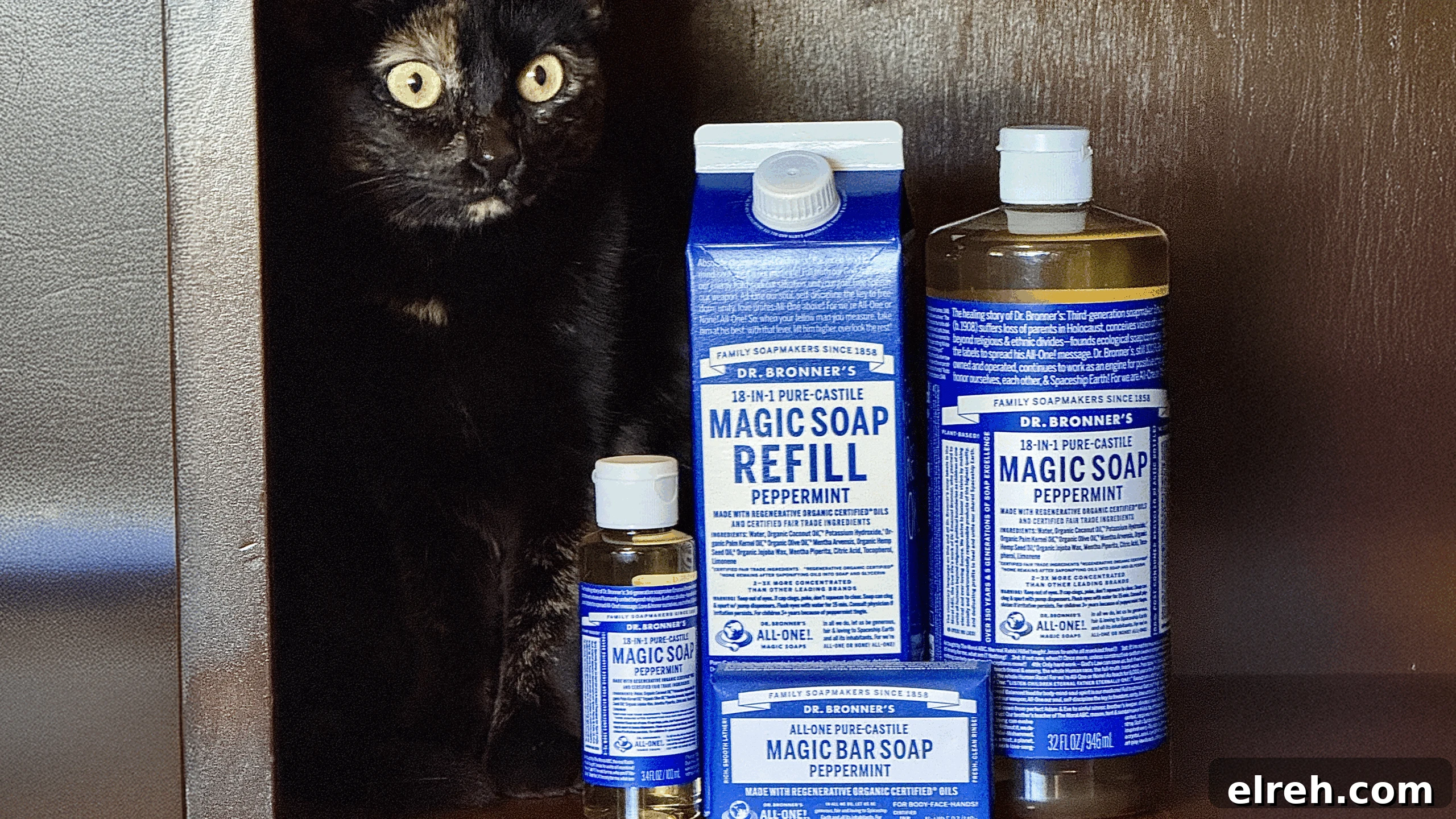
Collars, leashes, harnesses, and vests
Handwash in a bucket of suds, scrub with a stiff brush if needed, rinse and air-dry. Machine wash in a mesh bag if appropriate. For leather, wipe with a very diluted solution and never submerge.
Bedding
Vacuum bedding regularly and follow the manufacturer’s label for washing. Zip-off covers can be machine-washed; use boosters or a soak cycle for heavy grime. Non-upholstered elevated beds can be sprayed and wiped.
Hard pet toys
Dishwasher-safe toys are easy to clean. Otherwise soak in a bucket of suds, scrub, rinse, and air dry.
Soft pet toys
Machine-washable soft toys go in the laundry. For surface-only items, wipe with a cloth dampened in diluted soap, then rinse with a damp cloth and air-dry.
Food & water bowls
Run metal or ceramic bowls through the dishwasher or handwash with a few drops of Castile Soap or Sal Suds, scrub, rinse and dry.
Brushes & combs
Remove hair, wash with warm water and a few drops of Sal Suds or Castile Soap, scrub between teeth and bristles, rinse and air dry. Avoid soaking brushes held together with glue.
How to wash pet enclosures, gates, and kennels
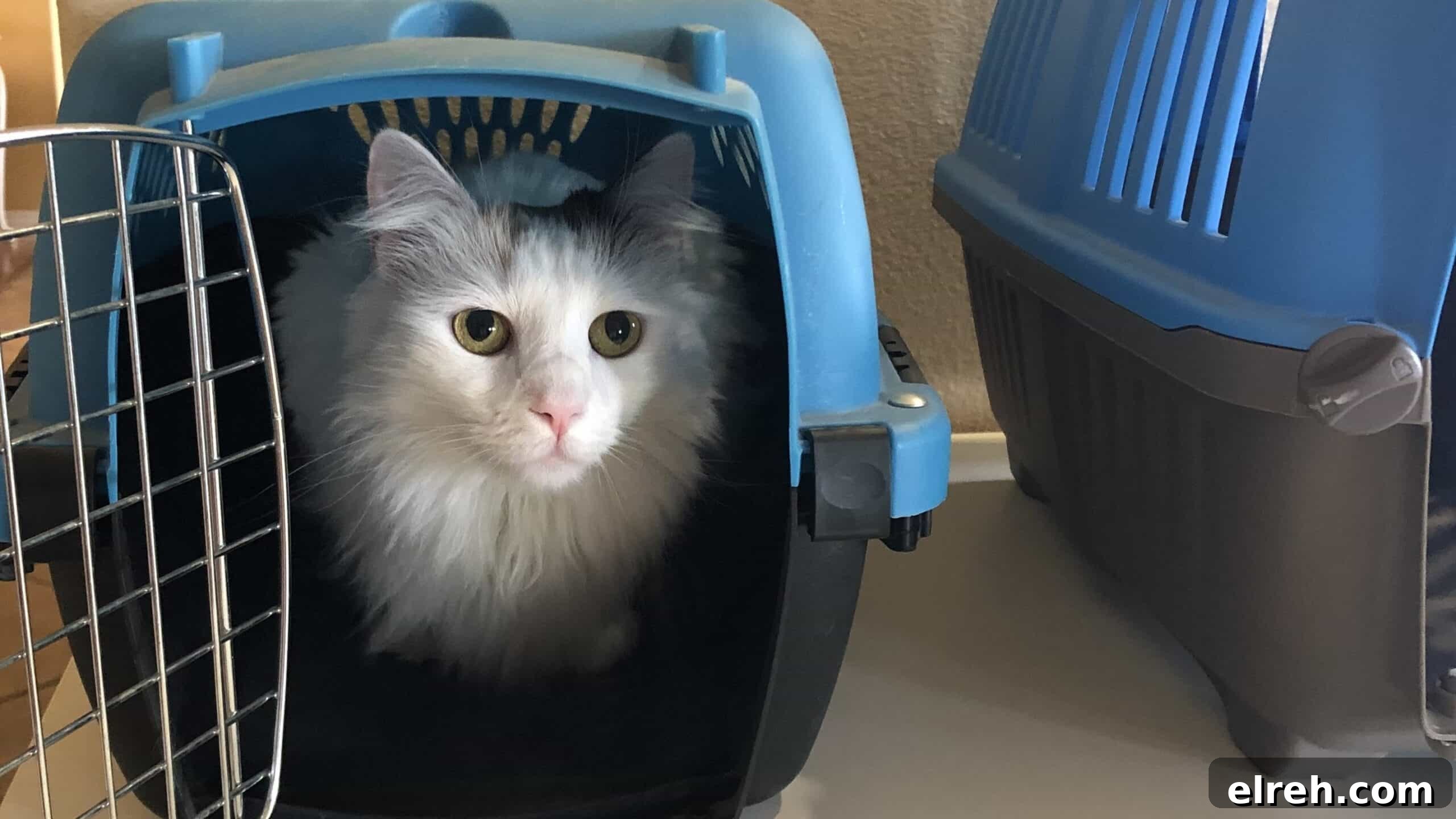
Temporarily relocate pets while cleaning. Use a GIY spray for small enclosures or a bucket of suds for larger areas, scrub, rinse and dry. Adjust cleaner choice for the species and materials involved.
Cleaning up pet pee, poop, and puke
Accidents happen. The key is prompt action: remove solids, absorb excess liquid, then clean and deodorize. Quick response prevents stains and lingering odors.
First steps in cleaning pet messes
Always remove solids first and blot liquids with absorbent microfiber cloths. For carpets, press a clean cloth into the area—standing on it can help draw moisture out. Repeat with fresh cloths until the area is dry to the touch.
Cleaning pet messes off of hard surfaces
After removing solids and soaking up liquids, spray the area with an all-purpose cleaner, let it sit briefly, and wipe with a damp cloth. For larger spills, mop using a diluted Castile Soap or Sal Suds solution—no rinsing needed at the recommended dilution.
Cleaning pet messes off of carpets
After blotting, spray the spot with an all-purpose solution, scrub with a damp cloth into the carpet fibers, then rinse with a clean damp cloth. Dry with microfiber cloths and fans. For extensive cleanups, a carpet cleaner with a very small amount of Sal Suds in the water can help—rinse with clean water afterward and air-dry thoroughly.
Cleaning pet messes off of artificial turf
For outdoor turf, use a diluted Sal Suds solution in a pump sprayer, hose attachment, or bucket. Scrub gently with a long-handled brush and rinse thoroughly with clean water. Sal Suds is preferred outdoors to reduce the chance of mineral residues.
Cleaning pet messes off clothing & other fabrics
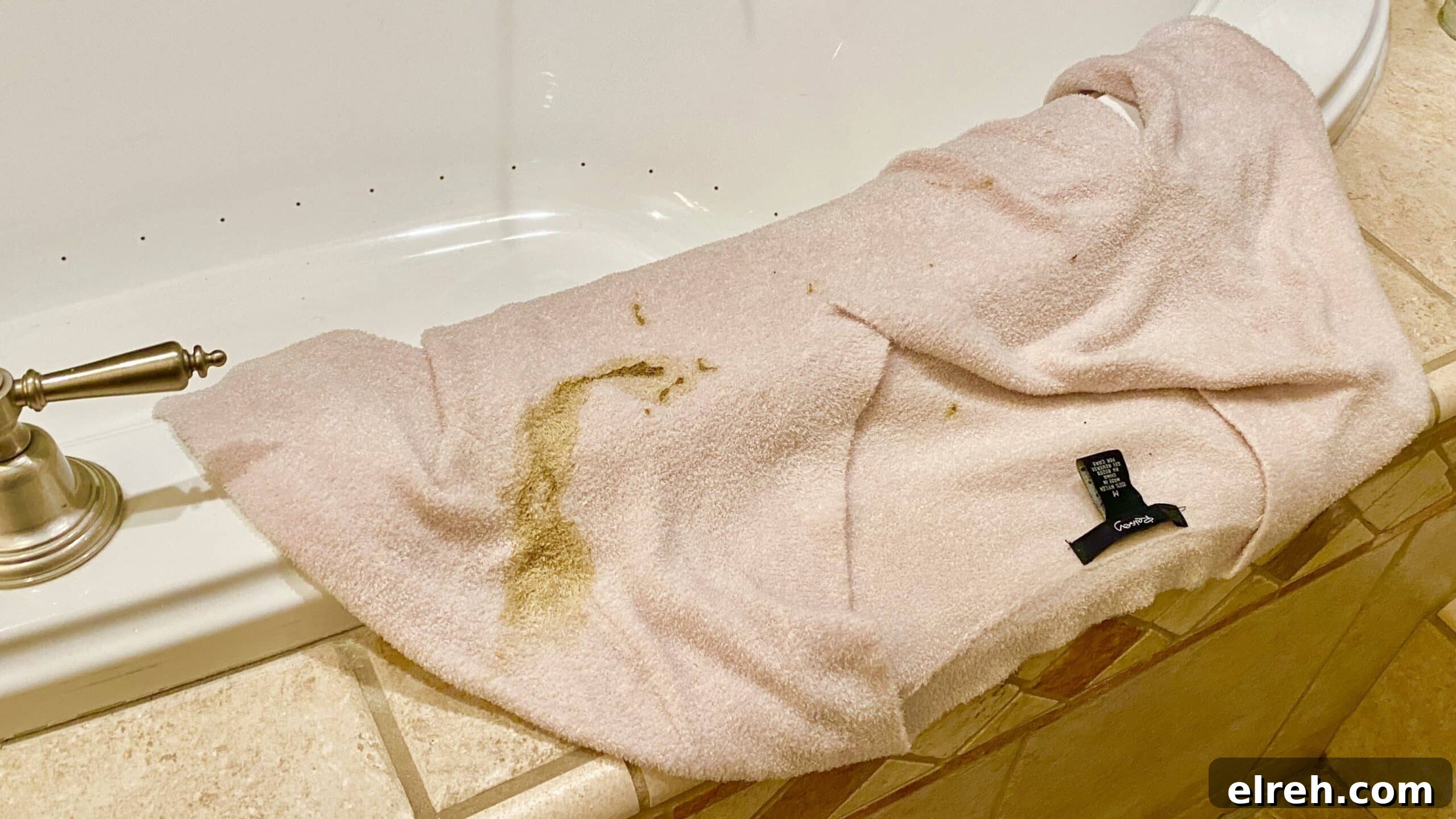
Rinse stains under cold water to remove as much material as possible, then apply a pre-treat spray made of Sal Suds diluted 1:1 with water. For whites, an oxygen bleach (sodium percarbonate) can help. Launder as usual once the stain is loosened.
Removing pet smells from carpet and other surfaces
Vacuum thoroughly, then sprinkle baking soda to neutralize odors. For urine, use an enzymatic cleaner to break down odor-causing proteins. Allow enzymatic products to air dry for best results.
Dealing with pet hair
Reduce shedding by brushing pets regularly and vacuuming often. Launder small soft items in a no-heat dryer cycle, and consider adding ½ cup vinegar to the washer’s fabric softener compartment to loosen hair. Use a microfiber cloth in the dryer to catch fur and keep a lint roller handy for quick touch-ups.
Eliminating pet hair from your clothing
Add vinegar to the fabric softener compartment, and toss a microfiber cloth in the dryer to collect fur. A reusable lint roller is useful for on-the-go removal.
On your furniture
Vacuum upholstery with attachments, launder removable covers, or spot-clean with a diluted soap solution. Protect furniture with washable throws where pets tend to rest.
Glass cleaning
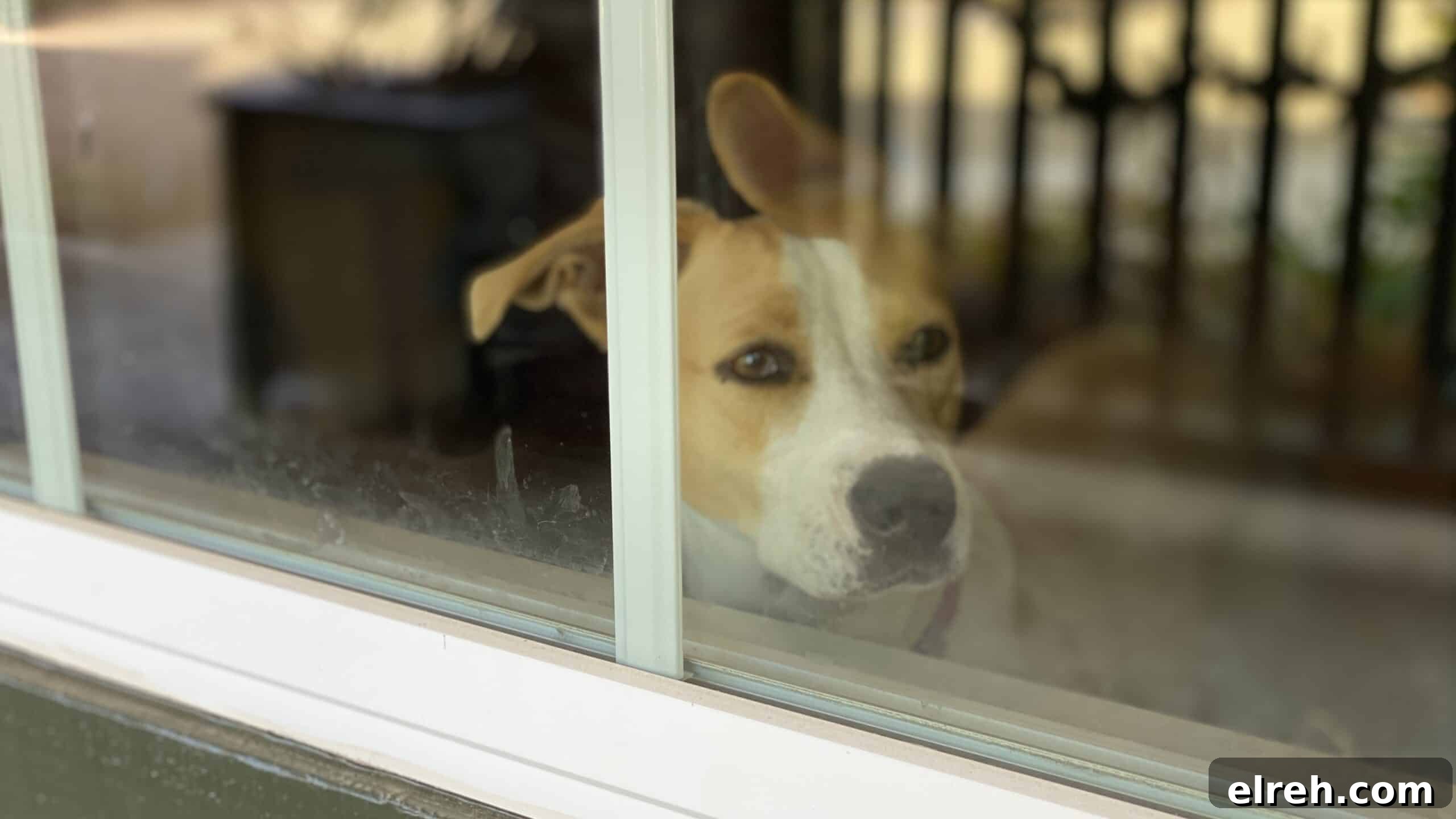
Windows and glass often show nose and paw prints. A simple solution of equal parts water and distilled white vinegar in a spray bottle cleans glass effectively. For heavy grime, clean first with an all-purpose spray, then finish with the vinegar rinse and squeegee or lint-free cloth.
Deter unwanted chewing with a GIY No-Chew Spray
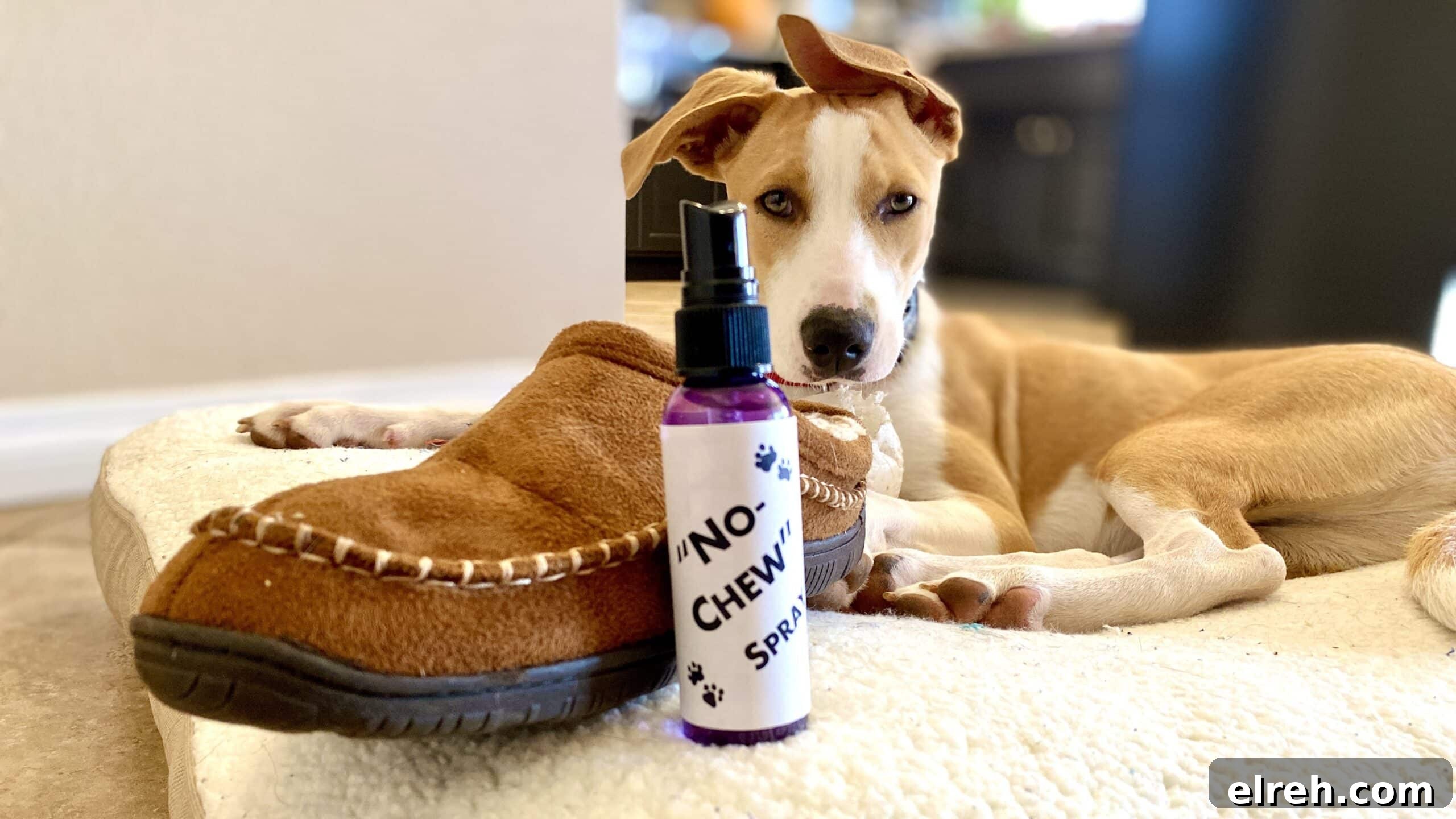
To discourage chewing on furniture, plants, or household items, I make a simple no-chew spray: two parts distilled white vinegar to one part apple cider vinegar. Spot-test light surfaces for discoloration before wider use. Spray as needed to deter chewing behavior; I’ve also misted plants lightly to keep cats from nibbling on them.
What pet topics did I miss?
I could talk pets all day—there’s always another trick or story. These methods capture most of what I use daily to keep pets clean, comfortable, and safe while maintaining a livable home. If you have specific questions, I welcome them in the comments.
Our pets can’t do chores themselves, so we repay their loyalty with care, regular grooming, and clean spaces. I hope these practical, gentle methods make pet care easier for you and your companions.
Further reading
- Dog Washing with Dr. Bronner’s Soap
- GIY Pet Wipes with Dr. Bronner’s Pure-Castile Soap
- Cleaning Carpets with Sal Suds
Sal Suds cleaner shows >60% biodegradation after 28 days per ISO 14593.