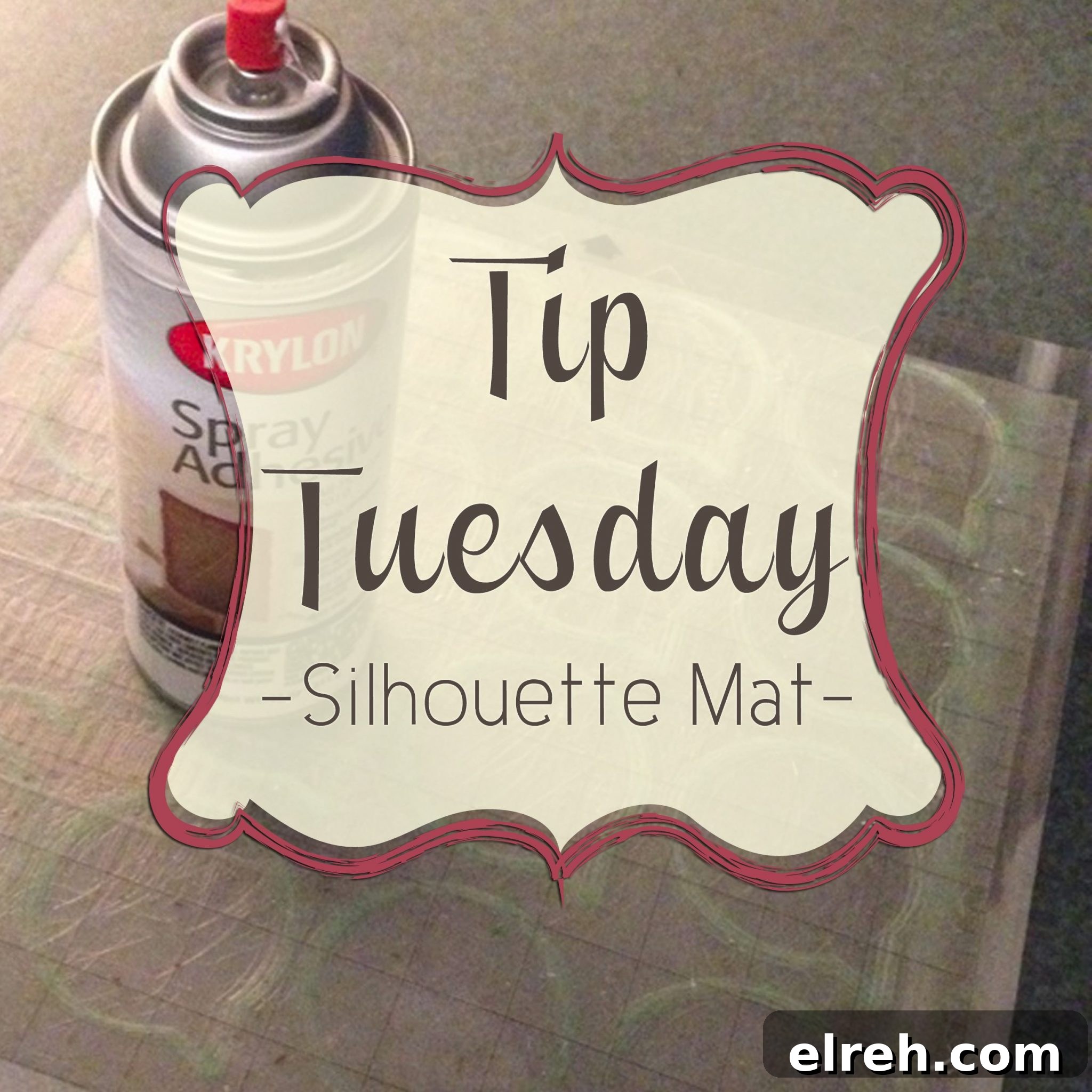
How I Extend the Life of My Silhouette Cutting Mat
I bought my Silhouette machine in October 2013 and, even as a heavy user, I still work on the original cutting mat. I use the machine several times a week for a range of projects—everything from invitations to hundreds of cupcake toppers for my Etsy shop. Over time I developed a reliable routine that keeps the mat sticky and performing well. Below I share the practical steps and helpful tips that have kept my mat functional for years.
Why a Maintenance Routine Matters
Cutting mats lose tack with frequent use, leading to shifting materials, imperfect cuts and frustration. Regular maintenance prevents those problems and extends the mat’s usable life. It also saves money and reduces waste because you won’t need to replace mats as often.
Primary Tip: Lightly Spray with Adhesive
My go-to trick is a light spray of repositionable adhesive on the mat about every other week, depending on how often I use the machine. The key details that make this work are:
- Use a repositionable spray adhesive formulated for paper, fabric and light crafts; these are designed to be tacky but not permanent.
- Spray from a distance to get an even, fine mist rather than concentrated globs.
- Let the spray dry for a few minutes before laying down paper, vinyl or cardstock. This helps the adhesive set correctly and prevents wrinkles or movement.
Cleaning and Restoring Your Mat
Before applying any extra adhesive, keep the mat clean. Dust, bits of paper, glitter and residue reduce its effectiveness and can create imperfections in cuts.
- Gently remove loose debris with a soft bristle brush or a lint roller.
- If the surface has stuck-on residue, try a gentle wash with lukewarm water and a small amount of mild dish soap. Use a soft cloth and minimal scrubbing. Allow the mat to air dry completely in a flat position.
- A clean, dry mat takes adhesive and materials more uniformly, so cleaning first improves results.
Storage and Handling Habits
How you store and handle your mat affects longevity. Small changes in habit can make a big difference:
- Always replace the protective cover after each use to shield the mat from dust and accidental contact.
- Store the mat flat rather than rolled or bent to avoid warping.
- Handle materials by the edges to minimize transferring oils or dirt from your hands to the mat surface.
Practical Usage Tips
These workflow tips help maintain consistent results and reduce wear:
- Position the material carefully and avoid repositioning it repeatedly; lifting and reapplying can reduce the mat’s tack over time.
- Use a brayer or scraper to smooth the material onto the mat so it lays flat and fully adheres.
- For heavier materials, consider using a stronger adhesive or a new mat designated for those jobs to preserve the primary mat’s tack.
When to Replace the Mat
Even with careful maintenance, mats will eventually lose sufficient tack or become damaged. Signs it’s time to replace include persistent lifting during cutting, deep cuts or gouges in the surface, and an uneven cutting surface that affects results. Until then, the cleaning and light adhesive routine will significantly extend useful life.
Final Thoughts
Keeping a Silhouette cutting mat in good shape takes only a few simple steps: clean it regularly, store it properly, and refresh the tack with a light spray adhesive as needed. These practices have kept my original mat in use for years, despite frequent crafting. If you’re looking for project ideas, check the March Silhouette Challenge post for inspiration and techniques to try with a well-maintained mat.