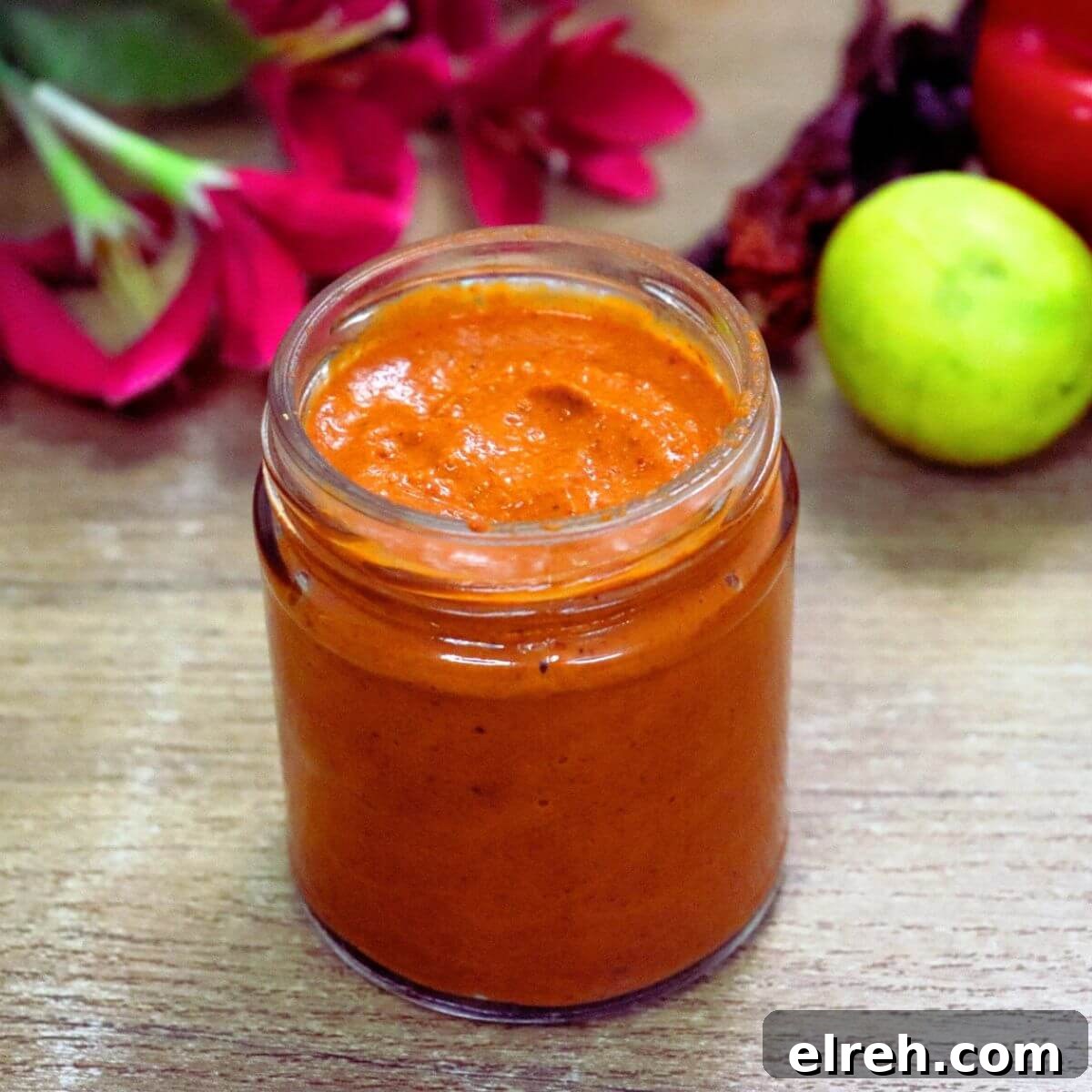
This Harissa sauce, sometimes called harissa paste, comes together in minutes using simple, easy-to-find ingredients. Make it ahead, refrigerate, and adjust the heat to suit your taste. Below is a clear guide to making a versatile homemade harissa that brightens stews, grilled meats, sandwiches, and dips.
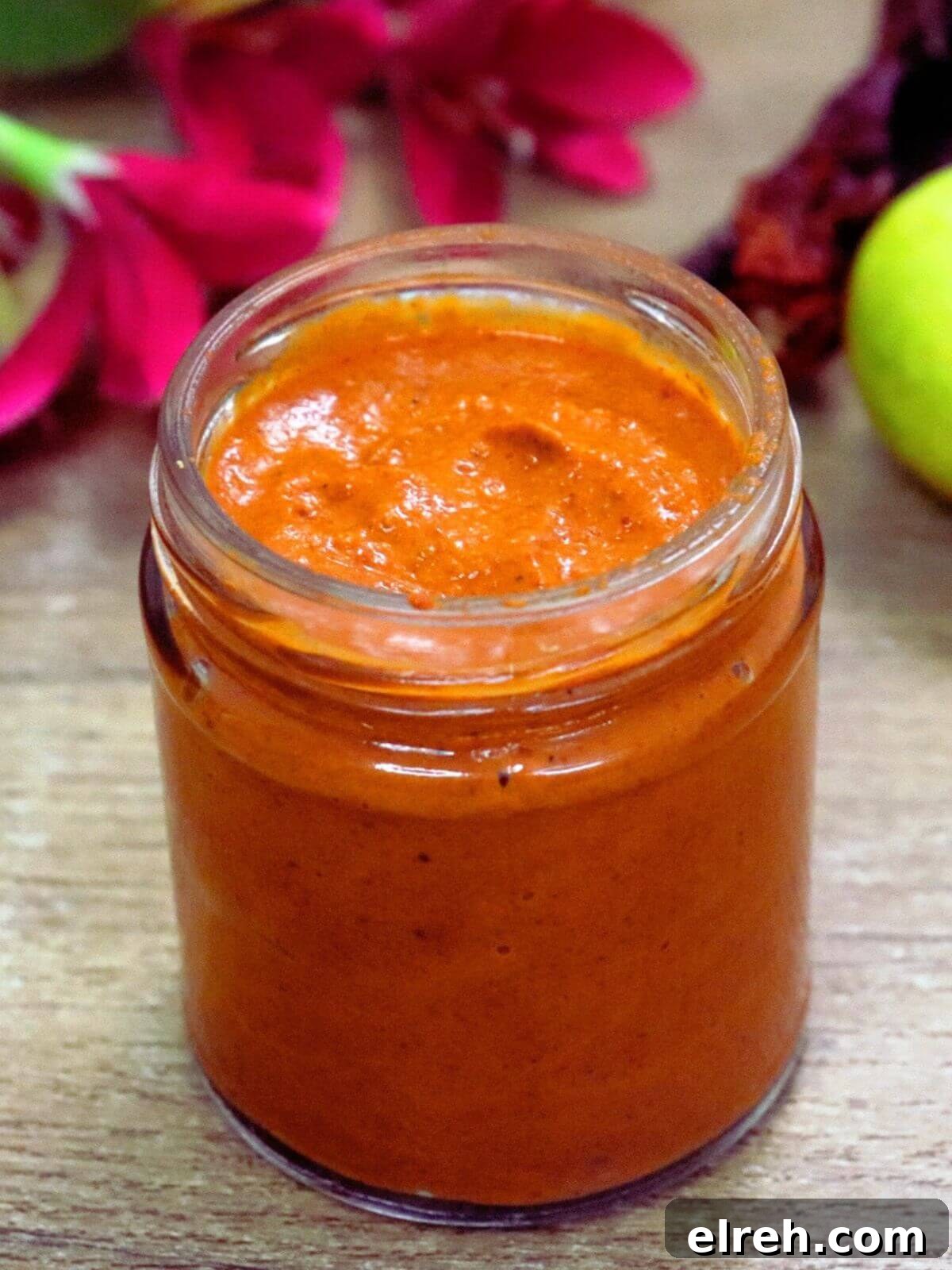
What is Harissa?
Harissa is a traditional North African chili paste, especially associated with Tunisia, and enjoyed across the Mediterranean and Middle East for its smoky, spicy, and tangy profile. Typical harissa combines dried red chilies, garlic, warm spices such as cumin, coriander and caraway, olive oil, and often roasted red pepper or tomato paste for color and body.
Homemade harissa is an excellent way to add instant flavor: use it as a marinade for meats, a spread for bread and sandwiches, or mixed into yogurt or mayonnaise as a dip or sauce.
Why you’ll love this recipe
- Adjust the spice level easily to make a mild, medium, or fiery paste.
- Control the texture — make it smooth like a sauce or leave it a bit chunky for more bite.
- No preservatives: it tastes fresher and more vibrant than most store-bought versions.
- Stores well in the refrigerator for a couple of weeks and freezes well in small portions.
Harissa Sauce Ingredients
Red chilies for harissa
Harissa gets its signature color and heat from red chilies. While Baklouti peppers are traditional, you can use other dried chilies depending on availability and desired heat:
- For mild to medium heat and bright color: Kashmiri chilies, Guajillo, or New Mexico chilies.
- For moderate to hot spice: Chile de Árbol or dried cayenne.
- To emphasize smokiness: dried chipotle or ancho chilies.
- For a fiery kick: use small amounts of Bird’s Eye, serrano, or habanero (fresh), used sparingly.
- Add paprika if you want color without too much heat.
Other key ingredients
- Toasted caraway seeds: common in Tunisian harissa and add an earthy note; optional if you don’t have them.
- Roasted red bell pepper: adds sweetness, body, and vibrant color; canned roasted peppers can save time.
- Garlic: provides aroma and depth; garlic powder can be used in a pinch.
- Tomato paste: gives tang and color; sun-dried tomatoes or concentrated puree are alternatives.
- Olive oil: extra virgin olive oil adds smoothness and authentic Mediterranean flavor.
- Lemon juice: balances the heat and brightens flavors; a splash of vinegar also works.
- Warm spices: ground cumin, ground coriander, and smoked paprika round out the flavor.
How to make Harissa Sauce at home (Step-by-Step)
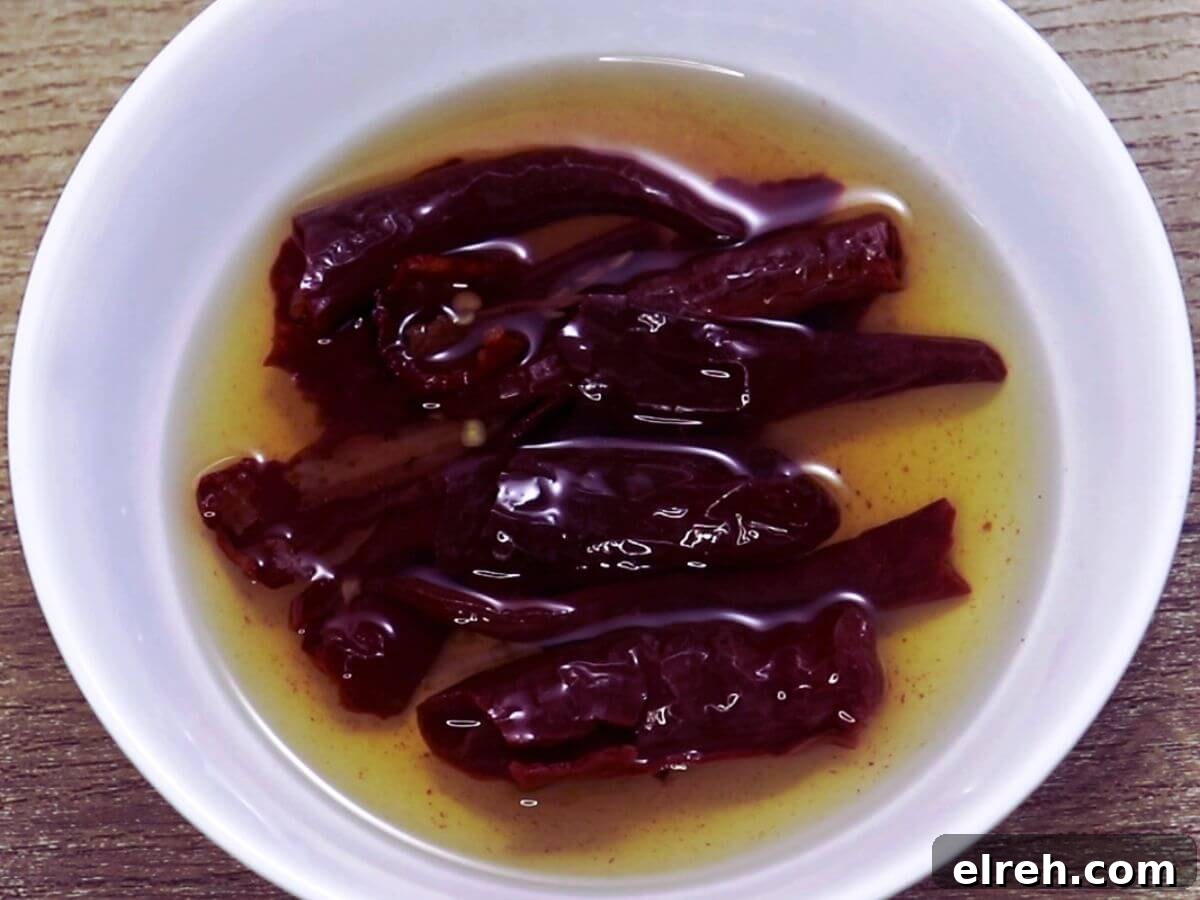
Step 1: Cut dried red chilies in half and remove seeds and stems. Soak in hot water for about 15 minutes, until pliable. Tip: wear gloves. Skip soaking if using fresh chilies.
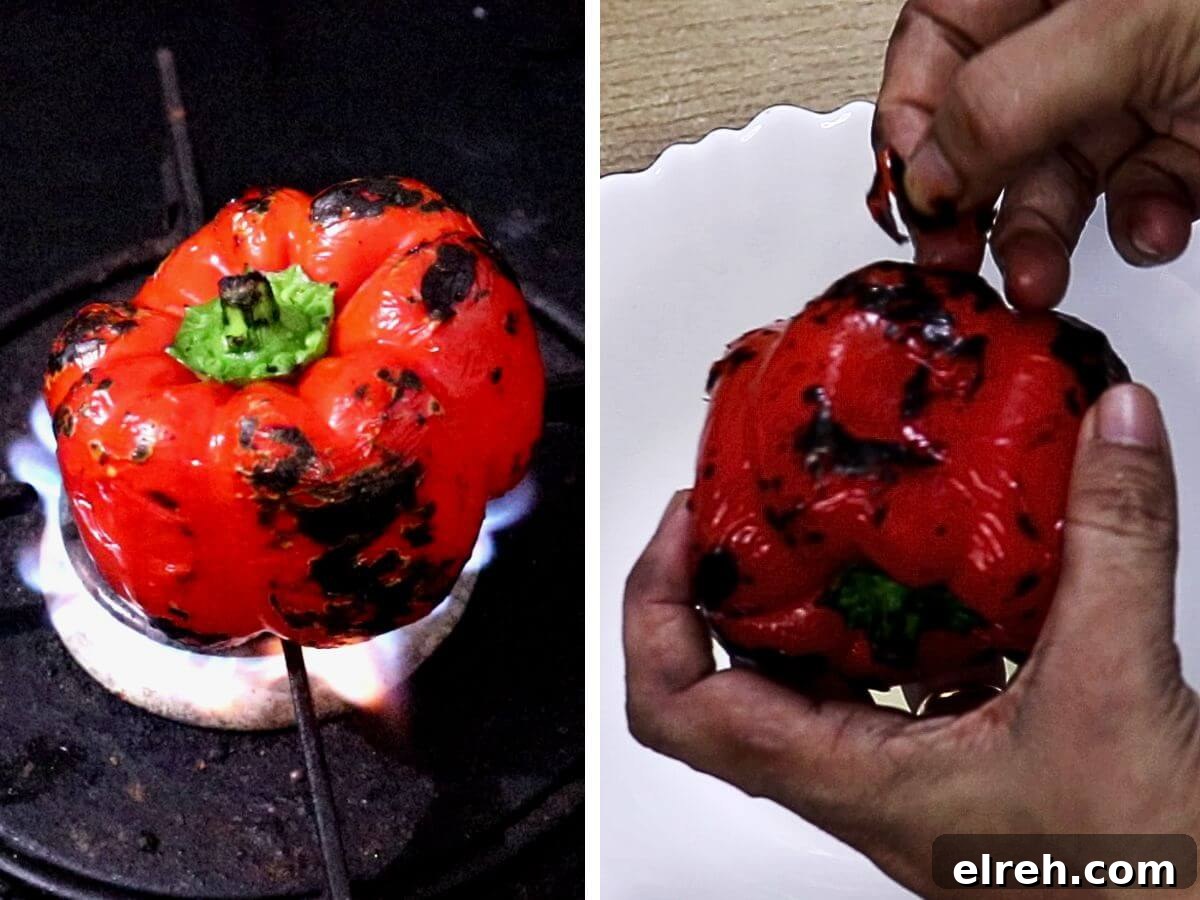
Step 2: Rub a little oil on a red bell pepper and roast over an open flame or under a broiler until the skin chars. Place the pepper in a bowl and cover to steam; this loosens the skin and makes peeling easy.
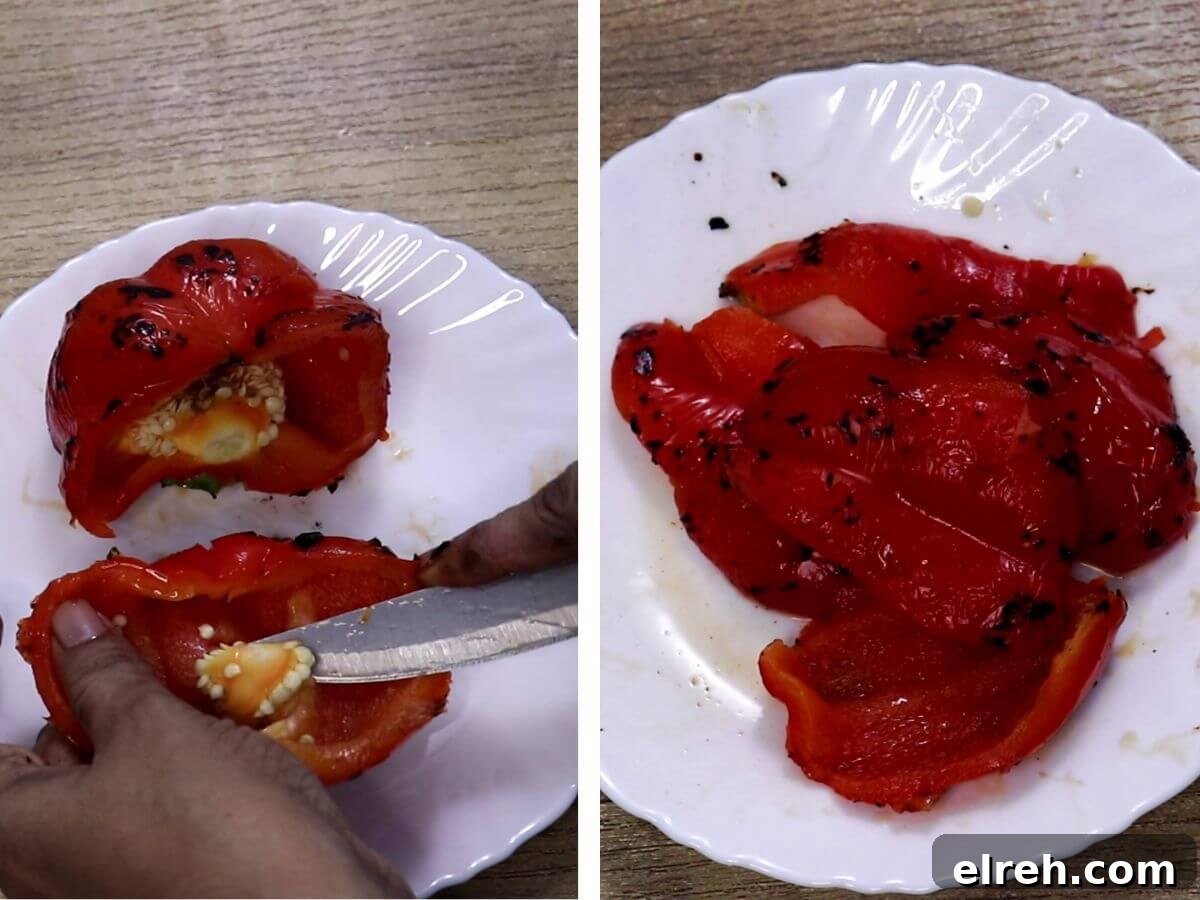
Step 3: Peel the charred skin, remove the stem and seeds, and chop the roasted pepper into pieces.
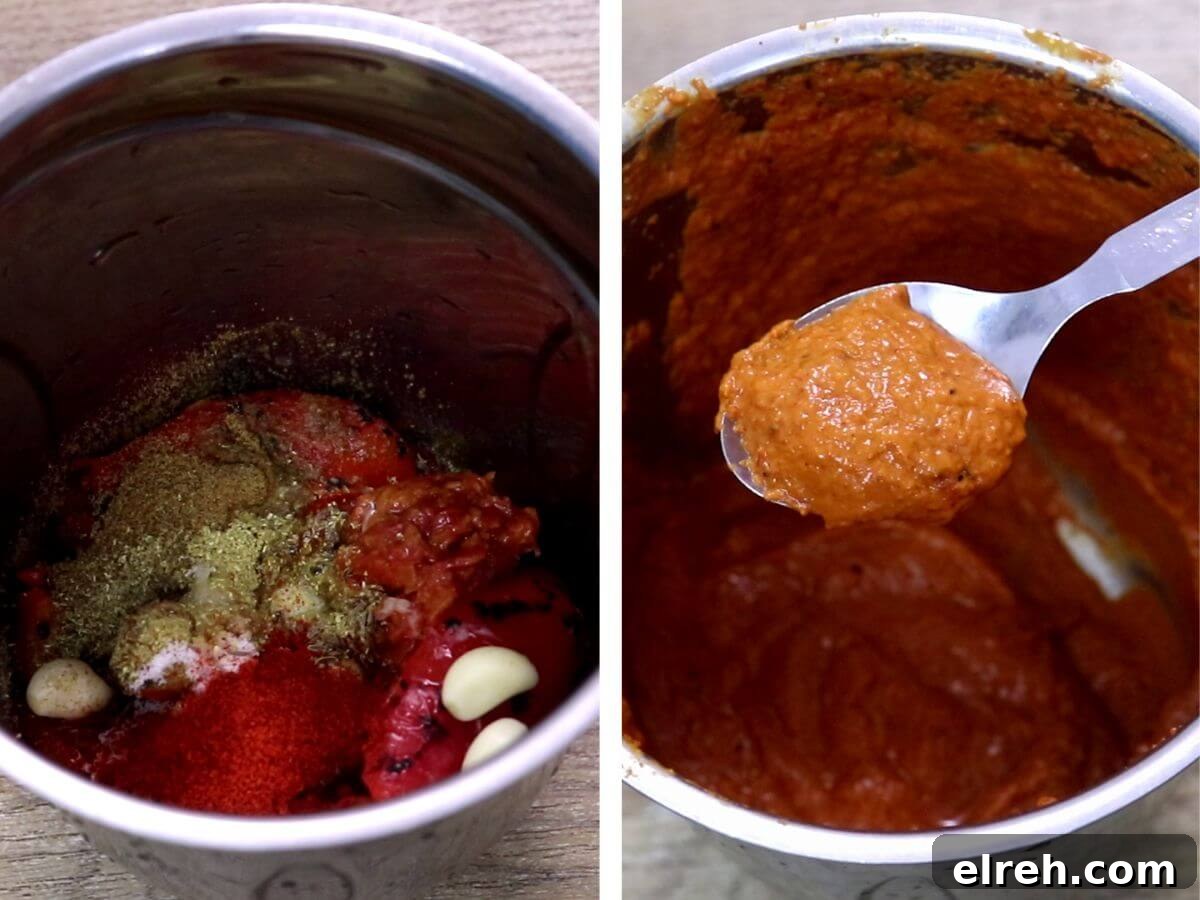
Step 4: Drain the softened chilies and add them to a blender or food processor with the roasted pepper, tomato paste, garlic, ground cumin, ground coriander, smoked paprika, toasted caraway (if using), lemon juice, salt, and a tablespoon of olive oil. Blend to your preferred texture—coarse or smooth.
If the paste is too thick, add more olive oil slowly, or a little of the chili soaking water. Taste and adjust salt, lemon, or smoked paprika as needed. Transfer to a clean airtight jar.
Tips for making Harissa paste
- Adjust consistency: Add olive oil or some chili-soaking water while blending to make a smoother sauce or keep less liquid for a thicker paste.
- Protect your hands: Wear gloves when handling hot chilies and avoid touching your face or eyes.
- Customize: Taste as you blend and adjust the spices, salt, and acidity to match your preference.
- Enhance spices: Toast whole cumin, coriander, and caraway seeds briefly in a dry pan for more aroma, then grind before adding.
How to use Harissa sauce or paste
Harissa adds a spicy, smoky lift to many dishes. Common uses include:
- As a condiment alongside boiled eggs, grilled chicken, kebabs, or sandwiches.
- Stirred into stews, soups, or sauces for deeper savory flavor.
- As a marinade or rub for chicken, lamb, fish, or hearty vegetables before grilling or roasting.
- Mixed with Greek yogurt, mayonnaise, sour cream, or hummus to make creamy dips and spreads.
- Swirled into rice, couscous, pasta, shakshuka, or scrambled eggs for a quick flavor boost.
Recipe FAQs
Yes. The heat depends on the chilies you choose and how many you use. This recipe yields a mild-to-medium paste if you use milder dried chilies; increase or reduce the number or type of chilies to change the heat.
What does harissa taste like?
Harissa is spicy, smoky, and tangy with a touch of sweetness from roasted red pepper. The warm spices give it depth and a fragrant complexity.
How should I store harissa?
Place the harissa in a clean, dry glass jar and pour a thin layer of olive oil over the surface to seal. Keep refrigerated; the oil layer helps preserve it and should be refreshed after each use. Use within 2–3 weeks, or freeze in small portions for longer storage.
Other Mediterranean recipes to try
-
Mediterranean Kale Chickpea Salad
-
Mediterranean Roasted Vegetables
-
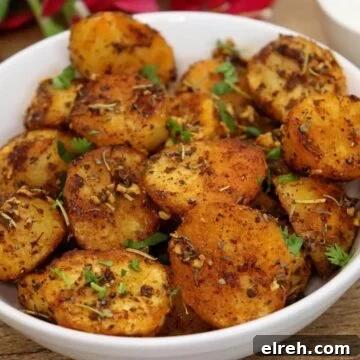
Roasted Mediterranean Potatoes
-
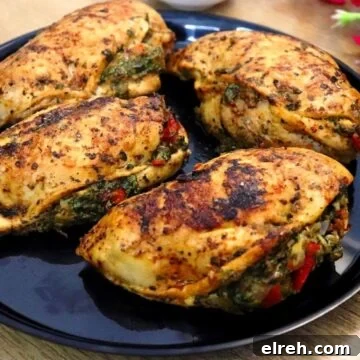
Mediterranean Stuffed Chicken Breast
Recipe Card
Harissa Sauce — Ingredients (about 10 tablespoons)
- 7 dried red chilies (for example Kashmiri chilies) — stems and seeds removed
- 1 large red bell pepper — roasted and peeled
- 3 garlic cloves
- 1 tablespoon tomato paste
- 1 tablespoon olive oil (plus more to top if storing)
- 1 tablespoon lemon juice
- 1 teaspoon ground cumin
- 1 teaspoon ground coriander
- 1 teaspoon smoked paprika
- 1 teaspoon toasted caraway seeds (optional)
- Salt, to taste
Instructions
- Prepare the dried chilies: halve them, remove seeds and stems, and soak in hot water for 15 minutes until soft. Wear gloves when handling chilies.
- Roast the red bell pepper until the skin chars, steam it covered to loosen the skin, then peel, remove seeds, and chop.
- Drain the chilies and add to a blender with the roasted pepper, garlic, tomato paste, spices, lemon juice, salt, and 1 tablespoon olive oil. Blend until you reach the desired texture.
- If the paste is too thick, add olive oil or a little of the chili soaking water until smooth. Taste and adjust seasoning as needed.
- Transfer to a clean jar, pour a thin layer of olive oil on top to seal, and refrigerate. Replenish the oil layer after each use. Freeze portions for longer storage.
Notes
- Always use gloves with hot chilies and avoid touching your face or eyes.
- Toast whole spices briefly for extra aroma and grind them before adding if you prefer.
- Adjust the number and type of chilies to control the spice level.