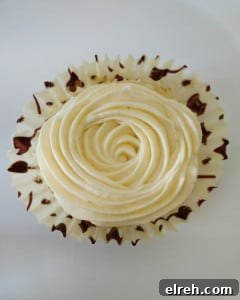
I’ve been obsessed with buttercreams and icings for a while, and given the name of this blog, what better place to start than with a frosting made with flour?
Flour buttercream — also called cooked flour buttercream, butter roux icing, or ermine frosting — is a classic, satiny-smooth frosting that many home bakers hardly know about. The name “ermine” likely refers to the silky quality of the finished frosting, similar to the idea of a smooth fur. It’s one of the traditional frostings and was originally the standard pairing for red velvet cake.
If this is new to you, don’t worry: it’s the quiet cousin of the more famous American and Swiss buttercreams, but it deserves attention. The base is essentially a cooked pudding made from flour, milk and sugar. Once cooled, that pudding is beaten into softened butter to create a light, fluffy, creamy frosting that behaves differently than other buttercreams.
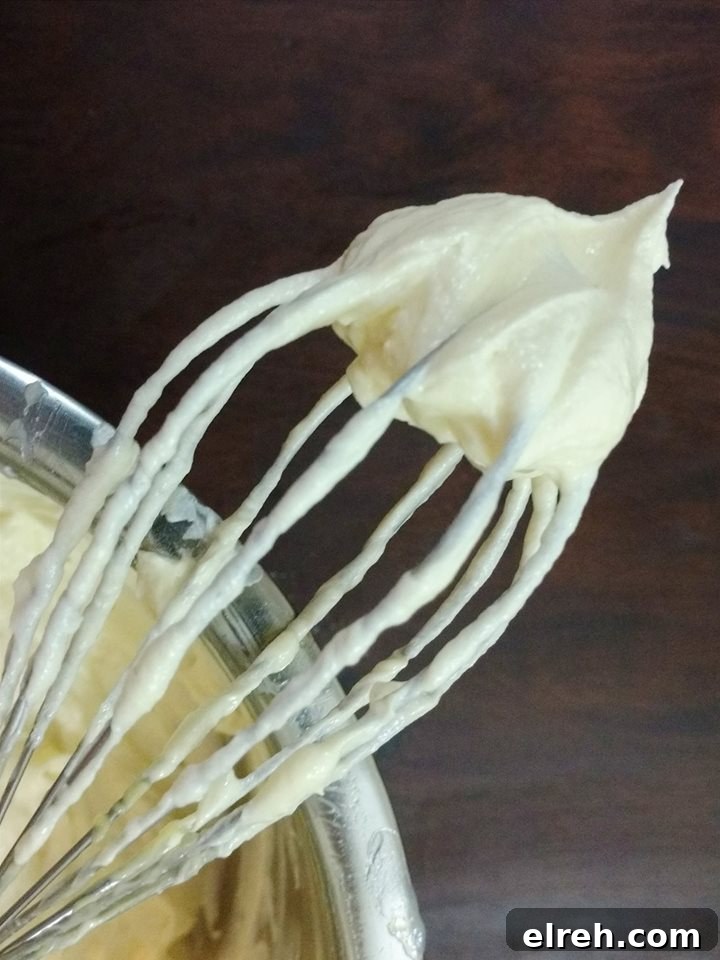
Why I like flour buttercream (and why you might too): it’s light, fluffy and not overly sweet. It contains no eggs, so you won’t be left with leftover yolks or whites to deal with. It doesn’t taste like a big mouthful of sugar or straight butter, and it pipes and holds shape well even in fairly warm conditions. The method is forgiving: the cooked base is mixed into butter rather than requiring careful sugar boiling or watching for stages.
What some people might not love: the flavor can be different from egg-based frostings. On a very delicate palate it can seem slightly floury or more neutral in flavor — most people don’t notice, but it’s possible. The cooked pudding base must be completely chilled before adding to the butter, so this takes planning ahead (about an hour to cool). Also, it won’t form the crust that American buttercream does, which matters if you like a set surface.
Ermine buttercream
How to make smooth and creamy Ermine buttercream (flour frosting)
Ingredients
- 35 grams (about 4½ tablespoons) all-purpose flour
- 200 grams (1 cup) granulated sugar
- 240 ml (1 cup) milk
- 1/4 teaspoon salt
- 226 grams (1 cup) unsalted butter, softened to room temperature
- 1/2 teaspoon vanilla extract (or other flavoring)
Instructions
- Whisk together the flour, sugar and salt in a saucepan to blend dry ingredients evenly.
- Add the milk and whisk until smooth and combined with no lumps.
- Place the saucepan over low heat and cook, whisking constantly as the mixture heats and comes to a boil. Keep the heat low to avoid scorching.
- Once the mixture reaches a boil, continue to cook for 1–2 minutes, then remove from heat and whisk for another minute. The mixture should be smooth and lump-free, resembling a thick pudding.
- Transfer the pudding to a bowl or plate. Cover it with plastic wrap pressed directly onto the surface to prevent a skin from forming. Let it cool to room temperature, then chill until completely cold.
- Beat the softened butter with an electric mixer until it becomes pale and fluffy, about 5–10 minutes on medium speed.
- With the mixer running, add the chilled pudding to the butter one tablespoon at a time, mixing well after each addition. This gradual addition keeps the mixture smooth and prevents separation.
- After all the pudding is incorporated, beat the buttercream for another 3–5 minutes until light and creamy and the texture is uniform.
- Beat in the vanilla extract or your chosen flavoring. Taste and adjust as desired. The buttercream is now ready to use.
Notes
- This recipe makes about 3 cups of buttercream — enough to frost 12 cupcakes or an 8–9 inch layered cake.
- Store in an airtight container in the refrigerator for up to one week, or freeze for up to two months. Bring to room temperature before using, then re-whip until smooth and any air bubbles are removed.
- Frosted cakes and cupcakes should be refrigerated and served at room temperature.
- This buttercream can be used under fondant, though it will not crust in the same way American buttercream does.
Flavor variations to try:
- Chocolate ermine buttercream: add about 100 grams melted chocolate per cup of finished buttercream (about 300 grams for the full batch).
- Fruit-flavored buttercream: stir in 2–3 tablespoons of thick fruit purée or jam per cup of buttercream (up to 9 tablespoons for the full recipe), adjusting to taste and consistency.
- Nutella ermine buttercream: mix 2–3 tablespoons Nutella per cup of buttercream (up to 9 tablespoons for the full batch) for a rich hazelnut flavor.
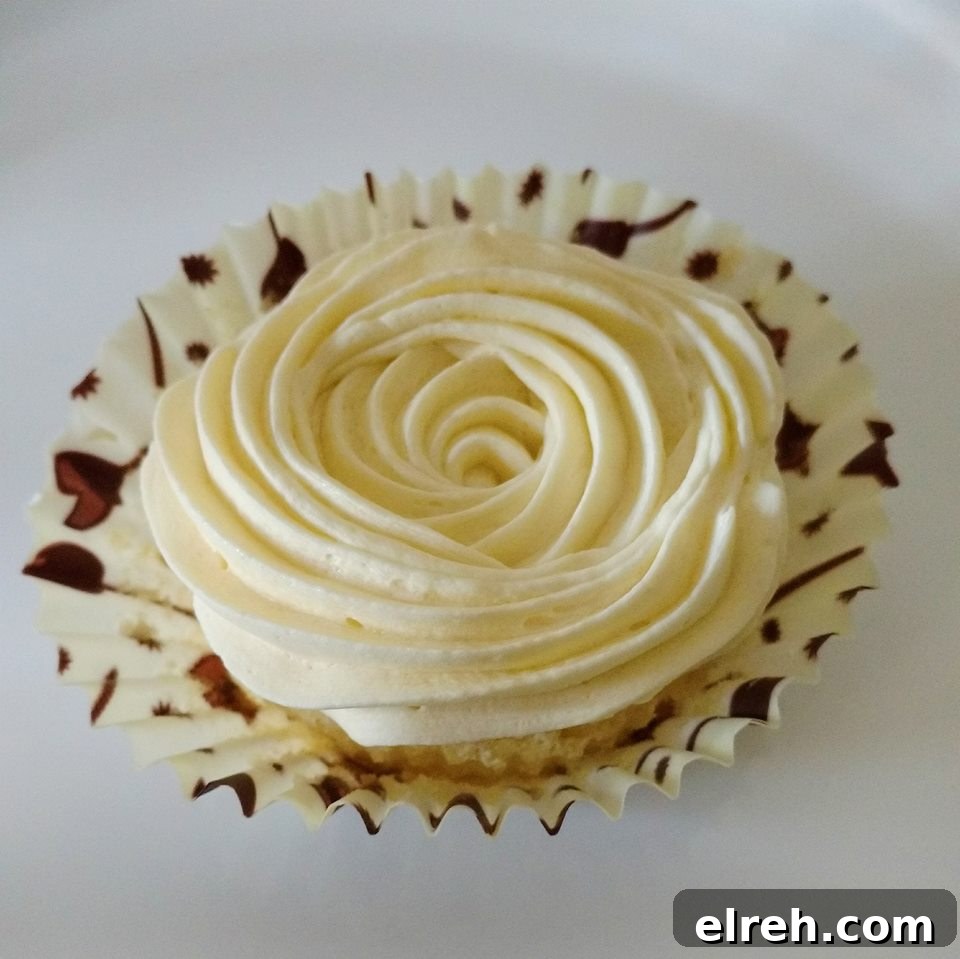
This is a beautifully smooth buttercream that’s perfect when you want an egg-free frosting that isn’t overly sweet, gritty, or overtly buttery. It behaves a bit like a meringue-based buttercream in texture but is slightly denser and very stable for piping. Many bakers call it one of the best frostings; try it yourself and see what you think.
How to make Ermine buttercream: