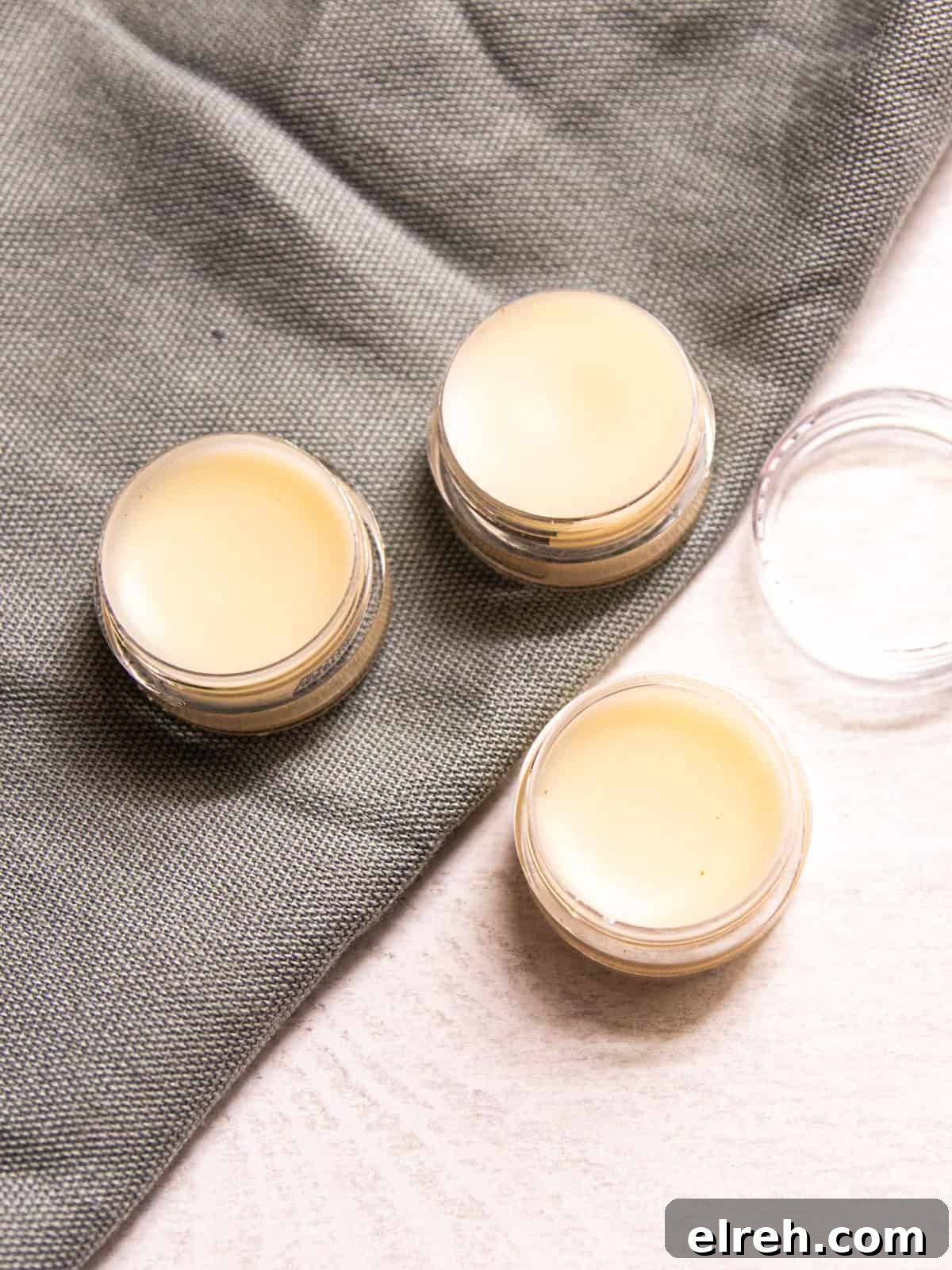
Make your own nourishing lip balm using just a few simple ingredients. This easy tallow lip balm recipe is straightforward to make, feels luxurious on the lips, and becomes a reliable part of your daily skincare routine.
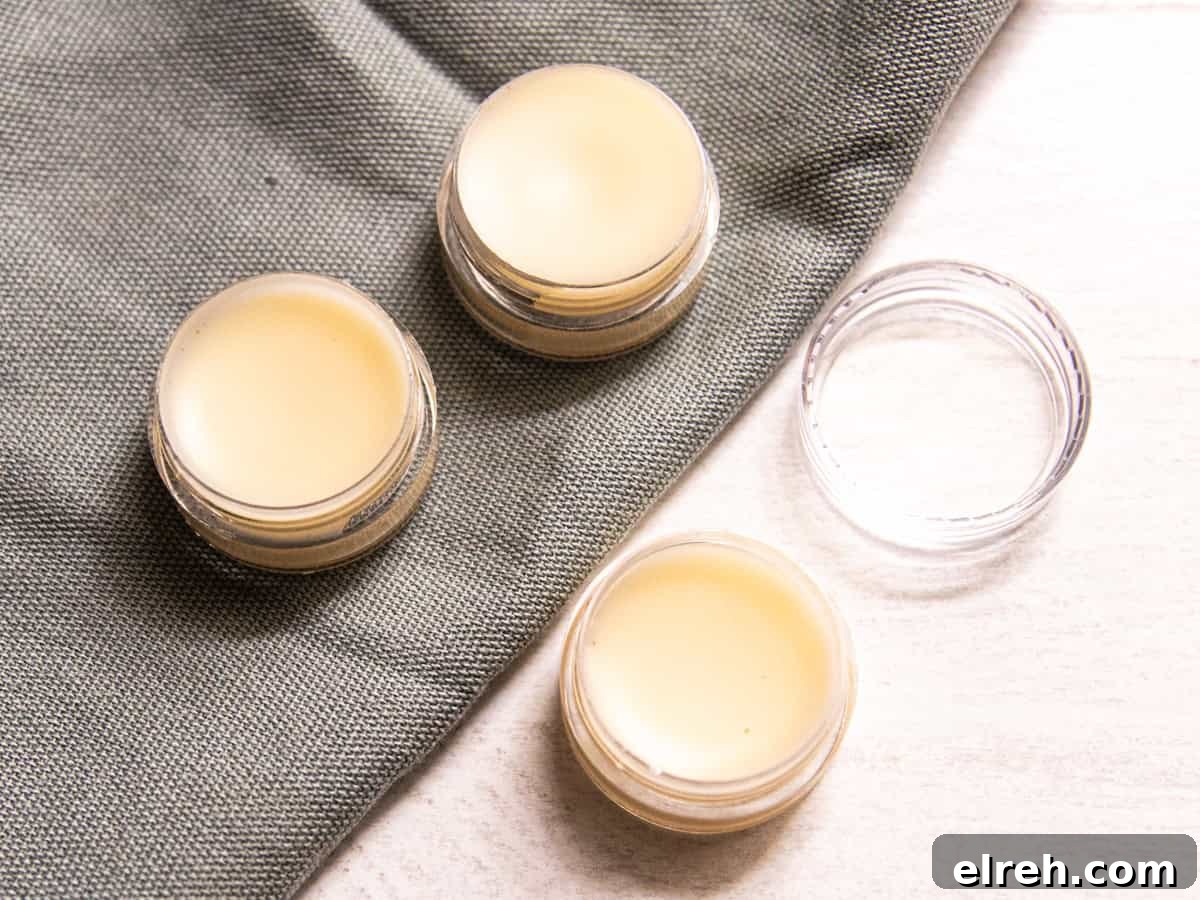
Tallow — the rendered fat many of us use in the kitchen — also performs beautifully as a skin-friendly ingredient. Its texture and skin compatibility make it an excellent choice for handcrafted balms and salves. If you already enjoy tallow in other homemade products like body butter or lotion, you’ll likely appreciate it on your lips as well.
Why You’ll Love This Lip Balm
- Tallow provides deep, long-lasting hydration and helps lips feel soft and supple without a greasy residue.
- Making your own lip balm reduces packaging waste and allows you to reuse tins or tubes again and again, keeping your routine more sustainable.
- The recipe is flexible: swap essential oils for different scents, adjust beeswax for firmer or softer texture, or omit fragrances entirely for a simple, unscented balm.
Ingredients and Supplies
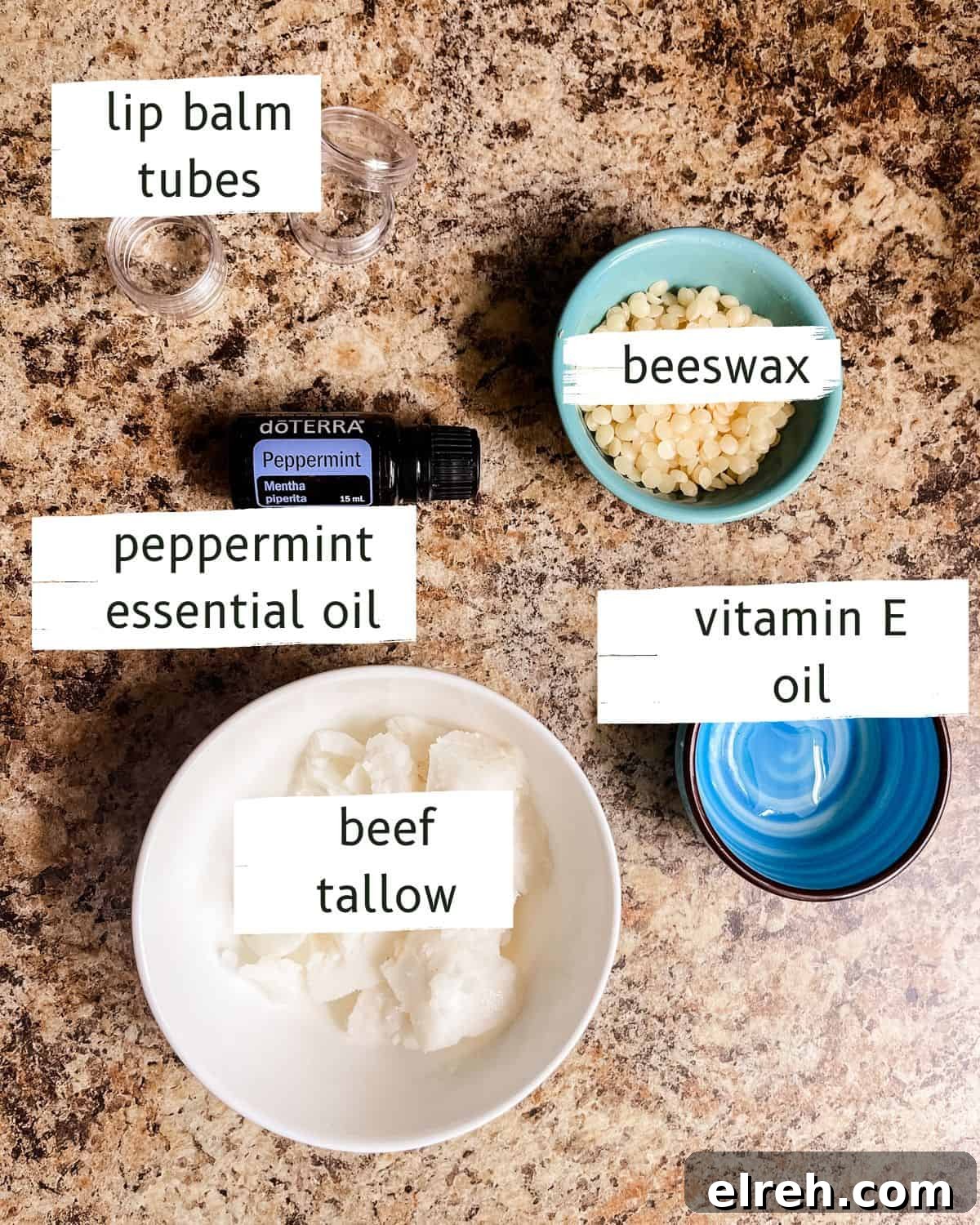
- Beef tallow: Rendered, filtered tallow is the base of the balm and offers natural emollient properties.
- Vitamin E oil: A small amount supports skin conditioning and adds antioxidant support to the formula.
- Beeswax: Provides structure so the balm holds its shape while remaining spreadable on the lips.
- Peppermint essential oil (optional): Adds a refreshing scent and a cooling sensation. If sensitive, reduce or omit essential oil.
- Containers: Small tins or twist-up lip balm tubes work well. Choose containers that are clean and completely dry.
How to Make Tallow Lip Balm
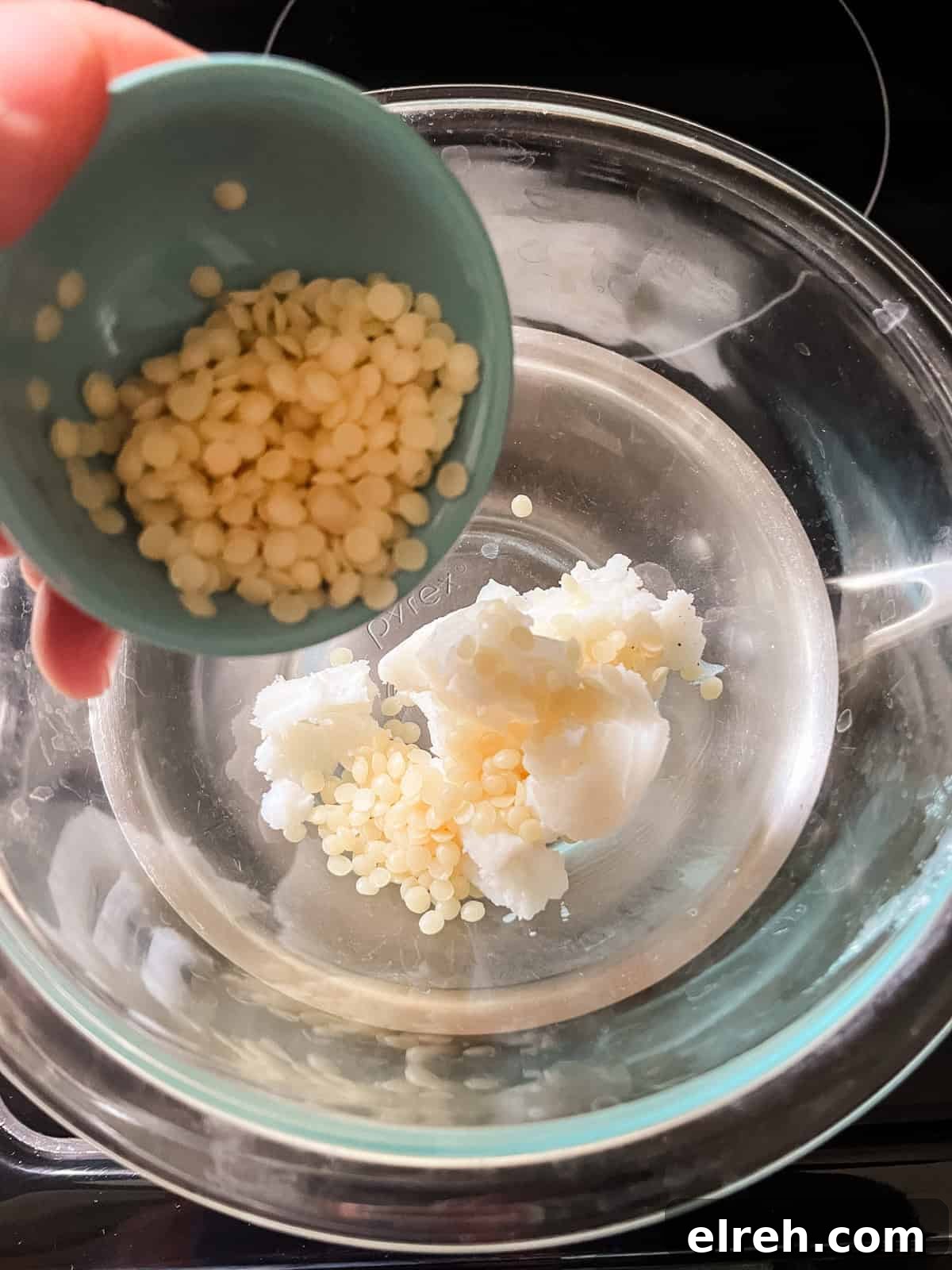
Step 1. Combine the measured tallow and beeswax in a double boiler. Warm slowly over low heat until fully melted and uniform in texture. Keep the heat gentle to avoid overheating the oils.
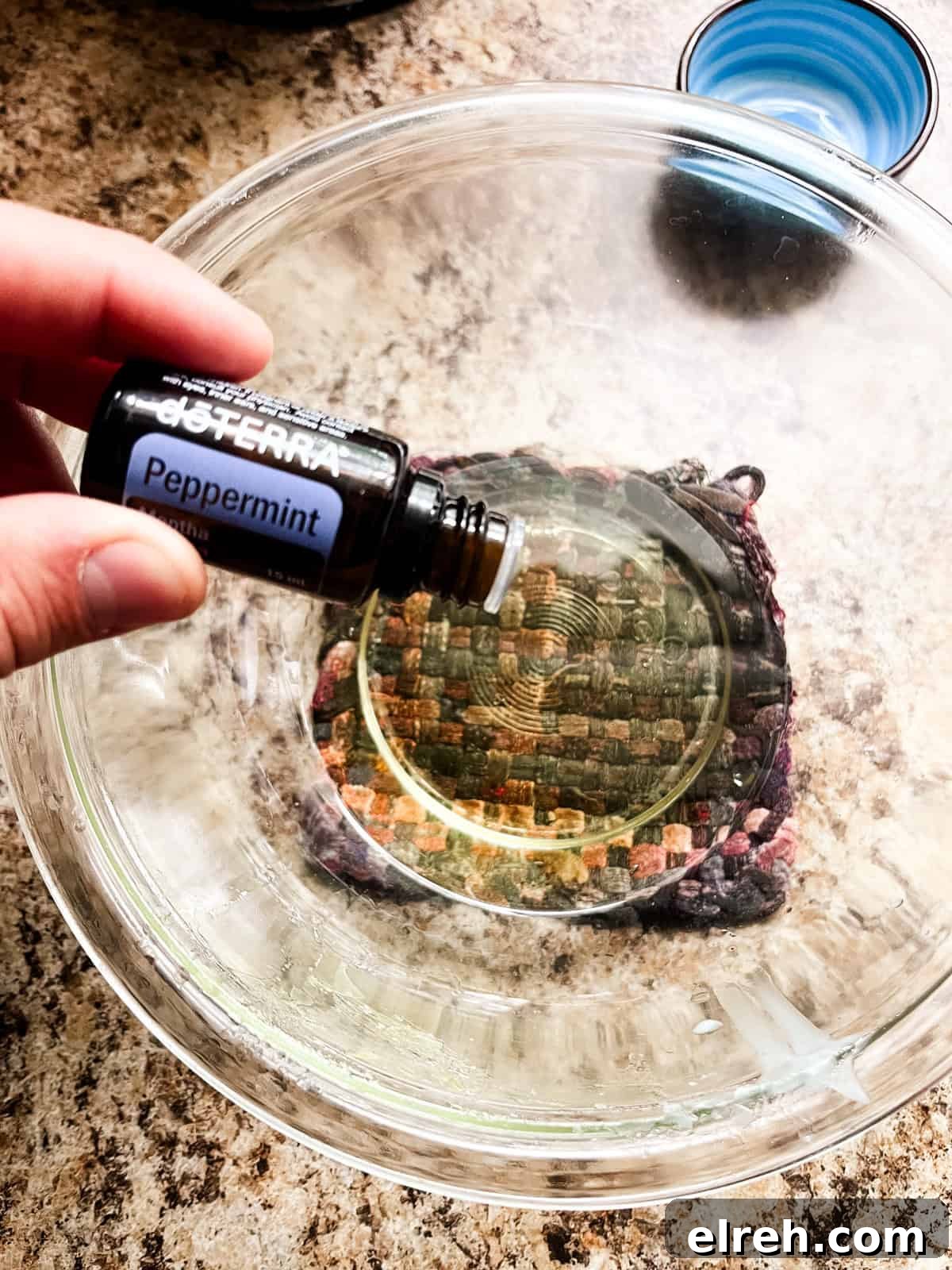
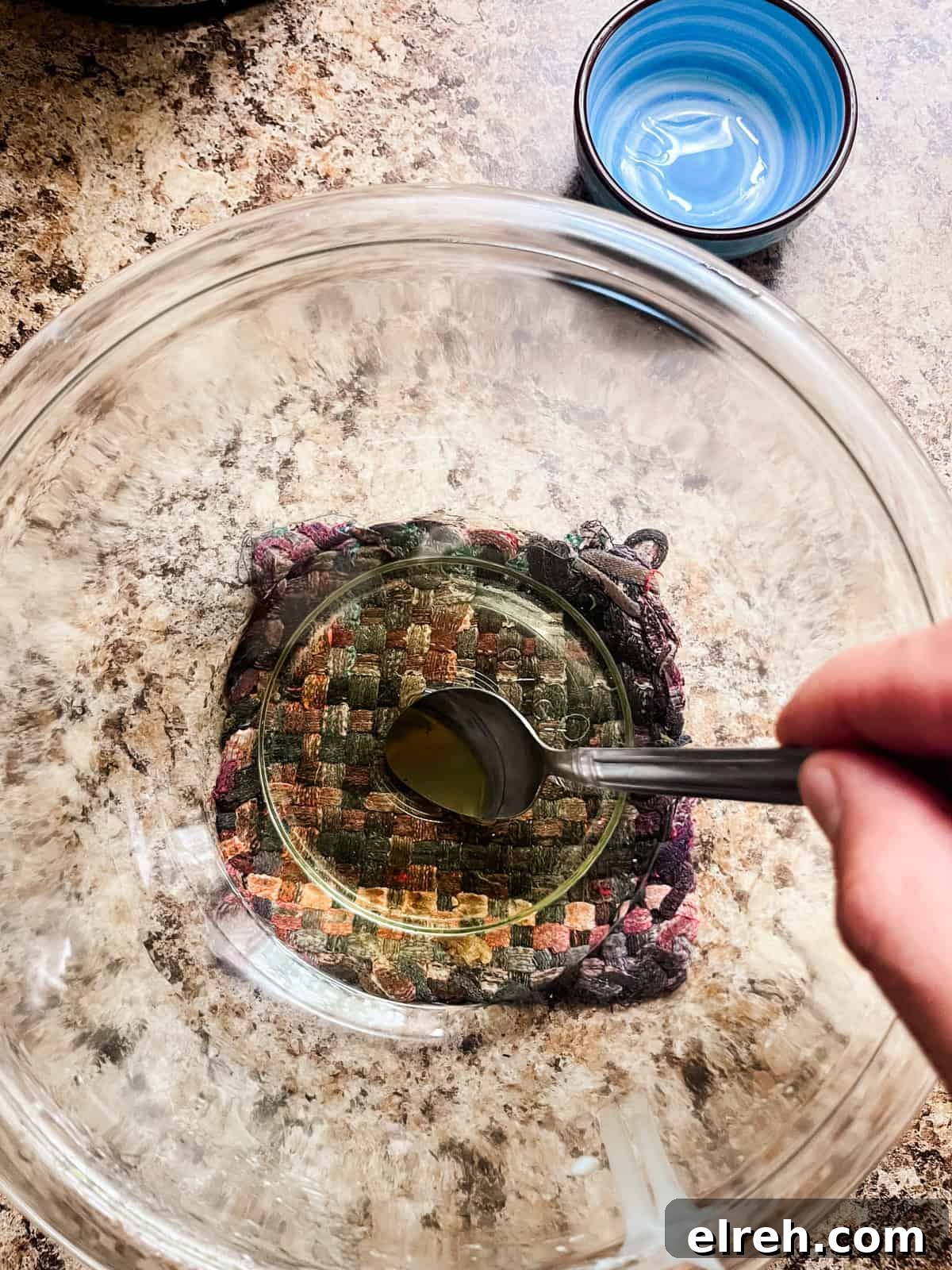
Step 2. Remove the mixture from heat. Add vitamin E oil and any essential oil you prefer. Stir thoroughly so the oils are evenly distributed.
Step 3. Carefully pour the warm liquid into prepared tins or tubes. Pour slowly to avoid spills and to achieve a smooth surface.
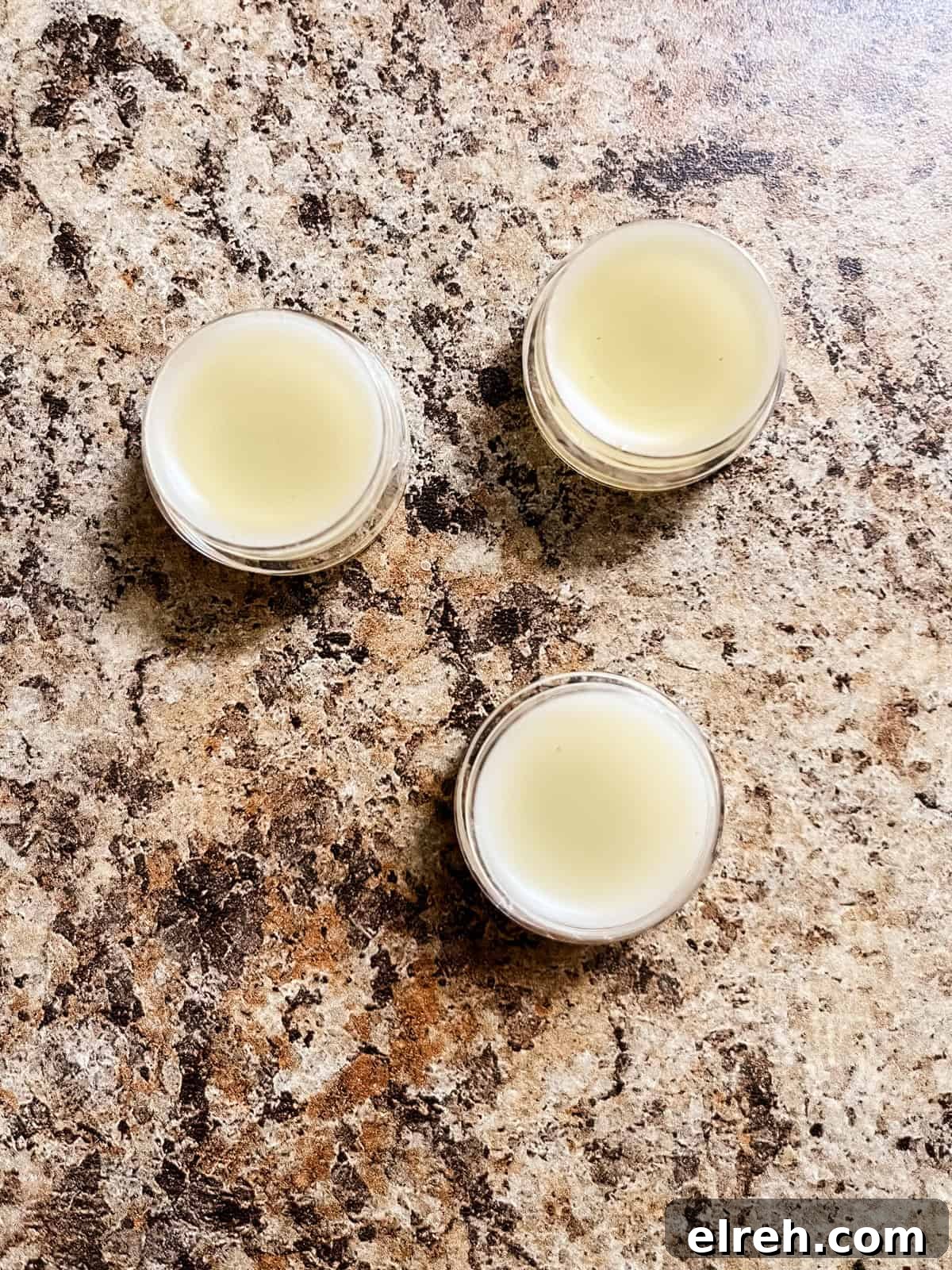
Step 4. Allow the balm to cool and solidify at room temperature. Once completely set, cap the containers and store them in a cool, dry spot.
Helpful Tips
- Adjust beeswax to control firmness: more beeswax yields a stiffer balm, less yields a softer finish.
- If you’re scent-sensitive, reduce the essential oil to a few drops or leave it out for an unscented balm.
- Keep lip balm away from high heat. In very warm weather, store tins in the refrigerator to prevent melting.
- Add a small pinch of mica if you want a subtle tint. Use only cosmetic-grade mica and add sparingly until you reach the desired shade.
- Sanitize containers and utensils before filling to extend the product’s freshness and reduce contamination risk.
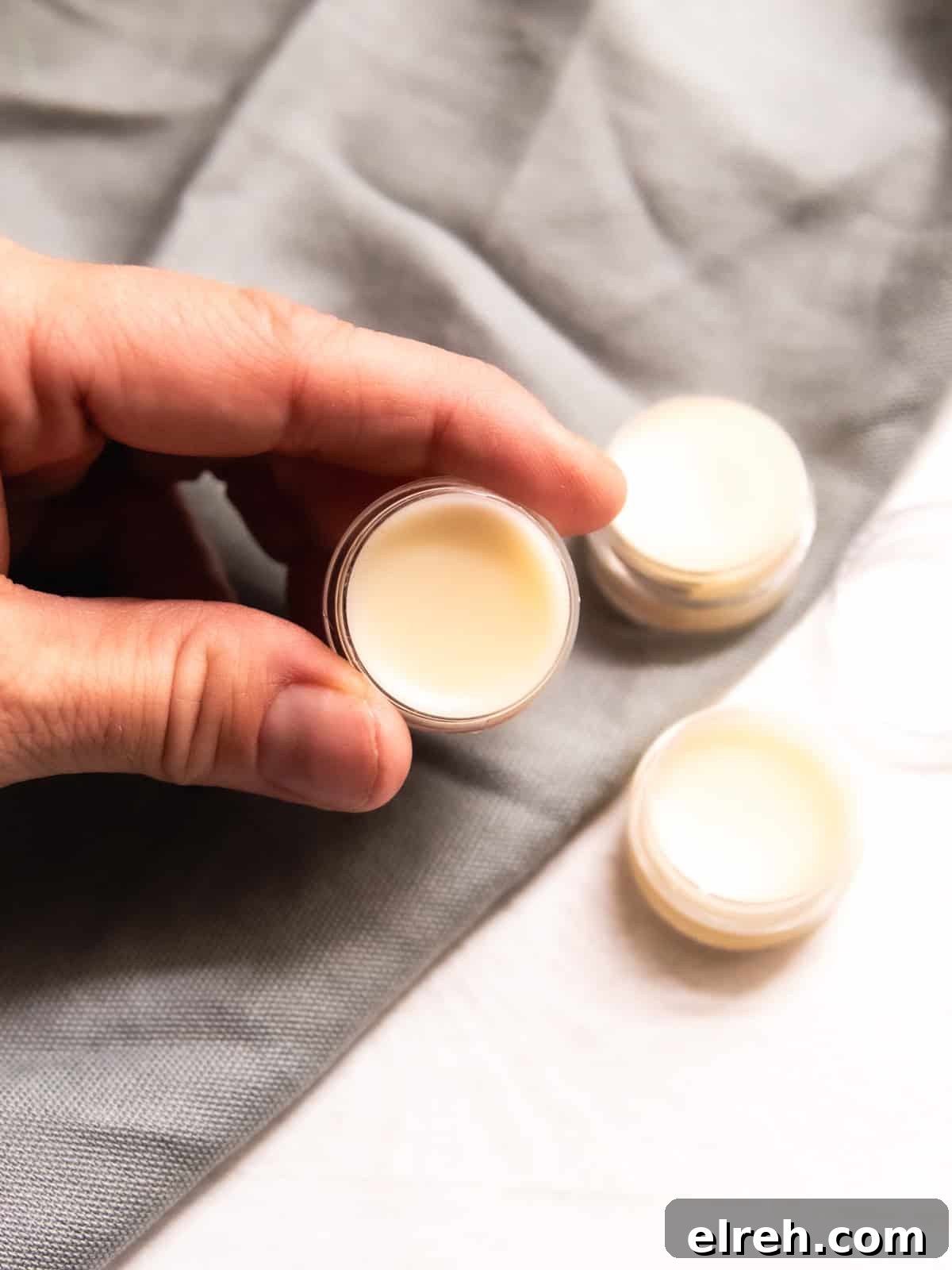
Tallow Lip Balm Recipe
Prep: 5 mins | Active: 20 mins | Total: 25 mins | Yield: about 3 small containers
Equipment
- Double boiler (or a heat-safe bowl over a small pot of simmering water)
- Small tins or twist-up lip balm tubes
- Measuring scale or measuring spoons
- Spoon or small whisk for stirring
Ingredients
- 2 oz beef tallow
- 0.75 oz beeswax
- About 10 drops vitamin E oil (approximately 0.01 oz)
- About 20 drops peppermint essential oil (approximately 0.02 oz) — optional
Instructions
- Weigh the tallow and beeswax and place them in a double boiler. Heat gently until fully melted, stirring occasionally.
- Remove from heat. Stir in vitamin E oil and essential oil, if using, until uniformly combined.
- Pour the melted mixture into prepared containers. Work carefully to avoid splashes and to fill evenly.
- Let the filled containers cool and harden completely at room temperature. Once set, close the lids and label each container if desired.
- Store finished balms in a cool, dry place away from direct sunlight. Use within the shelf life indicated by the tallow you used.
Recipe FAQ
What is tallow?
Tallow is rendered animal fat, commonly from cattle or sheep. It is used for cooking and skincare and is prized in homemade creams and balms for its emollient properties.
Is tallow vegan?
No. Tallow is an animal-derived fat and is not suitable for vegans. For a vegan alternative, consider using plant-based oils such as shea butter, coconut oil, or cocoa butter in similar formulations.
Does tallow have a scent?
Pure rendered tallow can have a mild scent. In small, well-rendered batches the aroma is often faint and can be masked or complemented by essential oils if desired.
How long will this lip balm last?
Shelf life depends largely on the quality and expiration date of your tallow and added oils. Follow the shortest expiration among your ingredients and store the balm in a cool, dry place to maximize freshness.
More DIY Lip Care Ideas
- Coconut oil lip scrub
- Homemade lip oil for extra moisture
- Simple DIY lip gloss
- Natural lip plumper made at home
- Two-way lip mask: a hydrating or exfoliating option
If you make this tallow lip balm, please leave a star rating and a comment to share your experience. Your feedback helps improve future recipes and variations.
Note: This recipe is intended for personal use and enjoyment. It is not medical advice. Perform a small patch test before applying any new product broadly, and consult a professional for specific skin concerns.