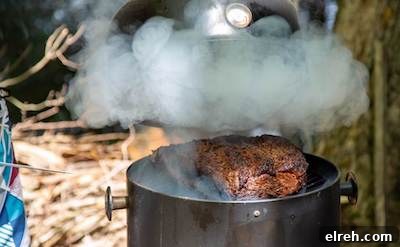
Smoking a brisket is one of the most rewarding barbecue projects, but it can also be one of the slowest. A large packer brisket can take most of the day, and sometimes part of the night, before it becomes tender enough to slice. If you want to smoke brisket faster without ruining the bark, drying out the meat, or ending up with a chewy result, the key is to use smart time-saving techniques rather than rushing the cook blindly.
There are several practical ways to reduce brisket cook time while still protecting flavor and texture. Wrapping the brisket in foil or butcher paper helps it push through the stall faster by trapping heat and moisture. Raising the pit temperature after wrapping can also shorten the cook by one or two hours. Cooking at around 275°F instead of 225°F will move the brisket along more quickly, and finishing it in the oven can provide steady heat when the smoker is struggling. Other helpful methods include preheating the smoker properly, choosing a smaller or better-marbled brisket, avoiding unnecessary lid openings, and skipping spritzing if speed is your main goal.
Key Points
- Wrapping brisket in foil or butcher paper can reduce cook time by helping the meat move through the stall.
- Raising the smoker or oven temperature after wrapping can save one to two hours.
- Finishing brisket in the oven provides steady heat and can make the second half of the cook more predictable.
- The hot and fast brisket method can dramatically reduce total cooking time, although the texture may differ from low and slow brisket.
- Preheating the smoker helps avoid a slow start and keeps the cook on schedule.
- Skipping spritzing or mopping prevents heat loss and helps the brisket cook faster.
- Keeping the smoker lid closed reduces temperature swings and saves time.
- Choosing a well-marbled brisket can help the meat cook more efficiently and stay juicy.
- Separating the flat and point can shorten the cook time compared with smoking a whole packer brisket.
- Removing the water pan or finishing in the oven can help when you need a faster brisket cook.
10 Ways To Speed Up A Brisket
| Technique | Estimated Time Reduction |
|---|---|
| Wrapping in foil or butcher paper | 1-2 hours |
| Increasing temperature after wrapping | 1-2 hours |
| Finishing in an oven | Varies |
| Hot and fast method at 300-350°F | Several hours |
| Skipping spritzing or mopping | Varies |
| Keeping the smoker lid closed | Varies |
| Choosing a well-marbled brisket | Varies |
| Separating the flat and point | Several hours |
| Removing the water pan | Varies |
| Using the oven after smoking in an electric smoker | Varies |
1. Wrapping Brisket Can Save Two Hours
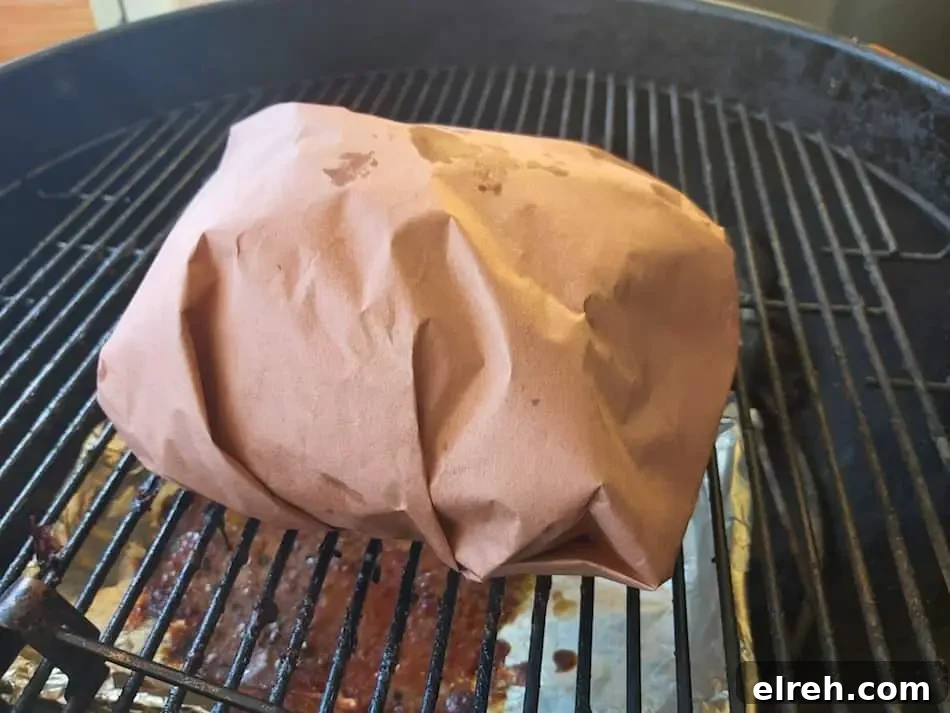
Wrapping is one of the most effective ways to speed up brisket cook time. During a normal smoke, brisket often stalls when the internal temperature reaches about 150°F to 160°F. At this point, moisture evaporates from the surface of the meat and cools it down, slowing the rise in internal temperature.
When you wrap the brisket in foil or butcher paper, you reduce evaporation and trap heat around the meat. This helps the brisket push through the stall much faster. In many cases, wrapping can save one to two hours, depending on the size of the brisket, the pit temperature, and how long the stall lasts.
Foil is the fastest option because it seals tightly and creates more steam. However, it can soften the bark and give the brisket a slightly braised texture. Butcher paper is more breathable, so it helps preserve a firmer bark while still speeding up the cook. If bark texture matters to you, butcher paper is often the better choice. If speed is the priority, foil is usually the fastest.
2. Raise The Temperature After Wrapping
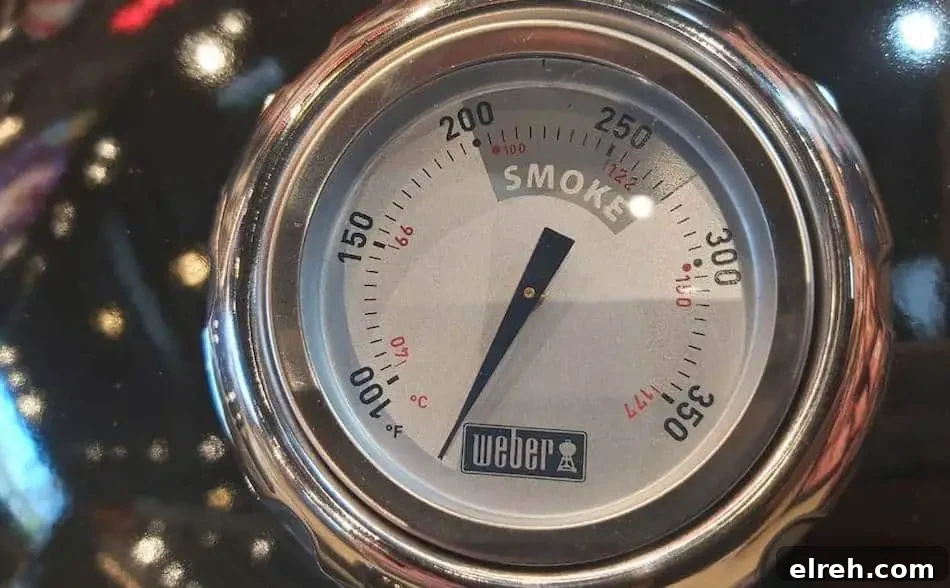
Brisket is commonly smoked in the 225°F to 275°F range. If you begin the cook at a lower temperature, you can safely raise the smoker temperature after the brisket is wrapped. Once wrapped, the meat is protected from direct airflow and surface drying, so it can handle a higher cooking temperature more easily.
Increasing the smoker to around 275°F after wrapping can reduce the total cook time by one to two hours. This is especially useful during the second half of the cook, when the brisket has already absorbed smoke and the bark has developed. At that stage, the goal is no longer heavy smoke flavor; it is to finish rendering the fat and connective tissue until the brisket becomes tender.
Use a reliable meat thermometer and focus on tenderness rather than time alone. Brisket is usually ready somewhere between 195°F and 203°F internal temperature, but the best test is whether a probe slides into the thickest part with little resistance.
3. Finish in the Oven
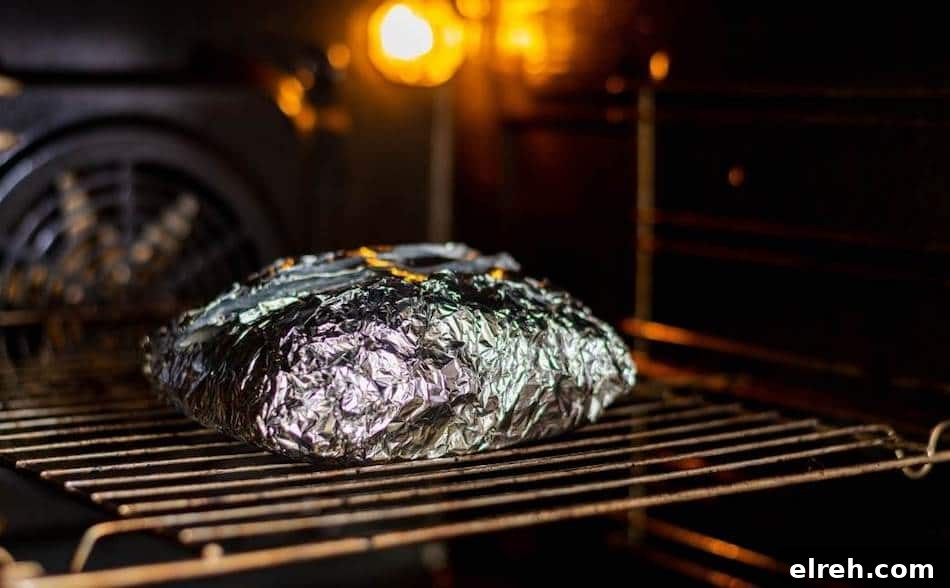
There is nothing wrong with finishing brisket in the oven once it has been wrapped. By the time the brisket reaches the wrapping stage, it has already spent several hours in the smoker, absorbed smoke, and developed its bark. From that point on, steady heat is often more important than additional smoke.
An oven offers a consistent temperature, which can be helpful if your smoker is difficult to control, if the weather is cold or windy, or if you are burning through too much fuel. After wrapping the brisket, transfer it to a preheated oven and continue cooking until it reaches the proper tenderness. This method can make the cook more predictable and may help you finish sooner.
Keep a thermometer in the meat so you can monitor the internal temperature without opening the oven repeatedly. If you raise the oven temperature, do it carefully and avoid rushing the brisket so much that it dries out before the connective tissue has broken down.
4. Try a Hot and Fast Brisket
The hot and fast brisket method is designed for cooks who want brisket done in much less time. Instead of smoking at 225°F, this method uses a higher temperature, often around 300°F to 350°F. A hot and fast brisket can cook in a fraction of the time required for a traditional low and slow brisket.
This approach works best with a well-marbled brisket. A lean brisket is more likely to dry out at higher temperatures, while a brisket with more intramuscular fat has a better chance of staying moist. Leaving a reasonable fat cap on the brisket can also help protect it during the higher-heat cook.
Hot and fast brisket can be delicious, but it will not always have the same texture, smoke depth, or tenderness as brisket cooked low and slow. The meat has less time to absorb smoke and less time for the connective tissue to slowly render. Still, if your goal is to cook brisket faster and you manage the process carefully, it is a useful method to try.
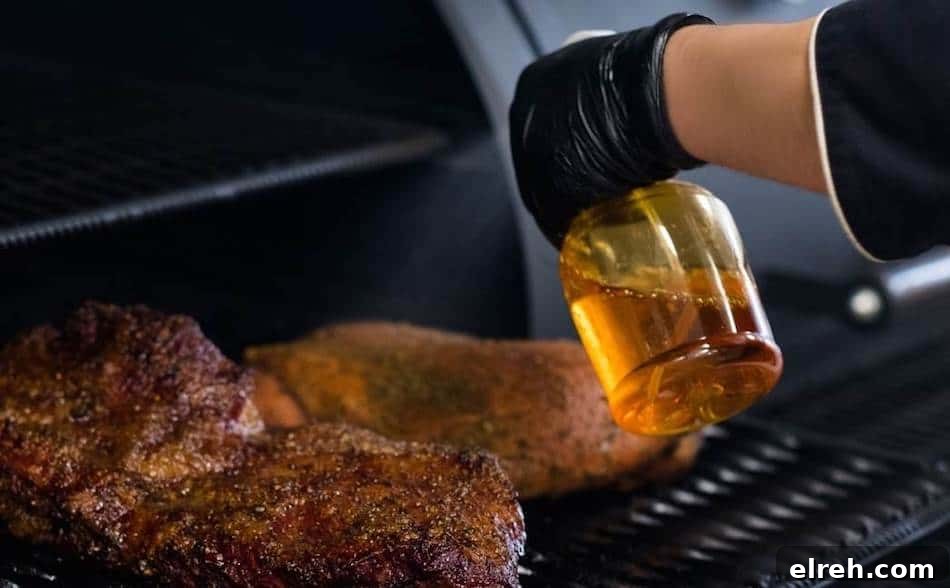
5. Spritzing Will Slow The Cook
Spritzing or mopping brisket is popular because it can help keep the surface moist and build layers of flavor. However, if your goal is to speed up a brisket, spritzing works against you. Every time you wet the surface of the meat, evaporation cools it down. This can extend the stall and slow the overall cook.
Another issue is heat loss. Each time you open the smoker lid to spritz or mop, heat escapes. The smoker then needs time to recover, which can add more time to the cook. If you want the brisket done sooner, keep the lid closed and skip the spritzing stage.
Spritzing is not essential for a good brisket. A properly seasoned brisket cooked at a stable temperature can still develop a flavorful bark without being sprayed every hour. If speed matters more than adding extra surface moisture, leave the brisket alone until it is ready to wrap.
6. Don’t Open The Lid Of Your Smoker
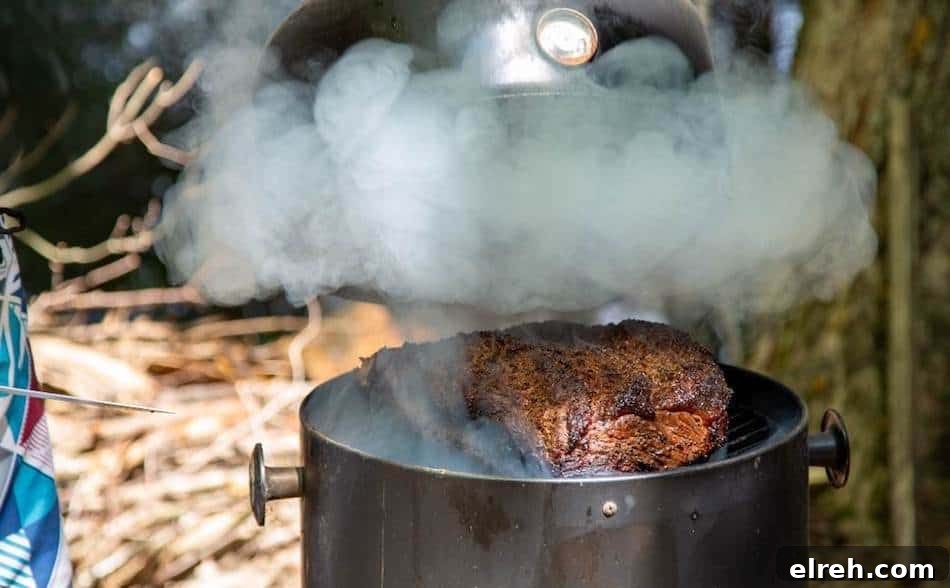
Opening the smoker too often is one of the easiest ways to slow down a brisket cook. Each time the lid comes up, the temperature inside the smoker drops. Depending on your cooker, it may take several minutes or longer to return to the target temperature.
Instead of checking the brisket constantly, use a thermometer with probes for both the smoker and the meat. This allows you to monitor the cook without disturbing the heat. A stable cooking environment is one of the most important factors when trying to smoke brisket faster.
Good brisket requires patience, but that does not mean you need to keep looking at it. Keep the lid closed, maintain steady heat, and only open the smoker when you need to wrap, check tenderness, or remove the meat.
7. Marbled Briskets Cook Faster
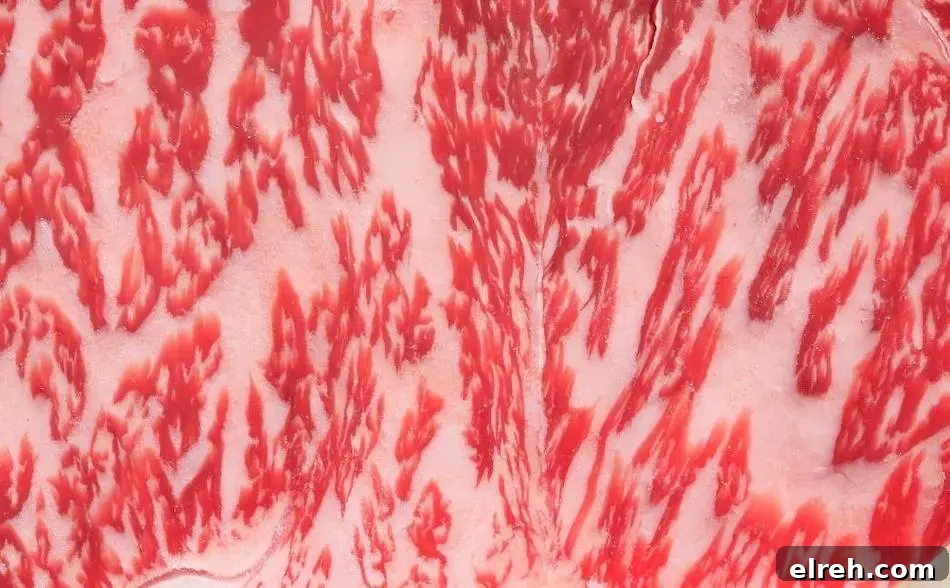
A well-marbled brisket is usually easier to cook than a lean one. Marbling helps the meat stay moist and improves tenderness as the fat renders during the cook. Lean briskets can be more difficult because they have less internal fat to protect them from drying out.
If you want a brisket that cooks efficiently and has a better chance of staying juicy, choose one with good marbling. A higher-quality brisket will usually cost more, but it can be more forgiving, especially if you are cooking at higher temperatures or trying to shorten the overall cook time.
Marbling also affects texture. As the fat and connective tissue break down, they help create the soft, rich mouthfeel that makes smoked brisket so popular. Choosing the right brisket before you start can make the entire cook easier.
8. Split The Brisket – Separate The Two Muscles
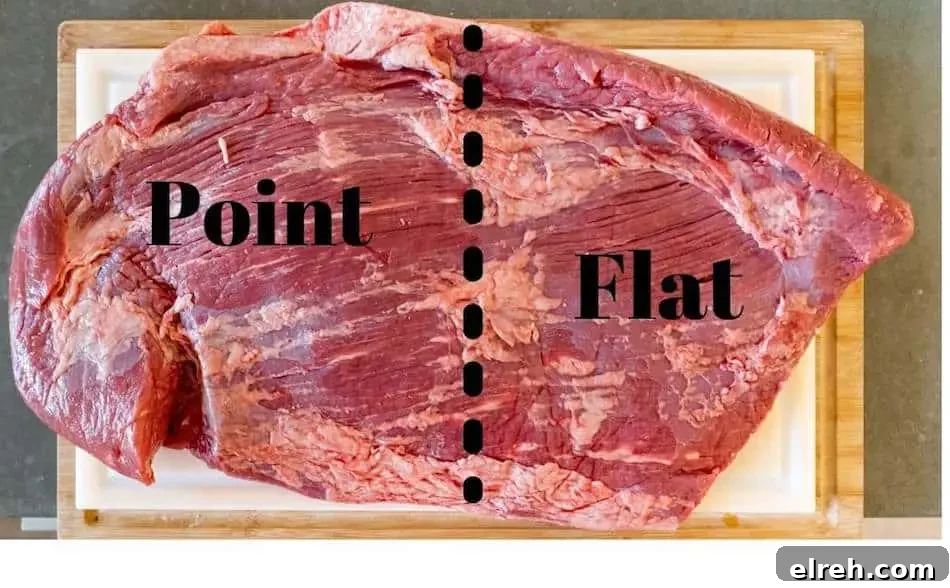
A full packer brisket is made up of two muscles: the flat and the point. Cooking the whole brisket together can take a long time because the meat is thick and uneven. If you separate the flat from the point, each section can cook more quickly and more evenly.
The flat is leaner and thinner, so it needs careful handling to prevent it from drying out. Some cooks place fat trimmings above the flat so rendered fat can drip over the meat. The point contains more fat and is generally more forgiving, making it easier to cook without drying out.
Separating the two muscles may not give you the same presentation as a whole packer brisket, but it can save several hours and gives you more control over each cut. This is a practical option when time is limited.
9. Remove the Water Pan
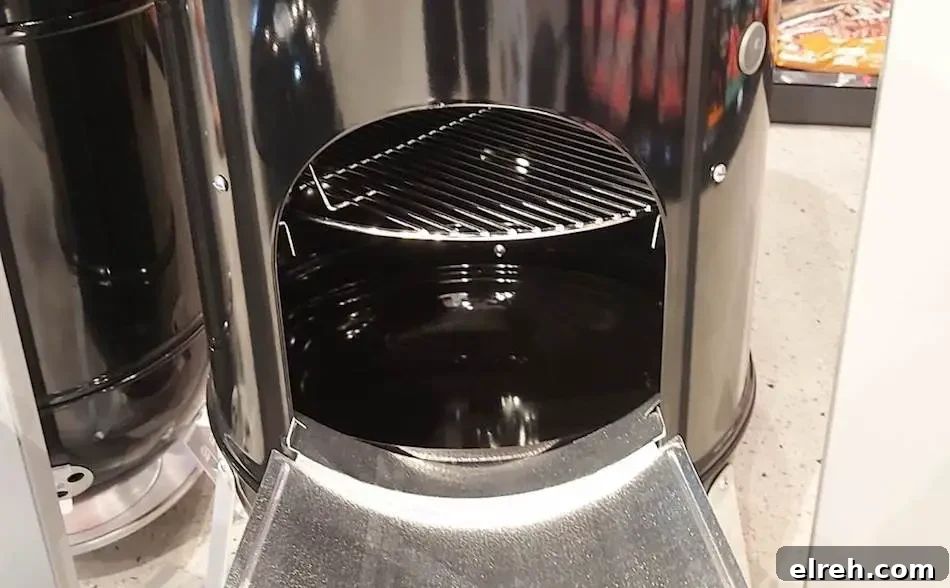
Many charcoal smokers use a water pan to add moisture and help regulate temperature. A water pan can be useful for long, steady barbecue cooks, but it can also slow things down. Water absorbs heat, and as it evaporates, it helps keep the cooking environment humid and stable.
If your main goal is to finish brisket faster, removing the water pan can help the smoker run hotter and recover temperature more quickly. This may reduce cook time, especially if your smoker struggles to climb above the lower smoking range.
However, removing the water pan means you need to watch the pit temperature carefully. Without water acting as a buffer, temperatures may rise or fluctuate more easily. Use this method only if you can control your smoker well.
10. Electric Smokers Don’t Get Hot Enough
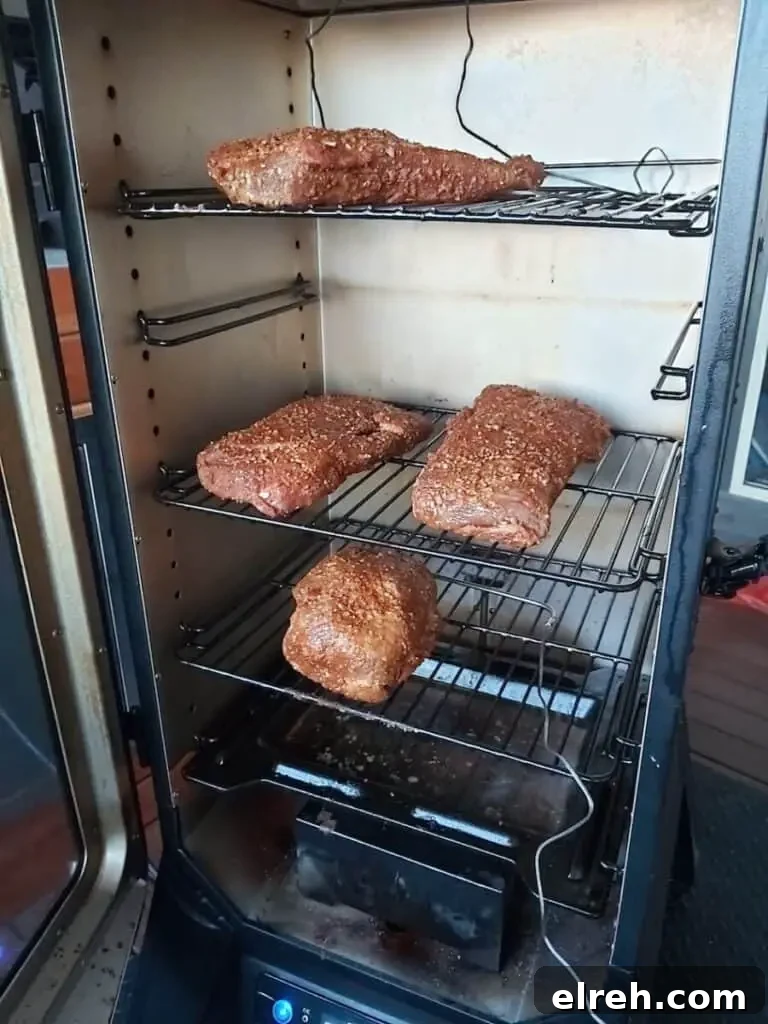
Electric smokers are convenient, but some models struggle to reach or maintain higher temperatures such as 275°F. This is not a major problem for many types of meat, but it can be frustrating when you are trying to cook brisket faster.
A good solution is to use the electric smoker for the first part of the cook, when smoke flavor and bark development matter most. Once the brisket reaches the wrapping stage, move it to the oven to finish. This gives you the smoke you want early and the steady heat you need later.
This method is especially useful in cold weather, when electric smokers may have trouble maintaining heat. It also saves time and makes the finish more predictable.
Don’t Remove Your Brisket Too Soon
Even when you are trying to speed up a brisket, do not pull it from the smoker too early. Brisket needs time for tough connective tissue to break down. If you remove it as soon as it reaches a basic safe eating temperature, it may be cooked but still tough and chewy.
The best brisket texture develops late in the cook, when fat and collagen render into a rich, tender consistency. Most briskets become tender somewhere around 195°F to 203°F internal temperature, but temperature is only a guide. Always check tenderness with a probe. When it slides into the meat with little resistance, the brisket is ready to rest.
Resting is also important. After cooking, let the brisket rest before slicing so the juices can redistribute and the texture can settle. You can use faster cooking methods, but brisket still rewards patience. The goal is not just to finish sooner; it is to finish sooner while still serving tender, juicy smoked brisket.