Small Batch Baking Tips for Two
Small batch baking is perfect when it’s just the two of you—whether you’re single, dating, newlyweds, or empty nesters. These tips will help you bake flavorful, well-balanced desserts without creating waste or temptation for a week.
I’ve been baking for as long as I can remember. Baking became my career, but even before that I was happiest experimenting with recipes, testing textures, and learning how ingredients behave. The kitchen has always been where my family gathers—between cooking, tasting, and reading cookbooks. I loved watching my mom cook as a child, and now I do the same with my little one. Good things always happen in the kitchen.
For me, baking is about the process as much as the final bite. I enjoy combining pantry staples into something new, learning from each attempt, and savoring that moment when a recipe comes out of the oven exactly right. Baking brings people together, encourages a pause in the day, and gives everyone an excuse to enjoy something made with care.
Here are three key things to focus on when you’re doing small batch baking for holidays or everyday treats:
- Choose high-quality ingredients.
- Learn the art of scaling down recipes.
- Use the right small bakeware.
Ingredients
Start with a well-stocked pantry. High-quality ingredients make a noticeable difference in small batches because flavors aren’t diluted by volume. Opt for full-fat dairy like sour cream and whole milk when a recipe calls for them, choose a vanilla extract that smells rich and complex, and keep a good-quality chocolate or cocoa on hand for the best results.
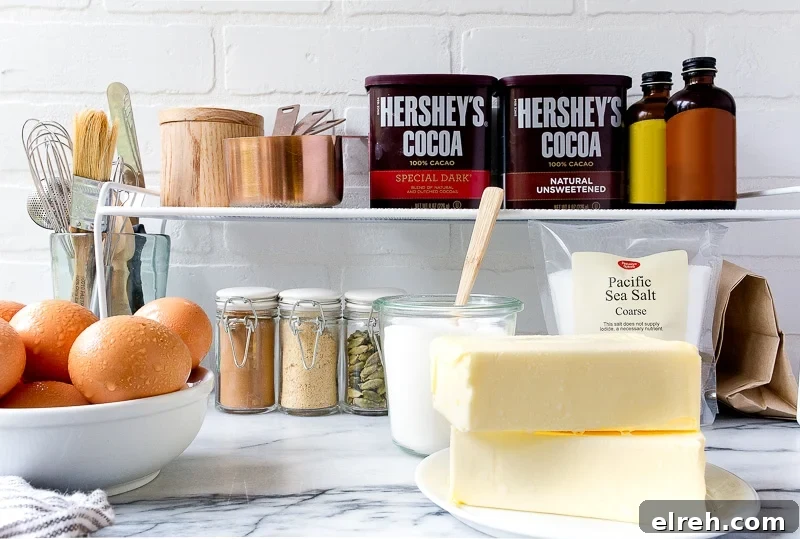
I always keep both dark cocoa powder and unsweetened cocoa powder available. Dark cocoa can bring extra depth to cakes, frostings, truffles, and even hot chocolate. For an easy hot chocolate, try one scoop of cocoa powder, one scoop of powdered sugar (or coconut sugar), and hot milk. A splash of vanilla, peppermint, or a pinch of instant espresso powder elevates it beautifully.
Small Batch Baking: The Art of Scaling Down
Scaling down recipes is part math and part kitchen intuition. If you want a small batch version of a recipe you already love, make the full-size version first. Taste it, note textures and flavors, and then halve the recipe to experiment. Here’s a practical approach I use:
- Make the full-size recipe once to learn how it behaves and tastes.
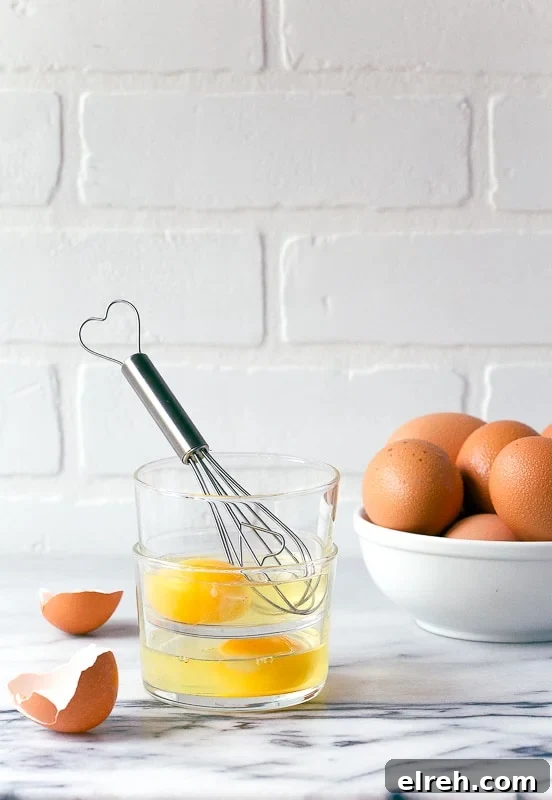
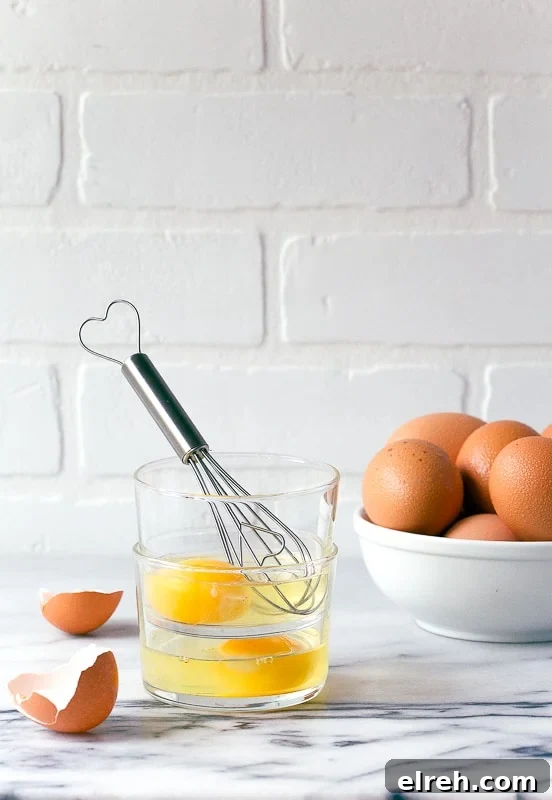
- Make the recipe again at half size. If a recipe calls for an odd number of eggs, decide whether to use a yolk or a white: for cakes, an egg white often helps with lift; for dense, chewy cookies, a yolk can add richness. Sometimes I use part of an egg and sometimes I just use a whole egg—trial and error is normal.
- When halving dry measures, remember that 1 cup equals 16 tablespoons. Half a cup is 8 tablespoons, a quarter cup is 4 tablespoons, and so on. I often use combinations like 1/4 cup plus 2 tablespoons when scaling recipes.
- Bake and compare. Taste the halved version alongside the full-size one. If the cake sinks, there may be too much liquid. If cookies spread too much, try a touch more flour. Make adjustments and try again until the texture and flavor meet your expectations.
It rarely becomes a perfect mathematical cut; tweaking is part of the craft. Some recipes may take several attempts to match the full-size result, but the time spent is worth having a reliably scaled small-batch recipe you can repeat.
Specialty Bakeware
Having a few small pans makes mini baking easier and more precise. If you’re just starting, a muffin pan and a couple of oven-safe mugs go a long way for individual servings like mini muffins, mug cakes, or bread puddings.
Useful small-batch bakeware to consider:
- 6-inch round cake pan for mini layer cakes or single-layer cakes that satisfy a chocolate craving without creating an entire sheet cake.
- Quarter sheet pan for baking just a few cookies at a time—cookies are often the trickiest to scale, but a small pan helps control spread and bake time.
- Small muffin pan for mini pies, individual quick breads, and batches of muffins that won’t overwhelm your fridge.
- Ramekins for individual desserts like crème brûlée, puddings, or molten chocolate cakes. They’re versatile and great for portion control.
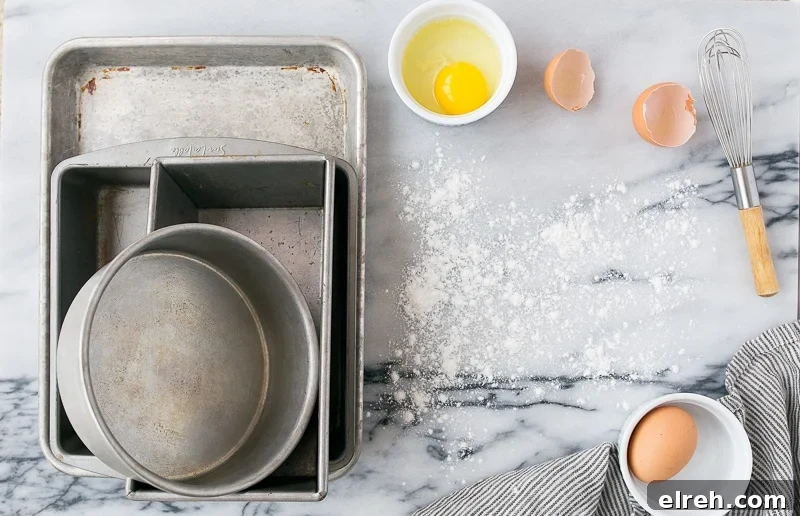
To recap your holiday baking plan: choose the best ingredients you can, learn the basics of scaling a recipe down and be prepared to tweak, and match the recipe to appropriately sized bakeware.
If you have questions or want help scaling a particular recipe, reach out—chances are I’m in the kitchen baking and will respond when I can. Wishing you much small-batch baking joy this season.
So much small-batch baking love to you,
Christina