It’s apple harvesting time, and if you’re tired of the usual pies, chutneys and jellies, homemade apple cider vinegar is a terrific way to use surplus fruit. Reading Sandor Katz’s Fermenting Revolution 1 reminded me how straightforward and rewarding it is to make your own vinegar at home.
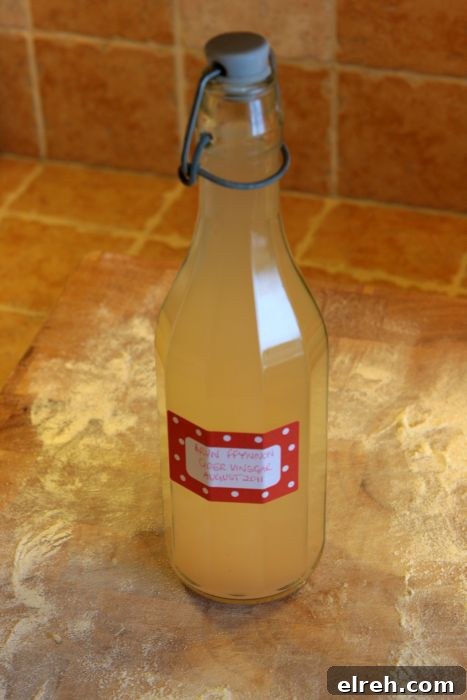
Making apple cider vinegar is essentially a two-stage fermentation: first the fruit ferments to alcohol, creating cider, and then naturally occurring acetobacter convert that alcohol into acetic acid, producing vinegar. It’s largely low-effort and low-cost, and the final product is flavorful and versatile in the kitchen.
Below is a simple, reliable apple cider vinegar recipe and practical tips to help you succeed the first time. Adjust quantities as needed and scale up once you’re confident with the process.
Apple cider vinegar recipe
The quantities below are approximate. Using more apples per litre of liquid will result in a stronger, fruitier vinegar. The method emphasizes exposure to air so the beneficial bacteria can establish themselves.
Choose a wide-mouthed container for fermentation—a large glass jar, ceramic crock or food-grade fermenting bucket works best. A wide opening increases surface area and encourages acetobacter activity.
Ingredients
6–12 apples (windfalls and bruised fruit are ideal; they ferment readily). You can use whole apples including skins, cores and seeds. Simply wash unusually dirty fruit.
1 litre water
100 g granulated sugar (regular white sugar is fine; sugar feeds the yeasts and helps fermentation).
Method
Roughly chop the apples into 2–3 cm pieces and place them in your container. There’s no need to remove cores or skins—these add flavor and encourage fermentation.
Warm a portion of the water to dissolve the sugar, then allow the sugar solution to cool to room temperature so you don’t kill natural yeasts. Pour the cooled sugar water over the apples and stir to mix.
Weigh the fruit down with a plate or a clean weight to keep it submerged below the liquid. Cover the container with a breathable cloth—muslin, a clean tea towel or fine cloth secured with an elastic band is ideal. The cover keeps dust and insects out while allowing air to reach the mixture.
Store the container in a warm, out-of-direct-sunlight spot. Check daily and give the mixture a gentle stir. Within a few days you should see bubbling from the fermentation; the apples will begin to smell like cider as yeasts convert sugars to alcohol.
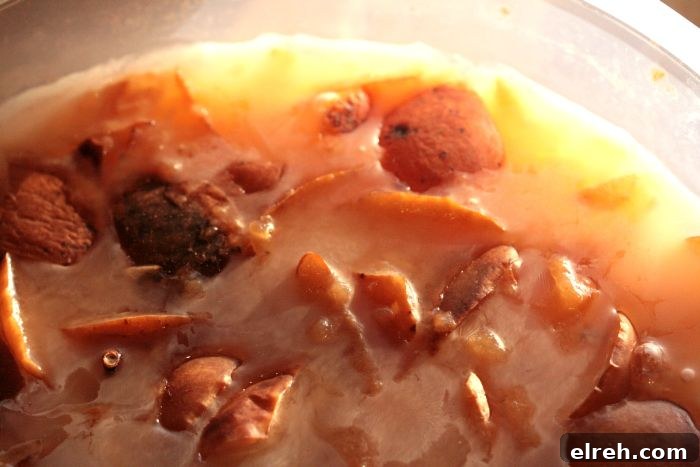
After about 7–10 days, when most of the fermentation activity has slowed and the fruit has softened, strain off the solids using a sieve or colander. Return the liquid to the container, cover again with cloth, and allow it to continue fermenting into vinegar. Over the next 1–3 weeks taste periodically; the sharp, acidic vinegar character will develop as acetobacter convert alcohol into acetic acid.
When the vinegar reaches a flavor you like, strain it once more and transfer it to sterilized bottles. Seal the bottles for storage. During fermentation you may notice a gelatinous film forming on the surface—this is the “mother of vinegar.” You can keep and reuse the mother to jump-start future batches, avoiding reliance on airborne bacteria.
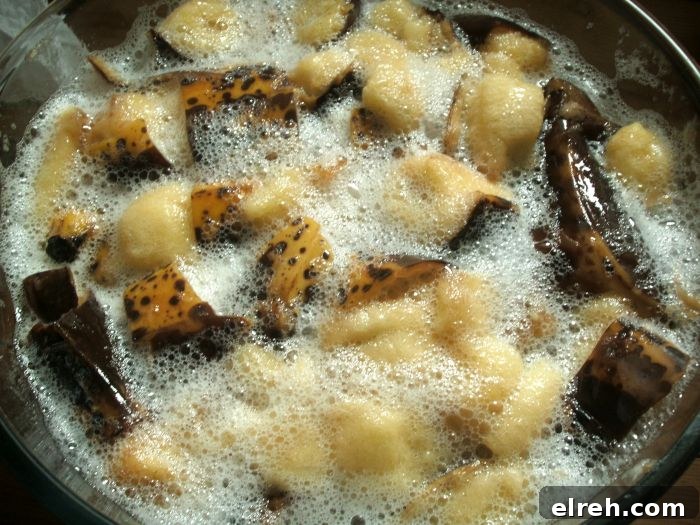
Vinegar made from apples is excellent for dressings, marinades, pickling and household uses. You can also experiment with other overripe fruit; for example, overly ripe bananas can be fermented into a sweeter, milder vinegar. The same basic method applies—fruit, sugar water, exposure to air and patience.
Troubleshooting tips: keep the ferment covered but ventilated, avoid using strong detergents that leave residues on equipment, and taste regularly so you stop fermentation at the acidity level you prefer. If you plan to store vinegar long-term, bottles should be clean and sealed; refrigeration is not necessary for stable, properly acidic vinegar.
I enjoyed my first batch so much that I’ve started several more—one batch with apples and another using overripe bananas. If you try this at home, let me know how it goes and what variations you experiment with.