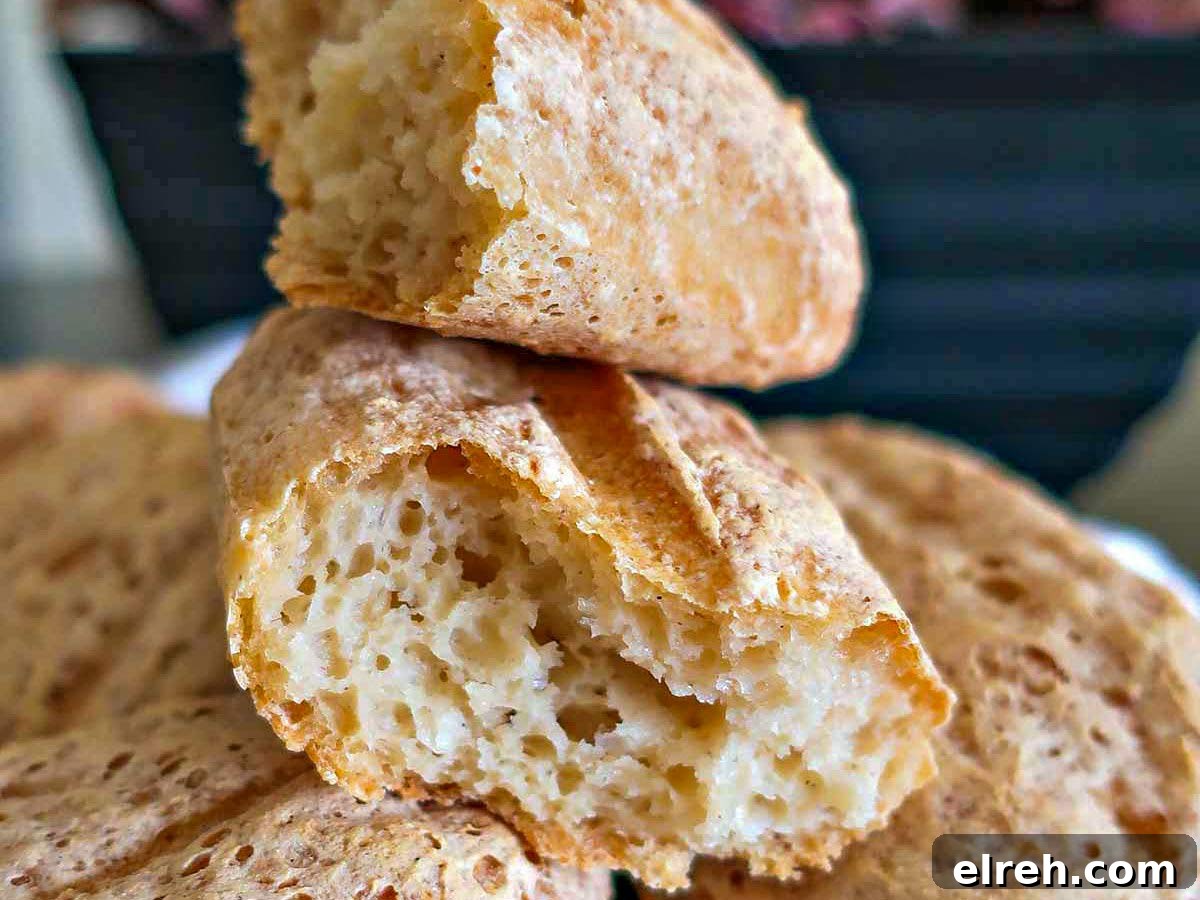
I’ve made countless gluten-free rolls and buns over the years, and not all are worth repeating. Too many turn out dense, dry, or fall apart. I kept testing, tweaking flour blends, adjusting hydration, and learning what truly makes a difference. These are the recipes I return to: soft, tender, and sturdy enough to hold together when you need them to.
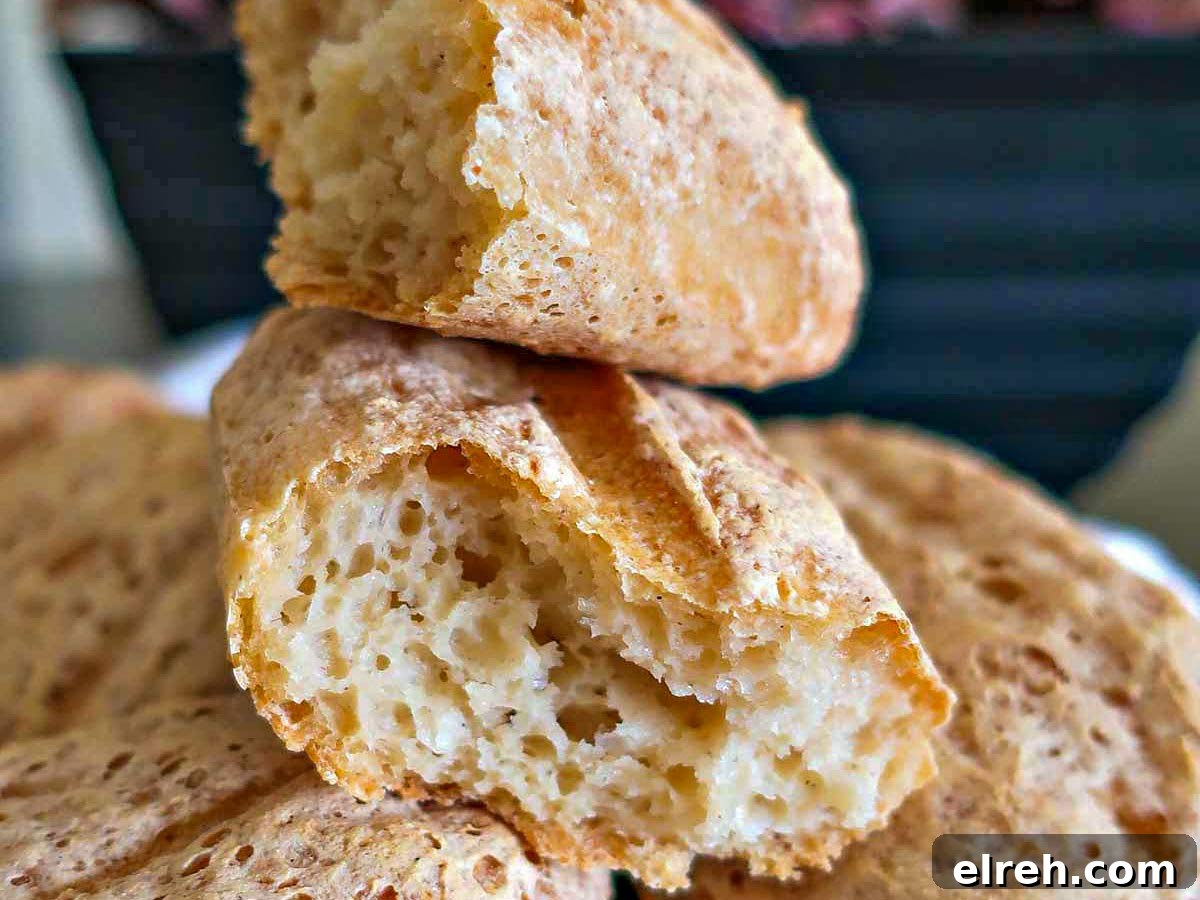
Whether you’re making dinner rolls, sandwich buns, or something a bit fancier, these recipes aim for reliable, consistent results without unnecessary complication.
Why Gluten-Free Rolls and Buns Are So Hard to Get Right
Gluten-free baking isn’t a simple one-to-one swap. Without gluten, dough loses the natural structure that traps gas and provides elasticity. That means:
- It needs more moisture than wheat-based dough.
- It depends on binders like eggs, psyllium husk, or functional starches for structure.
- Dough often looks softer—or even sticky—before baking.
- It can go from perfect to dry quickly if overbaked.
Once you understand these differences, the path to better results becomes much clearer.
Why Your Gluten-Free Rolls Didn’t Turn Out
If your rolls haven’t turned out as expected, here are the most common reasons and how to fix them:
- The flour blend: Not all gluten-free flours behave the same. A balanced blend is essential for good texture.
- Dough too dry: Gluten-free dough should be softer than you might expect—often slightly sticky. Adding extra flour usually makes rolls dense.
- Insufficient binders: Psyllium husk, eggs, and starches help hold the crumb together; don’t skip or drastically reduce them.
- Not enough rise time: Gluten-free doughs often need a little more rise time, even if they don’t look identical to wheat dough.
A practical habit that made a big difference for me is weighing flour instead of scooping. Gluten-free flours vary widely by volume; even a small excess of flour causes dry, heavy results. A kitchen scale keeps your recipes consistent every time.
How to Get Soft, Fluffy Gluten-Free Rolls Every Time
Soft, fluffy gluten-free rolls come down to a few high-impact techniques. Let the dough rest so it fully hydrates; this improves texture and structure. When shaping, use slightly wet hands rather than adding more flour—this keeps the rolls light. Avoid overworking the dough and resist the urge to add flour unless it’s truly necessary. Finally, watch baking time closely: gluten-free bakes can dry out quickly if left in too long.
Best Flour Blends for Gluten-Free Rolls and Buns
From extensive testing, blends that combine a neutral grain flour with starches tend to perform best. A reliable formula usually includes:
- Rice flour for body and mild flavor
- Potato starch for moisture and softness
- Tapioca starch for chew and elasticity
These components together strike a good balance of softness and structure when combined with appropriate binders.
Gluten-Free Rolls and Buns: Common Questions & Troubleshooting
Can you make gluten-free rolls that are soft?
Yes. With the right balance of moisture, starch, and binders, gluten-free rolls can be just as soft as traditional ones. Follow the recipe measurements and hydration guidance closely.
Why are my gluten-free buns dense?
Dense buns most often come from too much flour or insufficient hydration. Aim for a softer, slightly tacky dough rather than a stiff one.
Do gluten-free rolls need to rise twice?
Most gluten-free rolls only require one good rise before baking. Some enriched or laminated styles may benefit from additional proofing, but it’s usually unnecessary.
How do you keep gluten-free rolls from drying out?
Avoid overbaking and brush rolls with butter or oil right after they come out of the oven to lock in moisture. Store them in an airtight container at room temperature for a day or refrigerate for a few days. For longer storage, freeze for up to two months and reheat gently to restore softness.
11 Soft Gluten-Free Rolls and Buns Recipes
Gluten Free Portuguese Rolls
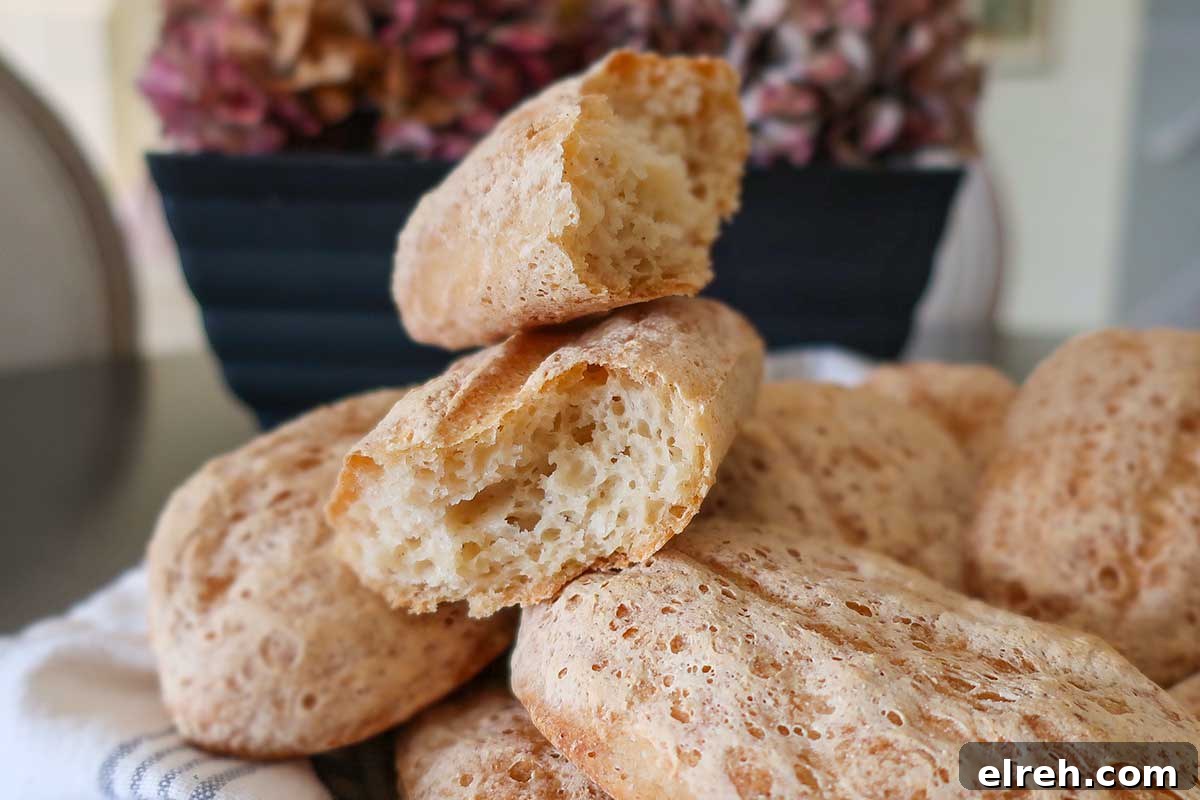
Soft, light Portuguese-style rolls that are dairy- and egg-free, using millet, sorghum, potato and tapioca flours with psyllium husk for a great crumb and crust.
Gluten-Free Potato Pan Rolls (Soft & Fluffy Pull-Apart)
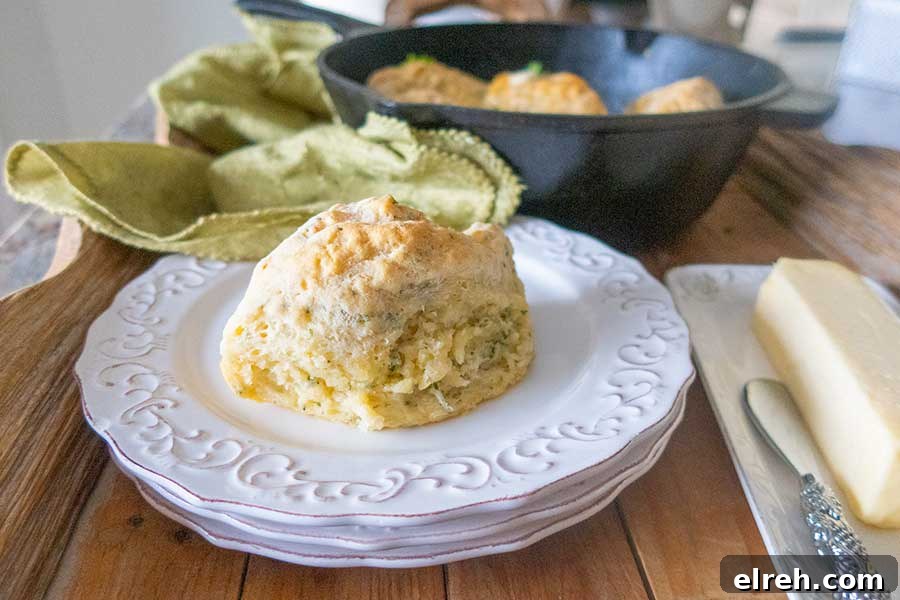
Bakery-style pull-apart rolls made with mashed potatoes for added moisture and structure—never dense or dry when done right.
Gluten-Free Parker House Rolls
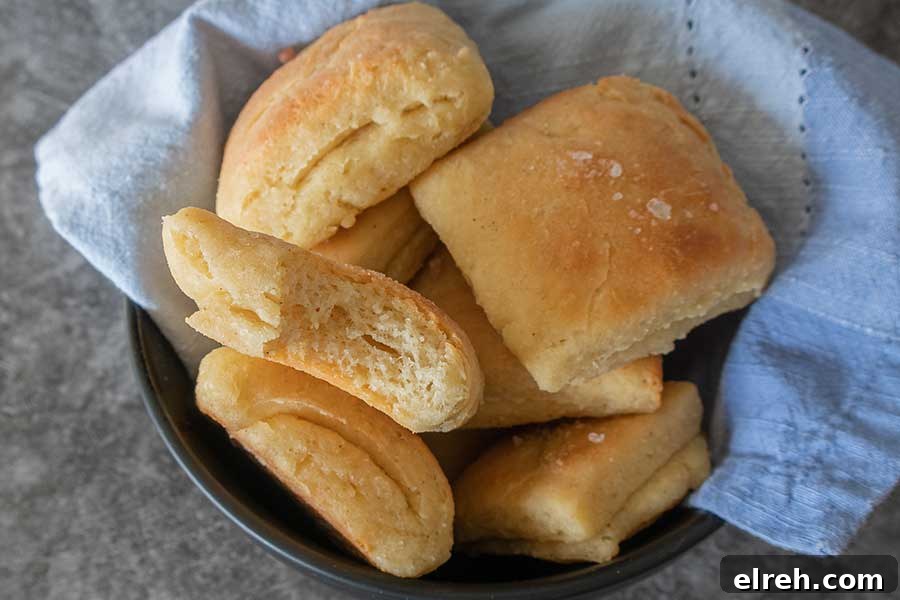
Buttery, folded rolls with a soft, tender interior—perfect for holidays and special meals.
Easy Gluten-Free Butter Rolls
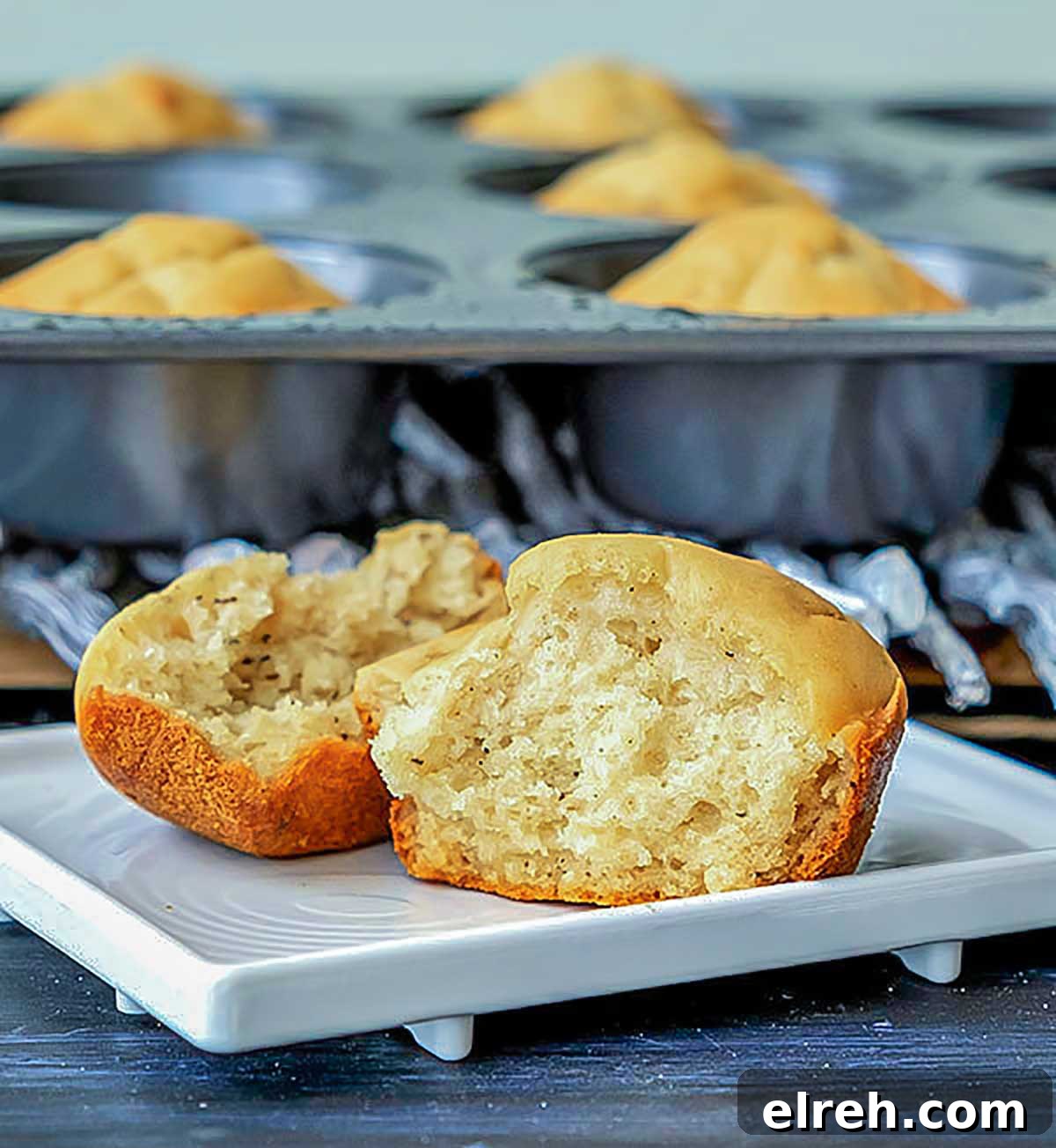
Yeast-free butter rolls that are quick to make and soft enough for soups, brunch, or breakfast spreads.
Easy Gluten-Free Hot Dog Buns
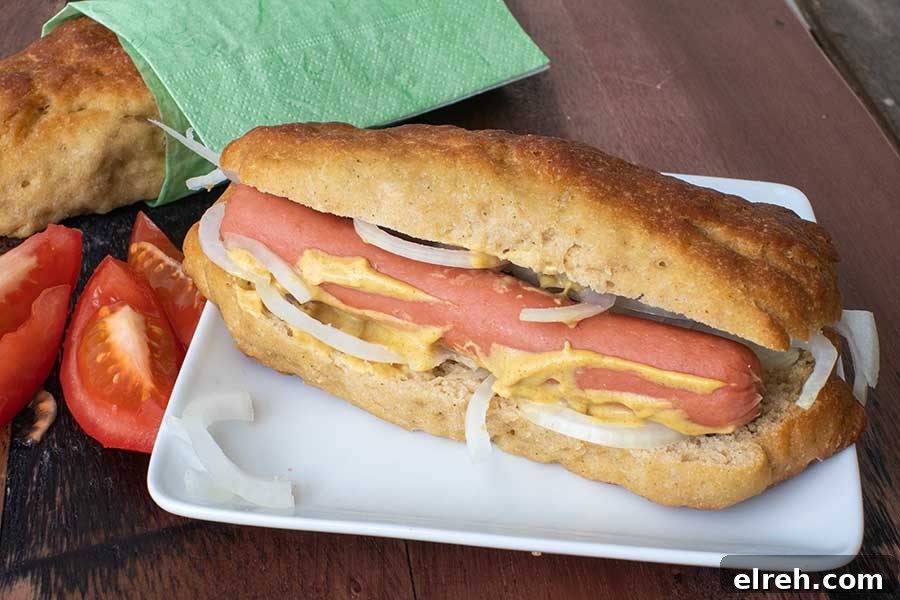
Soft, versatile hot dog buns that work for BBQs, burgers, and casual meals.
Gluten Free Milk Rolls Recipe
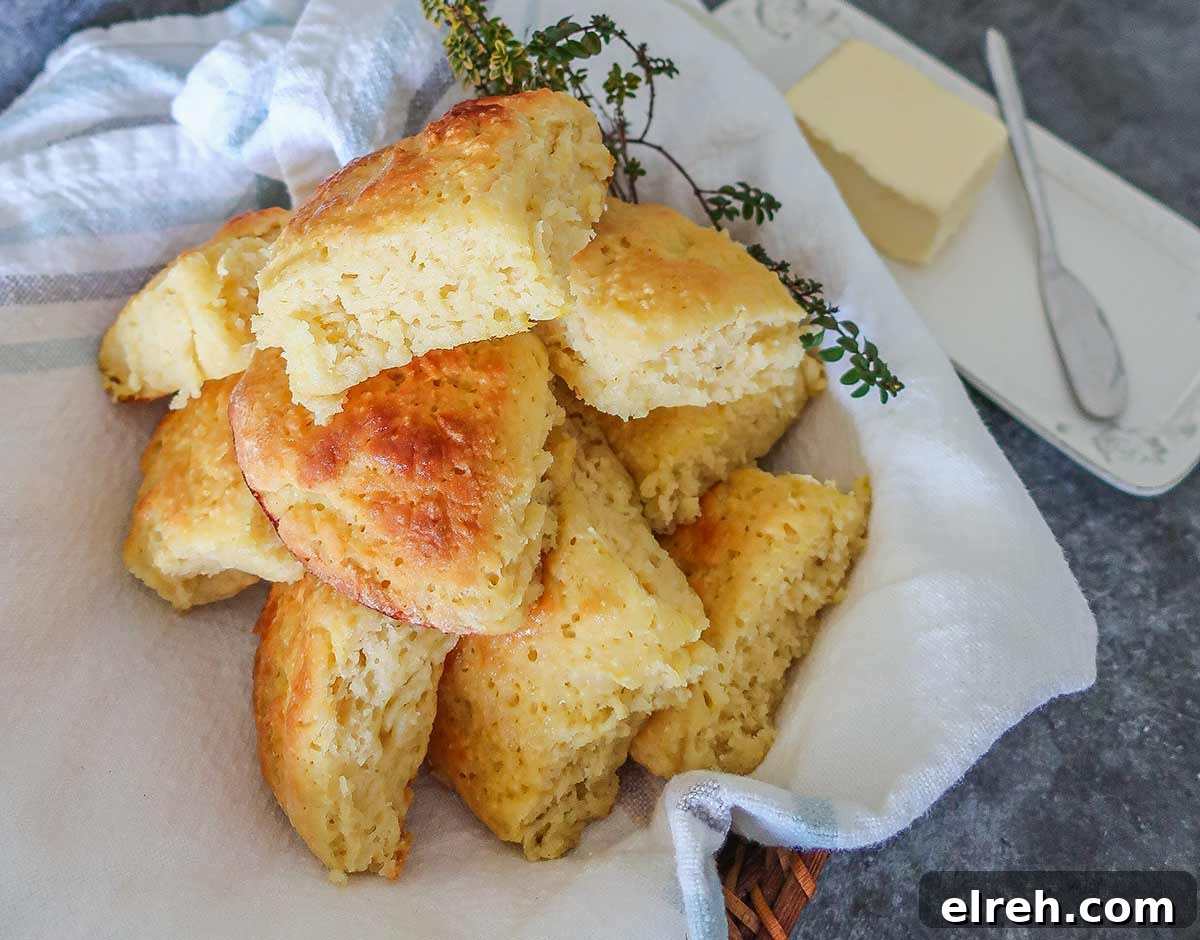
Marshmallow-like milk rolls that are moist, tender, and ideal for sandwiches or to serve alongside stews and gravies.
Gluten Free Hot Cross Buns
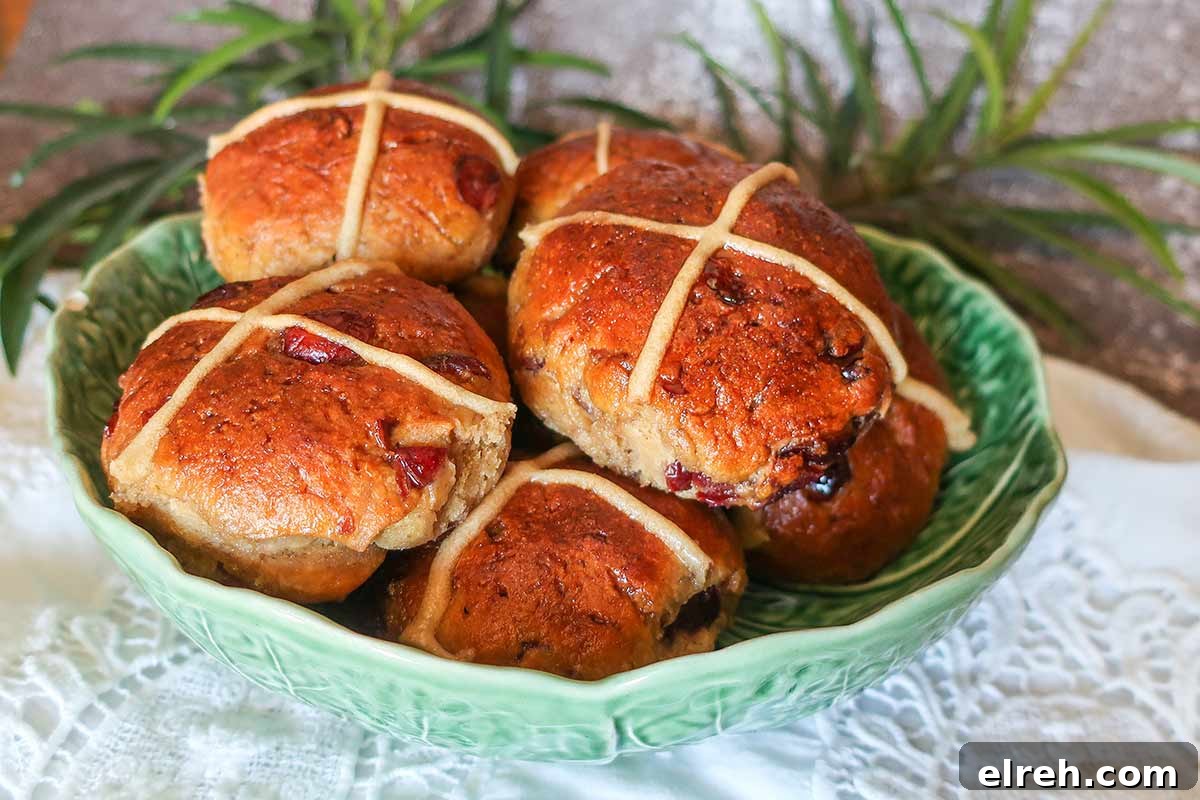
Lightly sweet, spiced hot cross buns with fruit and a glossy finish—perfect for Easter or any cozy occasion.
4-Ingredient Gluten-Free Cheese Buns
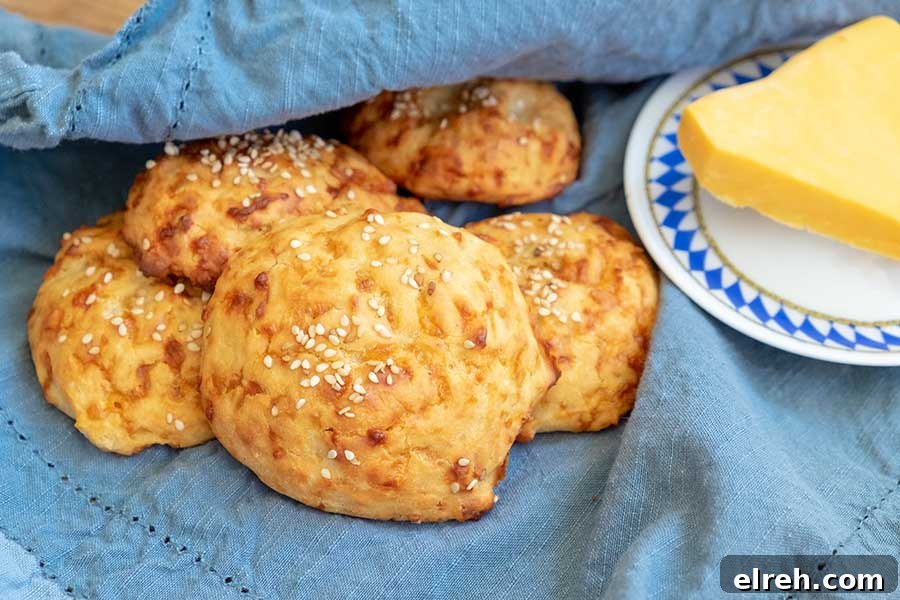
Simple, tender cheese buns made with just a few ingredients—fast, reliable, and delicious.
Best Gluten-Free Pull-Apart Soft Rolls
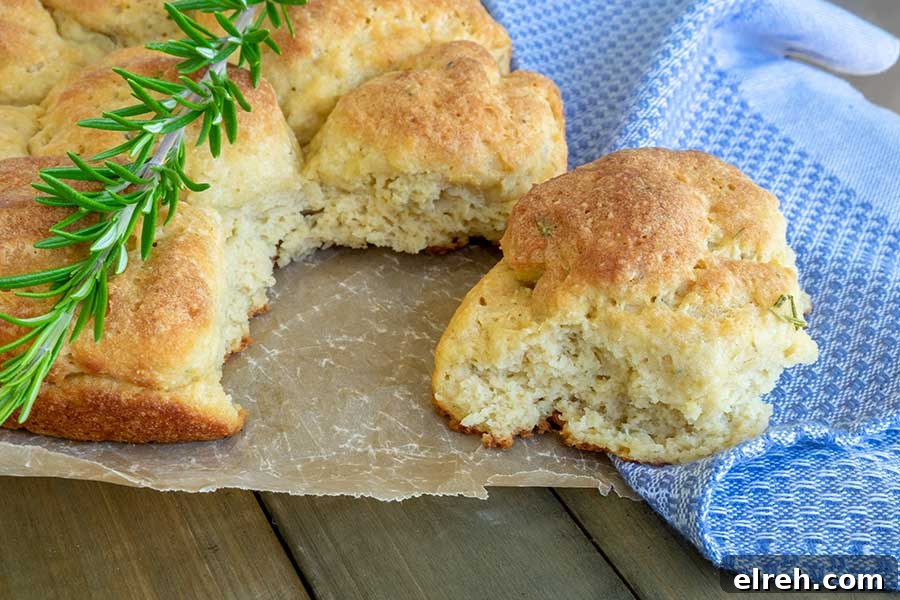
Soft, pillowy pull-apart rolls that are ideal for holiday tables or any time you want an irresistible side.
Easy Gluten-Free Sub Rolls
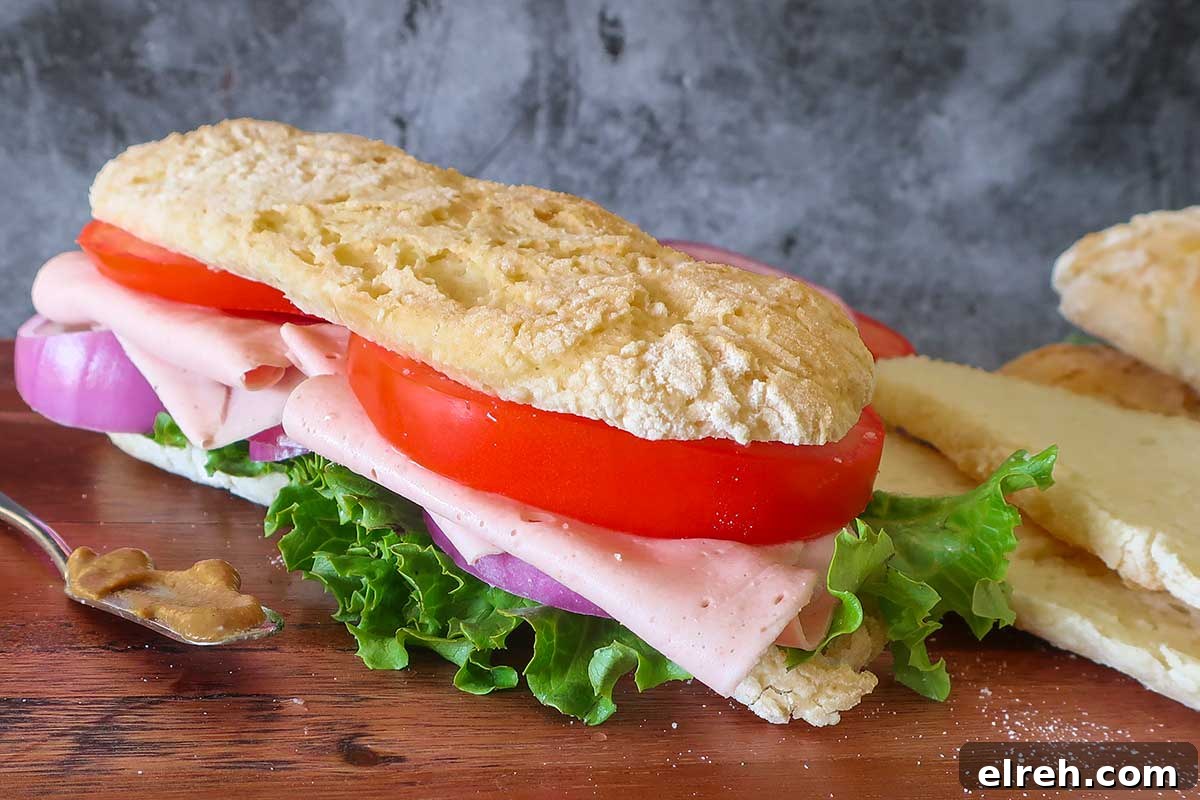
Long, versatile sub rolls with a tender crumb and a crisp crust—great for sandwiches, lunches, or entertaining.
Tools I Use for the Best Gluten-Free Rolls
Over time I’ve found a few simple tools that improve consistency in gluten-free baking: a non-stick perforated pan for a more even bake and a light crust; a reliable kitchen scale to weigh flours and avoid dense, dry results; and a dough scraper and silicone pastry mat to handle softer, stickier dough without adding extra flour.
Tried a recipe?
If you try any of the recipes, please leave a star rating and review to help others find them. Sign up for the newsletter to get new recipes and tips delivered to your inbox.
Many thanks,
Kristina x