Preparing Your Chilli Plants for Winter
With winter approaching, I’ve started preparing my chilli plants for the colder months. As mentioned in our over-wintering chillies article, many chilli varieties are perennial rather than true annuals, and bringing plants through winter gives you a significant head start for the next season. Established plants often produce fruit much earlier and more abundantly than newly grown seedlings.
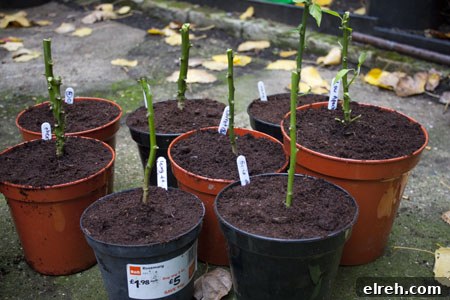
This year I selected nine of the strongest, healthiest plants to overwinter: 3 Chocolate Habanero, 2 Orange Habanero, 1 Birds Eye, 1 Apache, 1 Bulgarian Carrot and 1 Super Chilli F1. I expect the biggest gains from the habaneros because they were slow to ripen this season. Having well-established plants in early spring should increase the number of ripe pods I can harvest from those slower-growing varieties.
Step one was to harvest every remaining fruit. Cold weather had already slowed ripening, so I picked both ripe and unripe pods. Any unripe chillies can finish ripening off the plant indoors, while the ripe ones will be used fresh over the next couple of weeks or frozen for use through the winter. Removing the fruit prevents the plant from wasting energy trying to ripen pods during its dormant period.
Once the fruit was removed, I pruned the plants back quite severely. I cut stems so only about 10–15 cm remained above the root ball. This looks drastic, but it reduces the transpirational load and helps the plant conserve resources over winter. Cutting back also encourages a stronger, bushier regrowth in spring rather than letting long, leggy stems waste energy while light levels are low.
After pruning the top growth, I gently knocked some of the old compost away from the roots and trimmed back any excessively long or damaged roots. I wasn’t trying to fully bare-root the plants—just refreshing the root zone and removing compacted or degraded compost. Then I replanted each chilli into the same pot with fresh, free-draining compost. Fresh compost supplies nutrients that help early spring recovery without encouraging excessive growth during winter dormancy.
Next I’ll move the pots indoors to a bright, south-facing window where they will receive the most light and a stable, warm environment over winter. A frost-free, well-lit spot prevents shock and keeps the plants healthier through the colder months. If a south-facing window isn’t available, aim for the brightest location possible to reduce stretching and weak growth.
Watering is reduced during winter. I check the soil and water sparingly—just enough to prevent the root ball from drying out completely. For most indoor settings that means watering roughly once a week, but frequency depends on the pot size, compost mix and indoor climate. Avoid overwatering, which can lead to root rot when growth is minimal.
Before bringing plants indoors I inspect them carefully for pests and remove any diseased or infested foliage. Treat or isolate anything suspicious to stop pests spreading to other houseplants. Keeping labels on each pot is essential so you can identify varieties when spring growth resumes and track which plants perform best.
Overwintering chillies requires a little time and attention, but the payoff is having established, healthy plants ready to burst back into growth as soon as light and temperatures increase. I’ll post an update later in winter to report how they’re doing and share any adjustments that helped them thrive.