What ingredients make a well-stocked Mexican pantry?
Dried chiles, tomatillos, masa harina and a handful of other staples are essential to Mexican and broader Latin cuisines. None of them need to feel intimidating. Below is a practical guide to stocking a Mexican pantry so you can confidently cook authentic, everyday Mexican dishes at home.
What You Don’t Always Find in a Mexican Pantry
Mexican gastronomy is vast and varies widely by region, so this guide focuses on everyday essentials rather than rare, ceremonial, or highly regional ingredients. Items such as sugarcane, tejocotes, and the many components for complex mole recipes are important but specialized and not required for a functional pantry. Some ingredients, like avocado leaves or hoja santa, are also hard to source outside Mexico and won’t be the priority here.
Fortunately, the grains, beans, fresh produce and spices available at most supermarkets and Latin markets are more than enough to prepare countless flavorful Mexican meals.
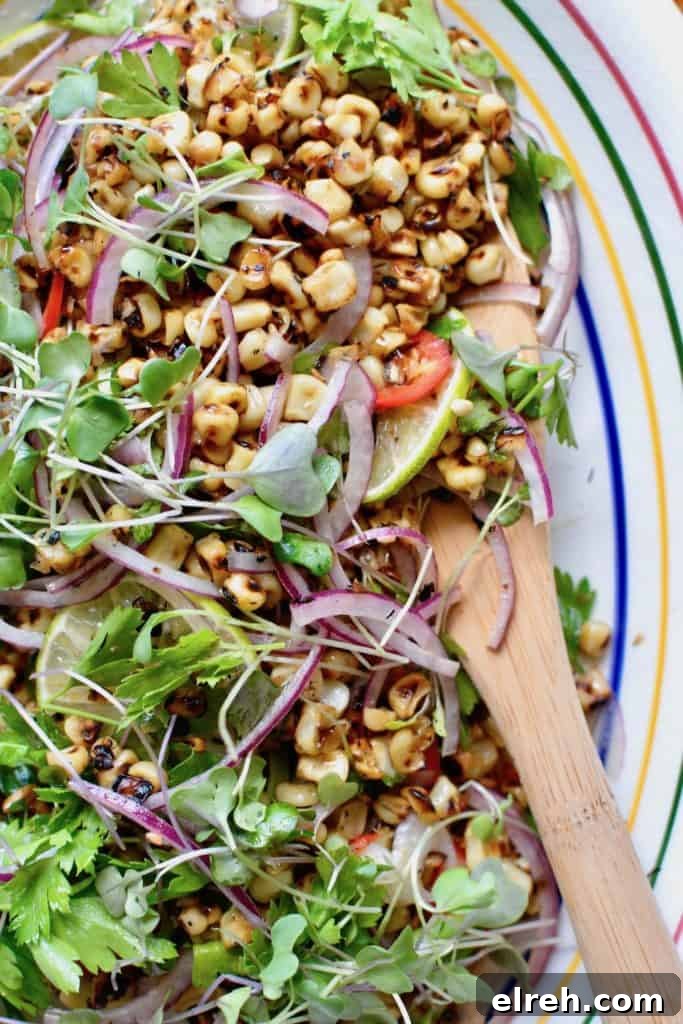
This guide highlights the practical essentials that will let you prepare staples like salsas, tacos, pozole, tamales and more without needing rare or seasonal items.
What You DO Always Find in a Mexican Pantry
These ingredients define the minimal Mexican pantry—items you should always have on hand to make food taste unmistakably Mexican. My top seven essentials are:
- Tortillas: corn or flour, whichever you prefer
- Limes
- Cilantro
- Chiles: fresh, dried, canned or pickled
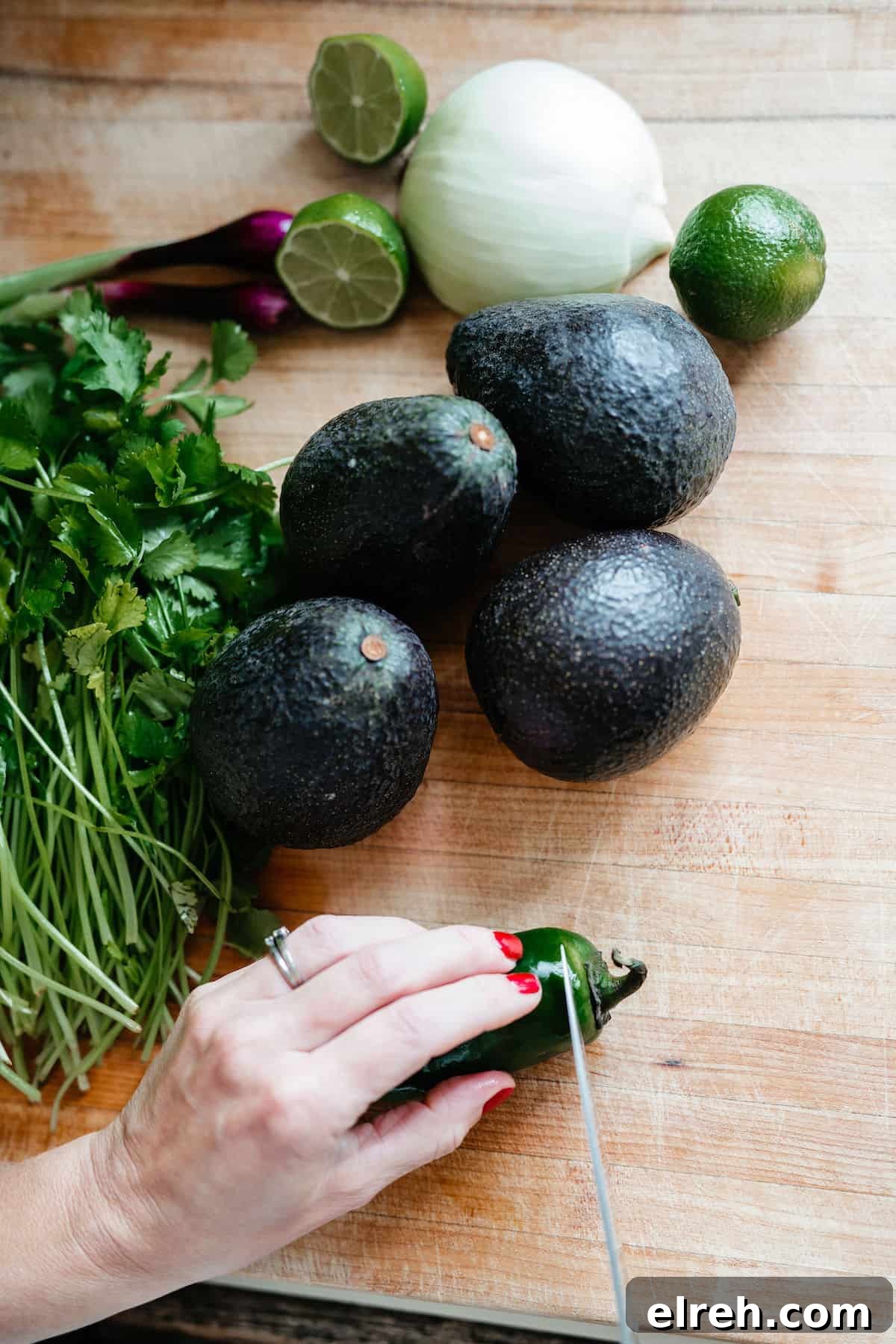
- Avocados
- Beans
- Tomatillos
So Let’s Dive In!
Below is a practical, organized list of ingredients by storage method so you can quickly see what to keep in the fridge, on the counter, in the pantry, and in the freezer.
- From the Fridge
- In the Spice Rack
- On Your Pantry Shelf
- On the Counter
- In the Freezer
From the Fridge
Fresh Chiles
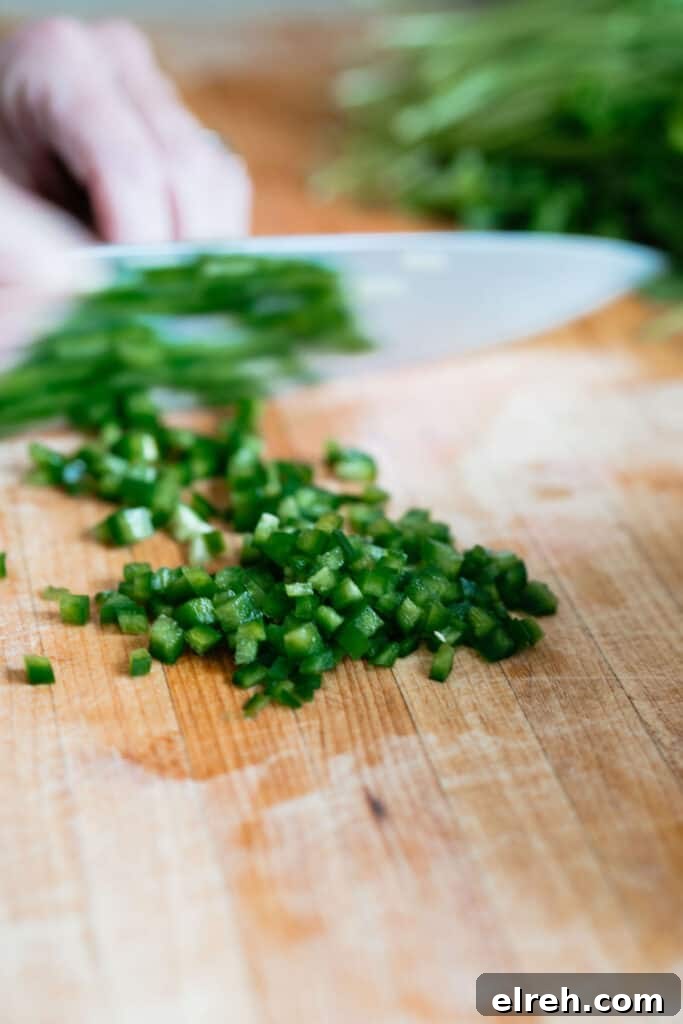
Fresh chiles belong in the refrigerator. I keep at least one type in the crisper at all times. The best prices and selection are often at local Latin markets, but many supermarkets carry common varieties. Fresh chiles last about a week or longer when refrigerated. Removing seeds reduces heat if you want a milder flavor. Common choices from least spicy to hottest:
- Poblanos
- Serranos
- Jalapeños
- Habaneros
Fresh Chile Recipe Ideas
- Charred poblano corn crepes
- Blistered sweet potatoes with serranos and lime
- Spicy raspberry jalapeño margarita
Fresh Herbs
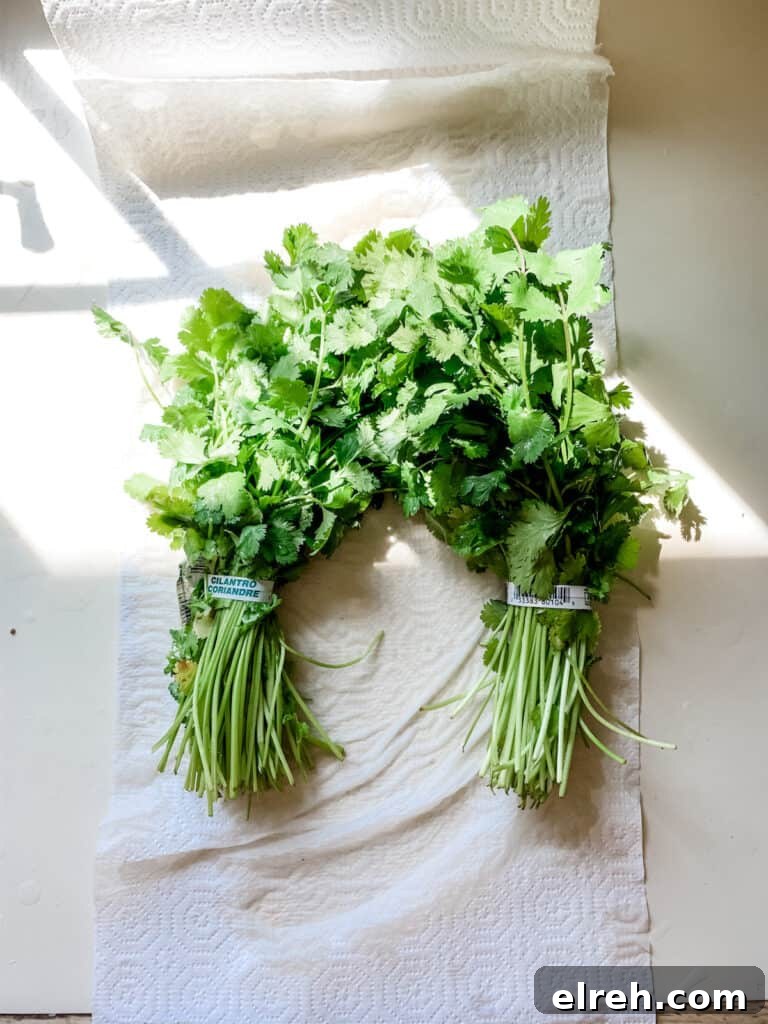
Fresh herbs brighten many Mexican dishes. The most useful to keep on hand are:
- Cilantro
- Mint
- Oregano (preferably Mexican oregano)
- Thyme
Tomatillos
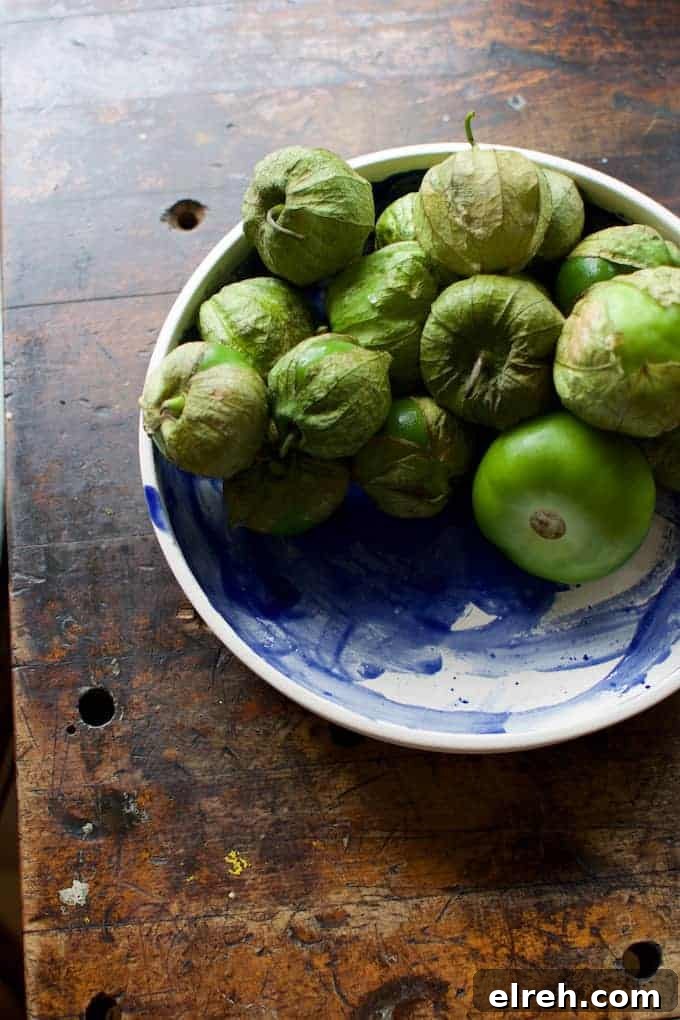
Tomatillos are firm, tart, and wrapped in papery husks. They’re the star of salsa verde and many sauces. They’re widely available at supermarkets and often cheapest at Latin markets, where you may also find purple varieties.
Tomatillo Recipe Ideas
- Tomatillo-avocado salsa
- Pork chili verde
- Chicken mole verde
Tortillas

Tortillas—corn or flour—are cultural essentials. Store them tightly sealed in the refrigerator where they will keep for a couple of weeks. Slightly stale tortillas can be repurposed into homemade chips or used in chilaquiles.
Mexican Cheese
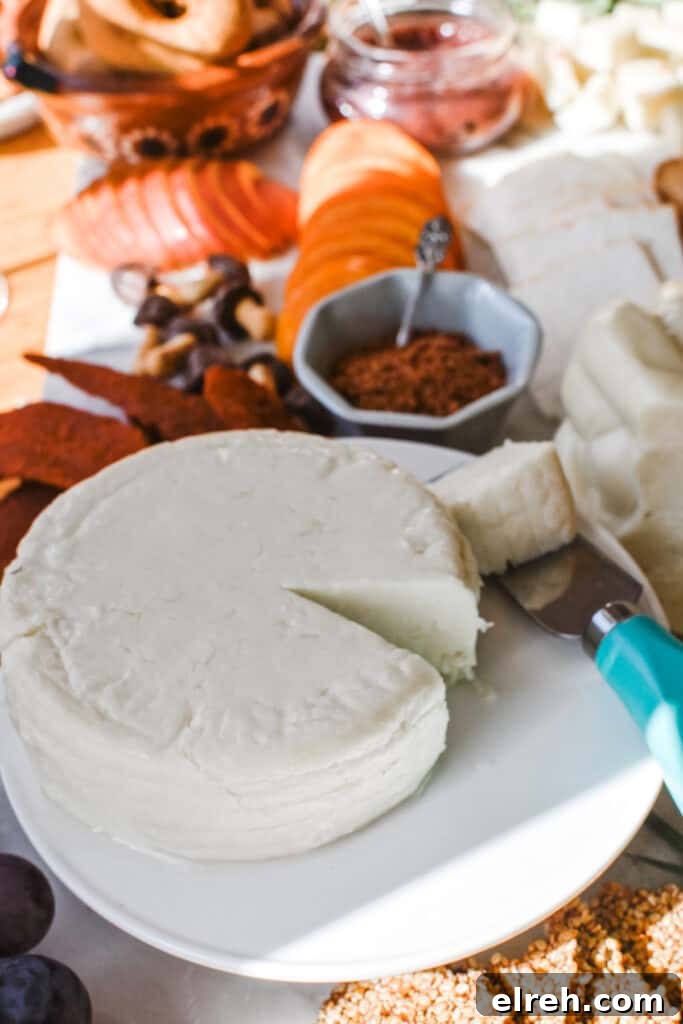
Mexican cheeses vary widely in texture and purpose. Keep a few types for melting, crumbling, and garnishing:
- Queso Oaxaca
- Queso fresco
- Cotija
- Panela
Chorizo
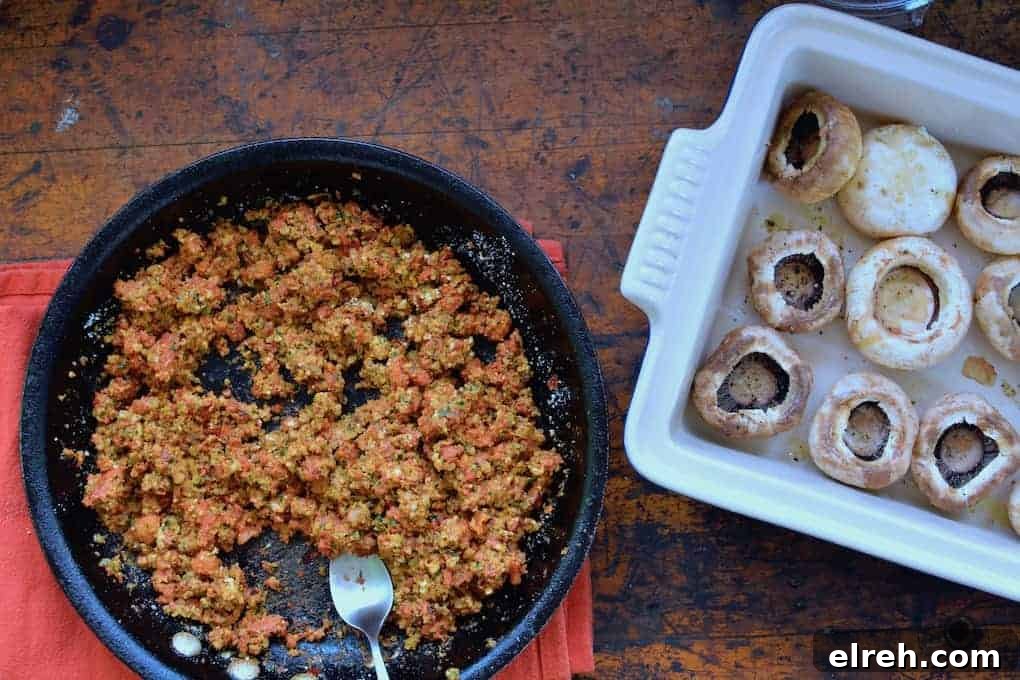
Mexican chorizo is a fresh, uncooked sausage—typically pork or beef—used for sautéing with potatoes, eggs, or folded into tacos. For best flavor, buy chorizo from Latin market butcher shops when possible.
In the Spice Rack
Spices
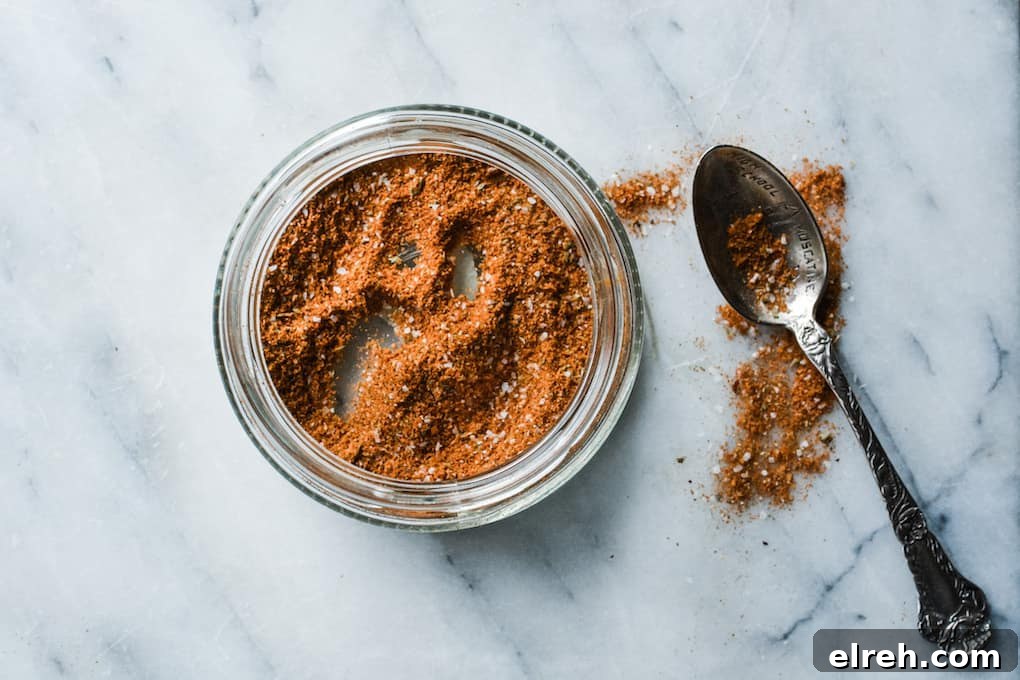
Mexican cooking relies on a well-rounded spice cabinet. Keep these on hand:
- Cumin (ground and seeds)
- Ground coriander
- Ground chiles (cayenne, arbol, chipotle)
- Whole cloves
- Cinnamon
- Vanilla (extract and beans)
Dried Herbs
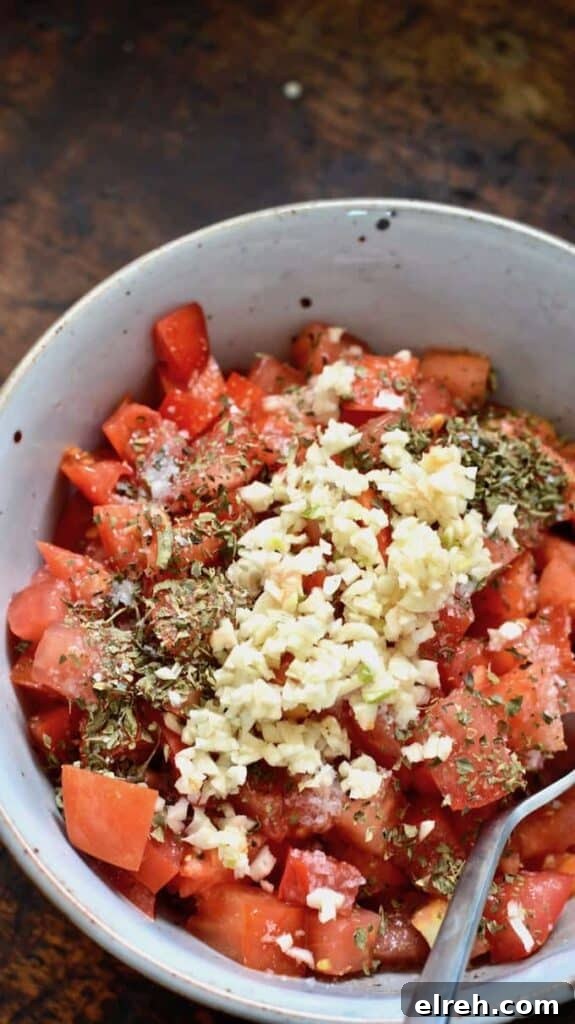
Some herbs are used dried more often than fresh. Keep these for sauces, moles, and stews:
- Bay leaves
- Dried oregano (Mexican oregano when possible)
- Epazote
- Thyme
On Your Pantry Shelf
Dried Chiles
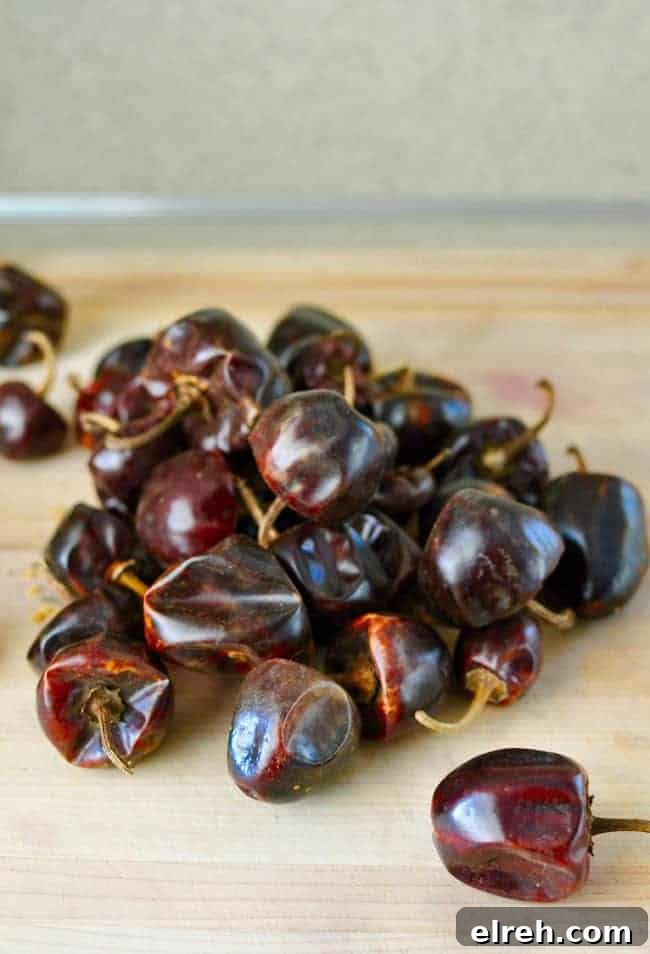
Dried chiles add depth and complexity to salsas, stews and sauces. Unopened, they keep for many months. Common varieties, ordered from mildest to hottest:
- Guajillo
- Ancho
- New Mexico
- Chipotle
- Arbol
Hominy
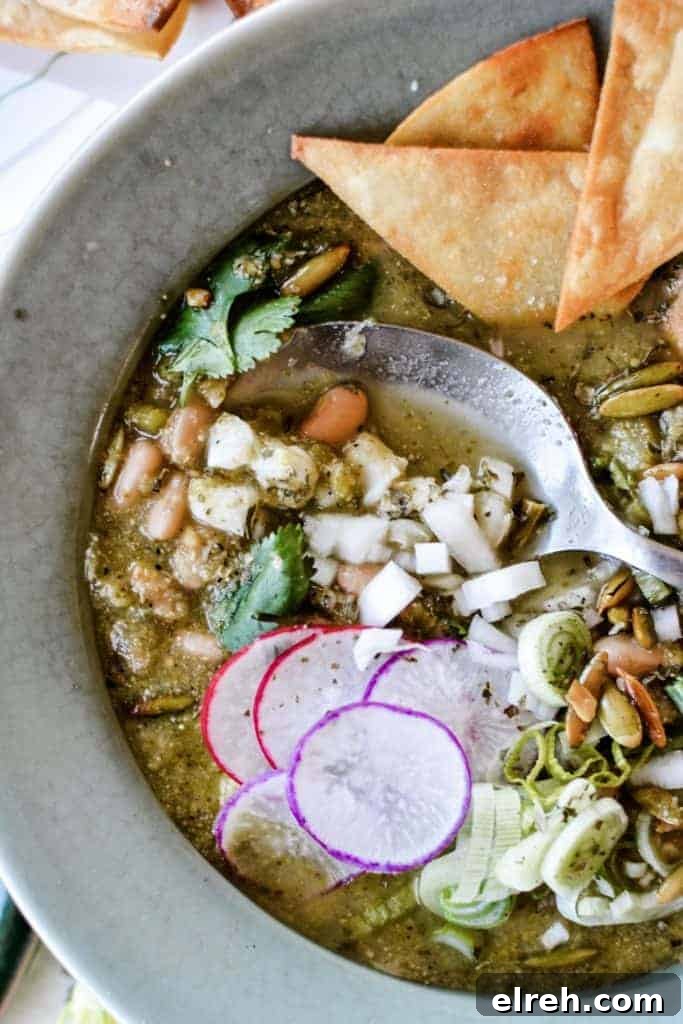
Hominy is field corn treated to remove the hull. You can buy prepared dry hominy that only needs boiling, or you can buy canned hominy for convenience. Properly prepared, hominy is the base of pozole and many other traditional dishes.
Chipotles in Adobo
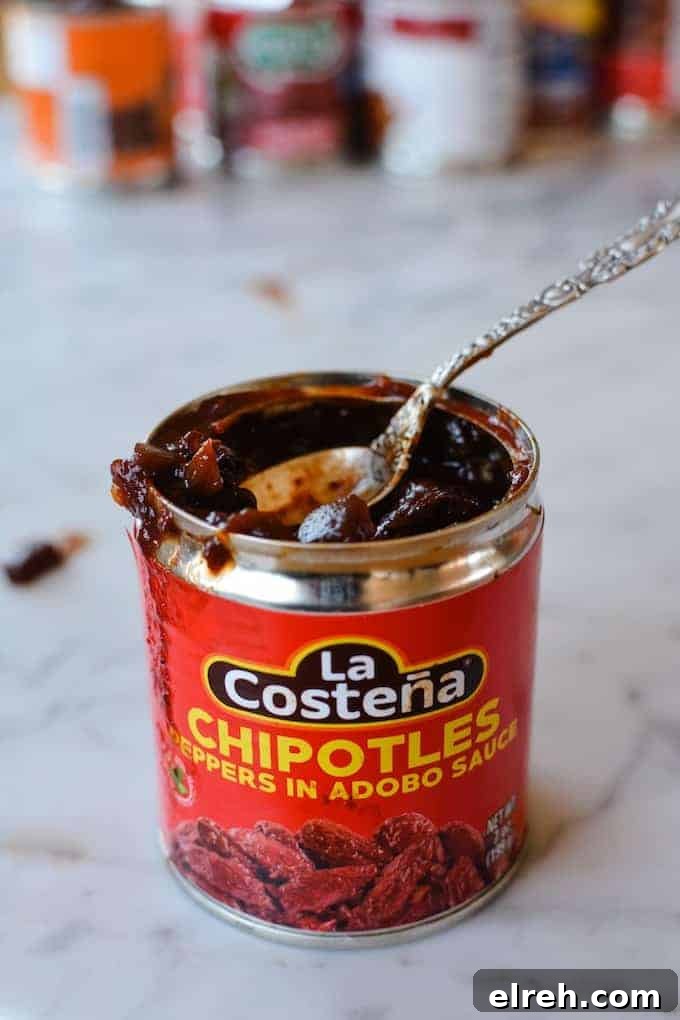
Chipotles in adobo bring a smoky, spicy, slightly tangy flavor that enhances sauces, stews and marinades. Canned chipotles are convenient and versatile.
Tamarind
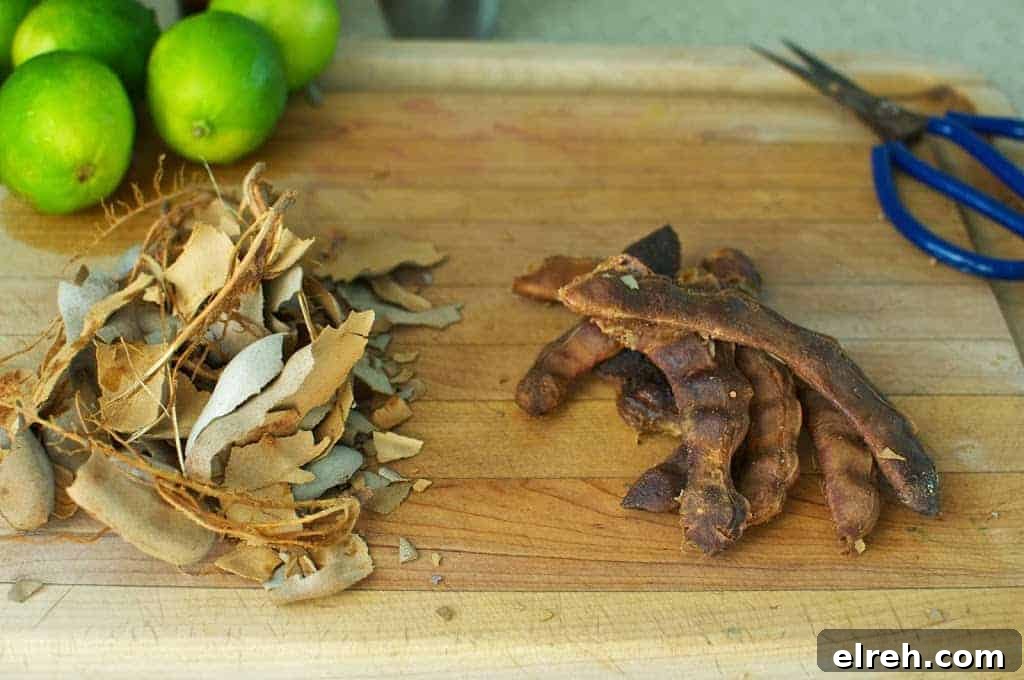
Tamarind adds a puckering tartness often used in aguas frescas and some cocktails. If fresh pods aren’t available, tamarind paste or concentrate can be used as a substitute.
Masa
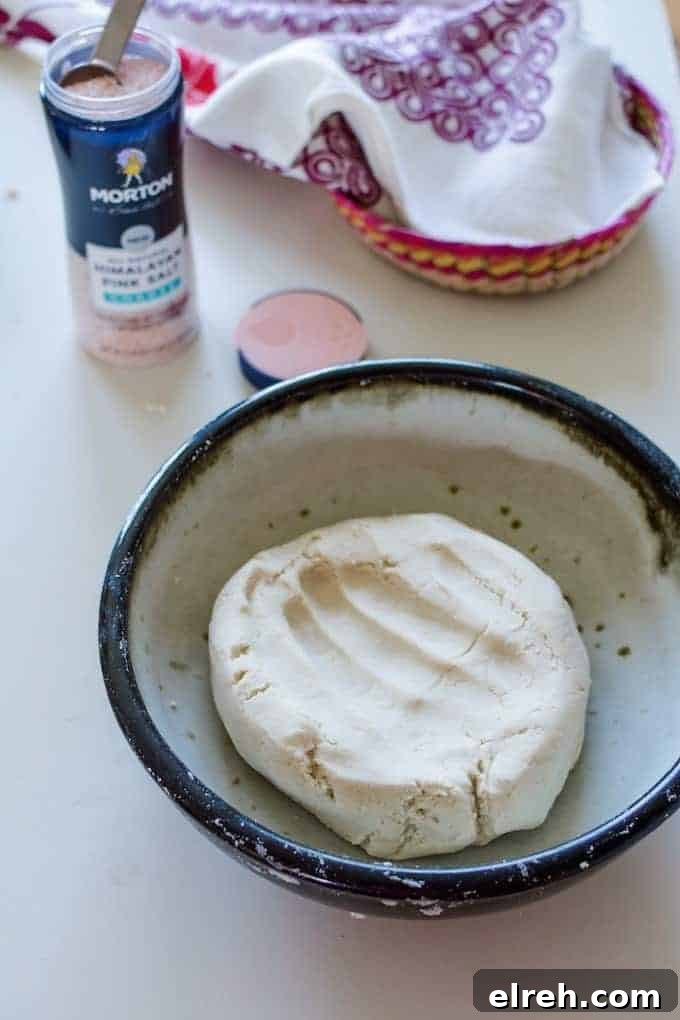
Masa refers to corn dough and comes in two useful forms:
- Masa harina: dried corn flour for making tortillas, tamales, gorditas and sopes.
- Fresh masa: pre-prepared dough made from nixtamalized hominy; available at Latin markets.
Achiote Paste
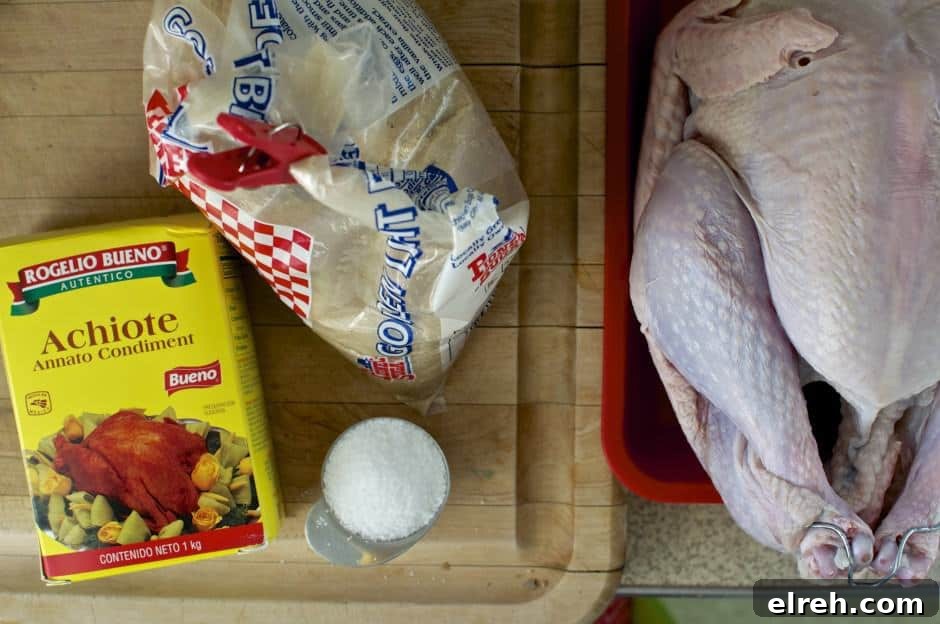
Achiote paste, made from annatto seeds and spices, lends color and a tangy, earthy flavor used in Yucatecan dishes like cochinita pibil. Small bricks of achiote are easy to store and use as needed.
Corn Husks
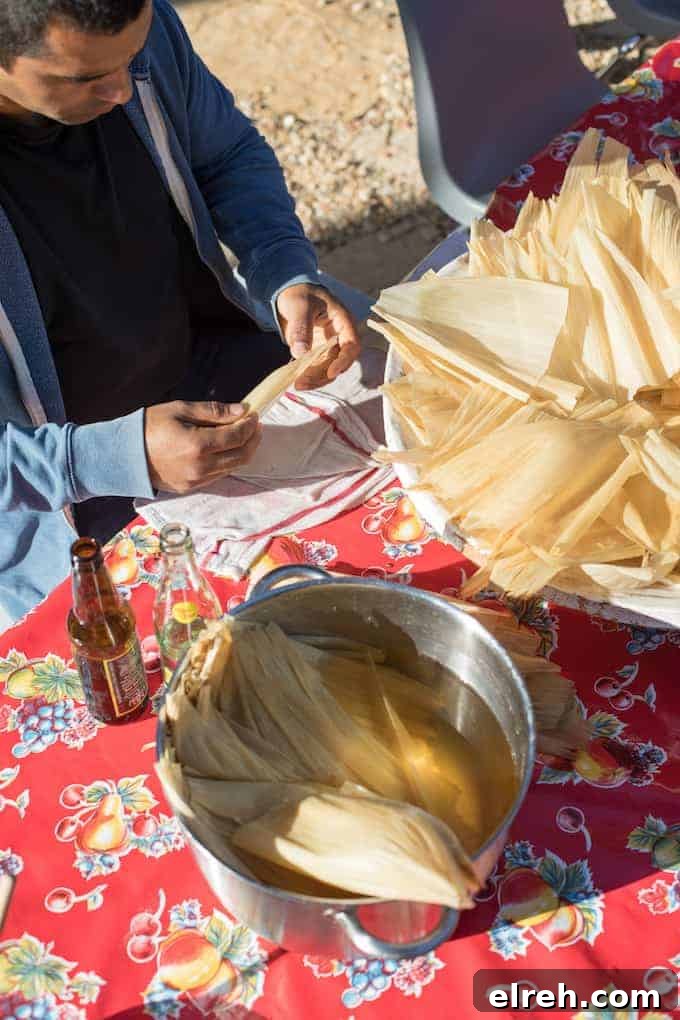
Corn husks are the traditional wrapper for tamales. Soak them in hot water until pliable before using. Banana leaves can be a substitute but are less common to find.
Jamaica (Hibiscus Flowers)
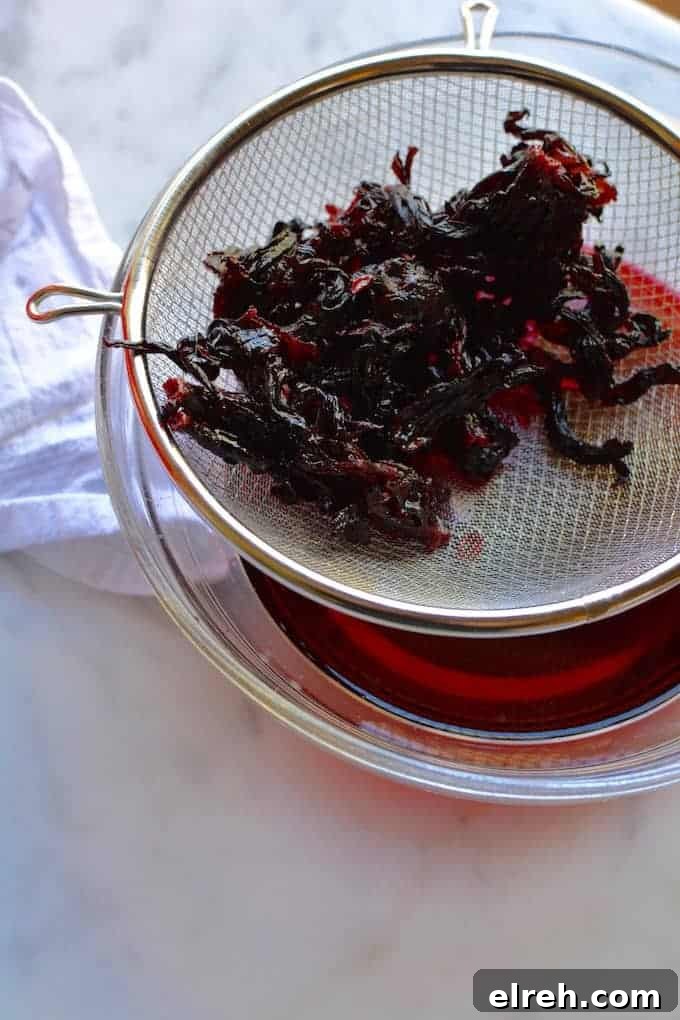
Dried jamaica (hibiscus) is used to make tart, floral drinks like agua de jamaica and can also be rehydrated into savory fillings. Latin markets often offer the best value on this ingredient.
Beans
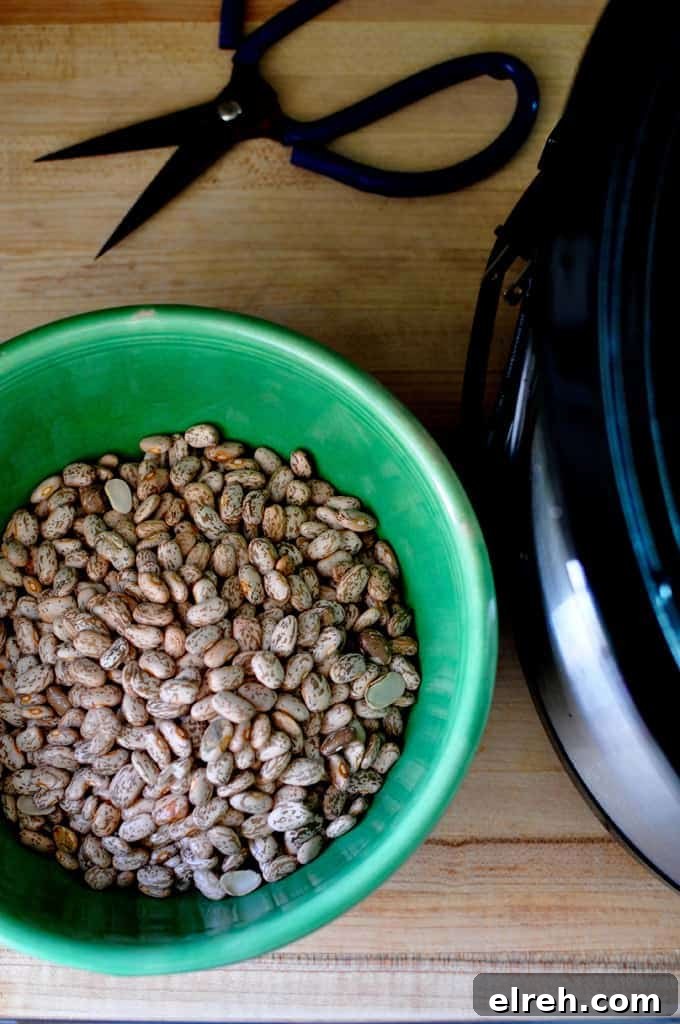
Beans are a cornerstone of Mexican cuisine and a complete protein for many meals. Common and versatile types to stock:
- Pinto beans
- Black beans
- Peruano beans
Piloncillo
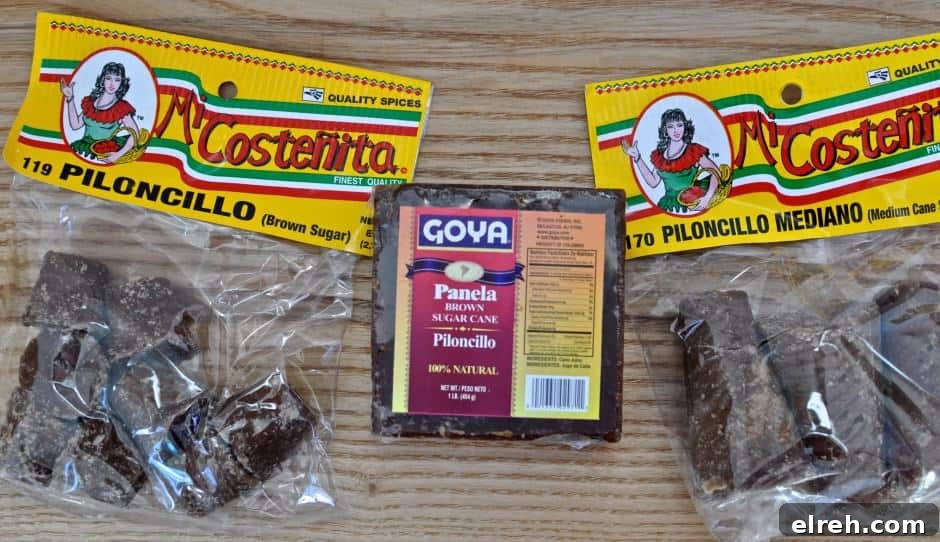
Piloncillo is raw, unrefined cane sugar sold in cones or blocks. It adds deep molasses notes to desserts and drinks. If crushed cones are hard to find, dark brown sugar can be used as a reasonable substitute.
On the Counter
Onions
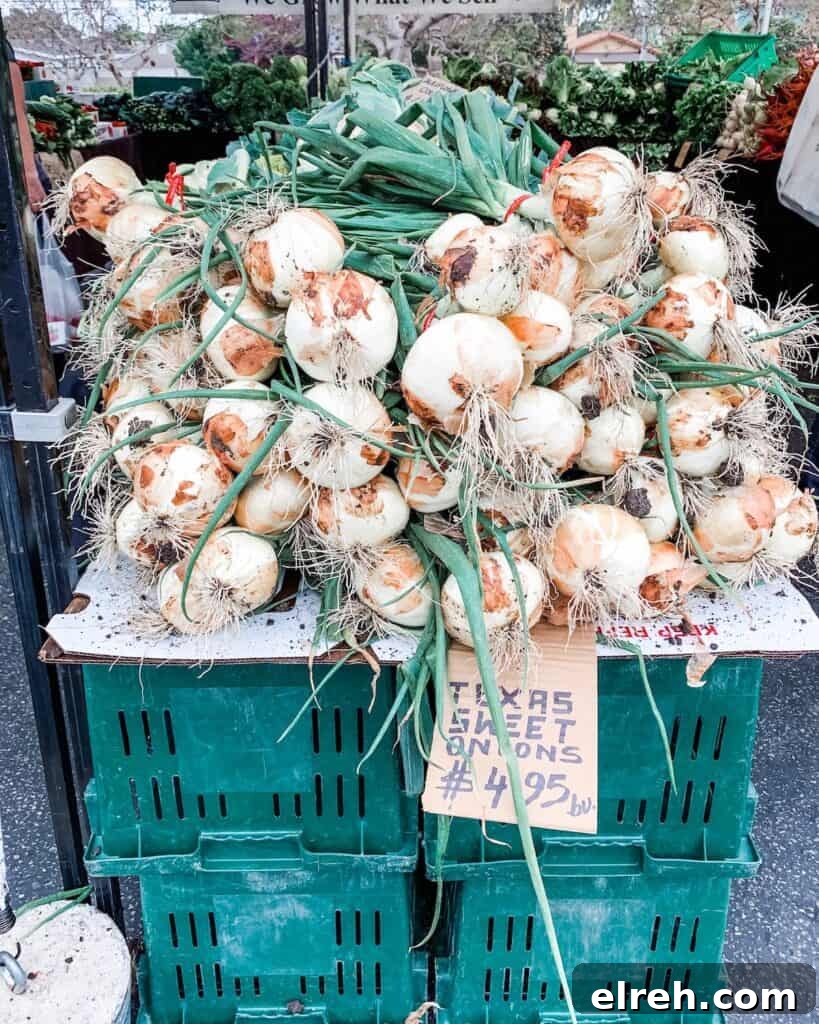
Onions are a foundational aromatic. Mexican recipes often char whole onions to add smoky depth to sauces, or use finely chopped raw onion as a bright garnish. Keep white, red and scallion varieties on hand.
Jicama
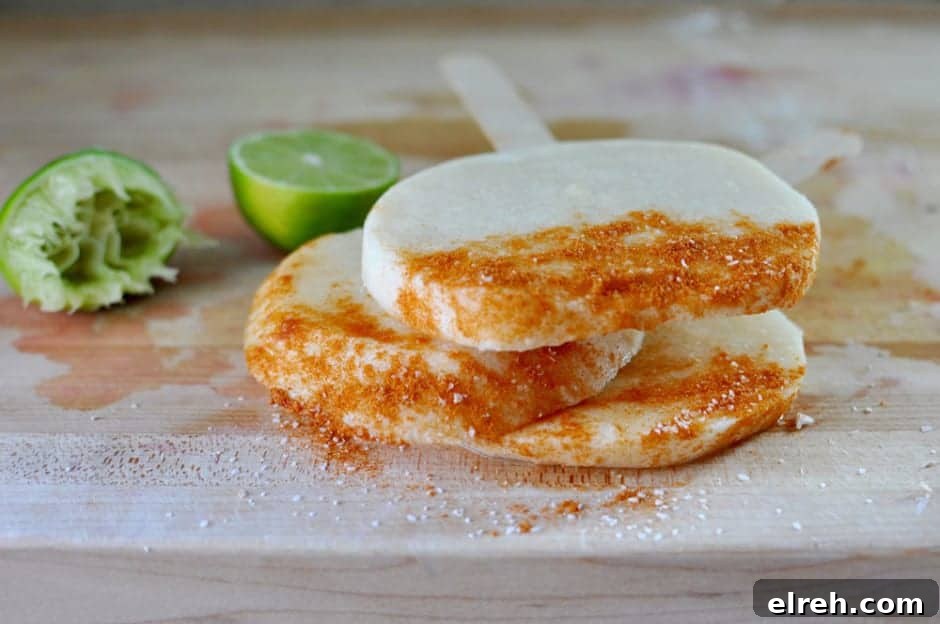
Jicama is crisp and refreshing eaten raw with lime and chili powder. It stores on the counter for a week or refrigerated for longer, and makes a crisp snack or salad ingredient.
Avocado
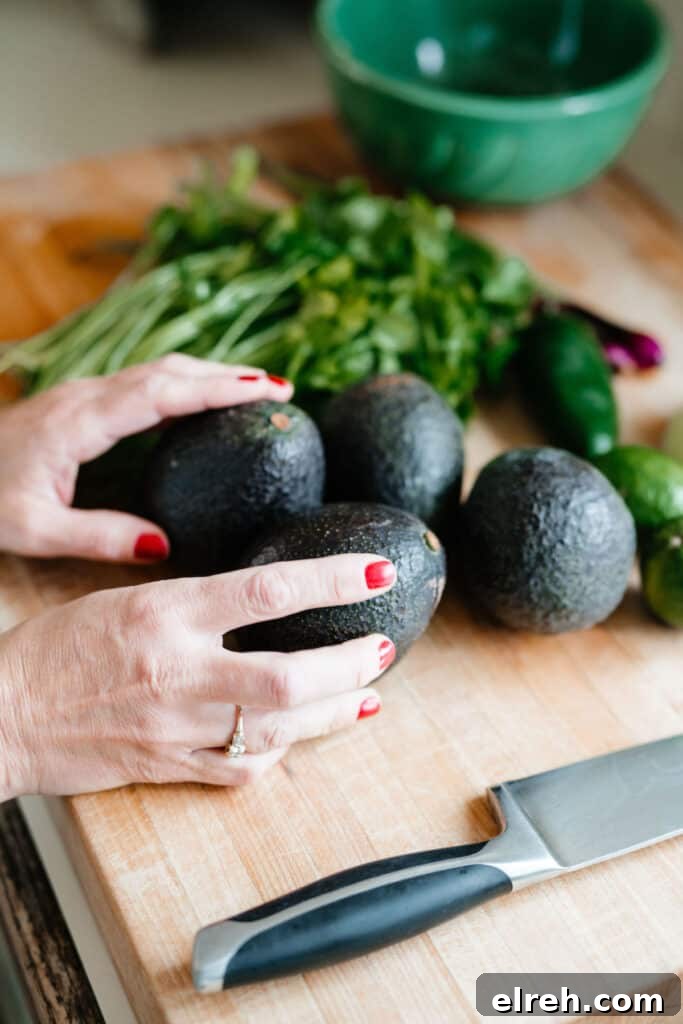
Avocados are prized for their creamy flesh. Store unripe avocados at room temperature and move ripe fruit to the refrigerator to extend shelf life. Press plastic wrap directly onto cut flesh to slow browning.
Limes
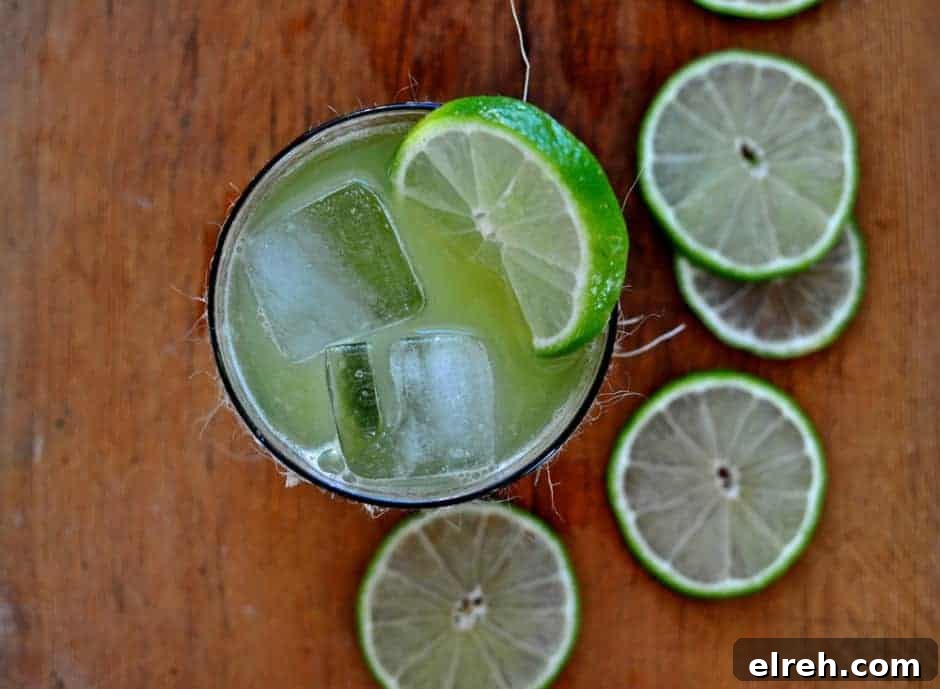
Limes are the citrus backbone of Mexican cuisine—used in salsas, marinades, drinks and as a finishing squeeze for nearly any dish. They keep well at room temperature for up to two weeks; refrigerate to prolong freshness.
In the Freezer
Nuts and Seeds
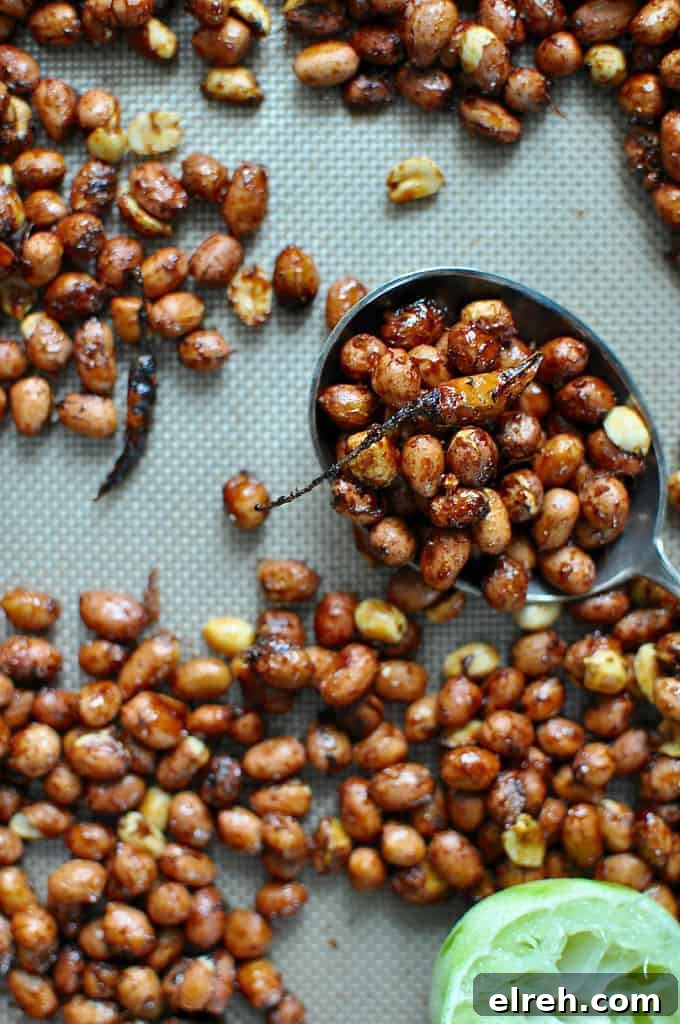
Nuts and seeds add texture and richness to moles, salsas and desserts. Because their oils can turn rancid, store them in the freezer for up to six months. Useful varieties include pepitas (pumpkin seeds), white sesame seeds, pecans, walnuts and peanuts.
Let’s Get Cooking!
With these staples on hand you can make iconic, approachable Mexican dishes. Try a few to get started:
- Borracho beans — pinto beans simmered with aromatics, spices and beer
- Caldo de pollo — hearty Mexican chicken soup with vegetables and herbs
- Shredded beef tacos — tender beef served with fresh salsas and tortillas
- Pork carnitas — slow-cooked pork finished crisp for tacos
What’s Your Favorite Mexican Ingredient?
Which pantry staples do you rely on most? Share your favorites or snap a photo of your pantry and tag your social posts so others can get inspired.
In support of this small business, ¡Hola! Jalapeño earns revenue in a few different ways. Some posts are sponsored and the site may earn affiliate commissions on certain product links. Only items the author genuinely uses are featured. This disclosure helps support the site and keeps content coming—thank you for reading.
Top photo by Lauren Newman