To build a successful career in hospitality, the right training is essential. Practical, hands-on experience is especially important for aspiring chefs and hotel professionals. While classroom theory provides foundations, true competence is developed in kitchens, at the front desk, and on housekeeping rounds. Practical training bridges the gap between learning and performing in real workplace situations.

This article explains why practical training is a cornerstone of hotel management, culinary, baking, and cooking courses. Whether you want to be a professional chef, a restaurant manager, or a hotel operations leader, hands-on training develops the confidence and skills employers expect.
What Is Training in Hotel Management?
Training in hotel management means developing the specific skills and knowledge needed to perform roles across the hotel industry. It covers technical tasks—such as food preparation, sanitation, and reservation systems—as well as service skills like guest communication and problem resolution. Each department in a hotel demands a distinct set of professional abilities, making practical exposure vital.
Why Practical Training Matters in Hotel Management
There is a clear difference between memorizing recipes or service procedures and applying them under pressure. Practical training turns theoretical knowledge into reliable performance. Key advantages include:
1. Builds Real-World Confidence
Working directly with guests and teams helps trainees learn how to handle complaints, resolve issues calmly, and deliver consistent service. This experience builds the self-assurance needed to work independently in a busy hotel or restaurant.
2. Improves Culinary and Technical Skills
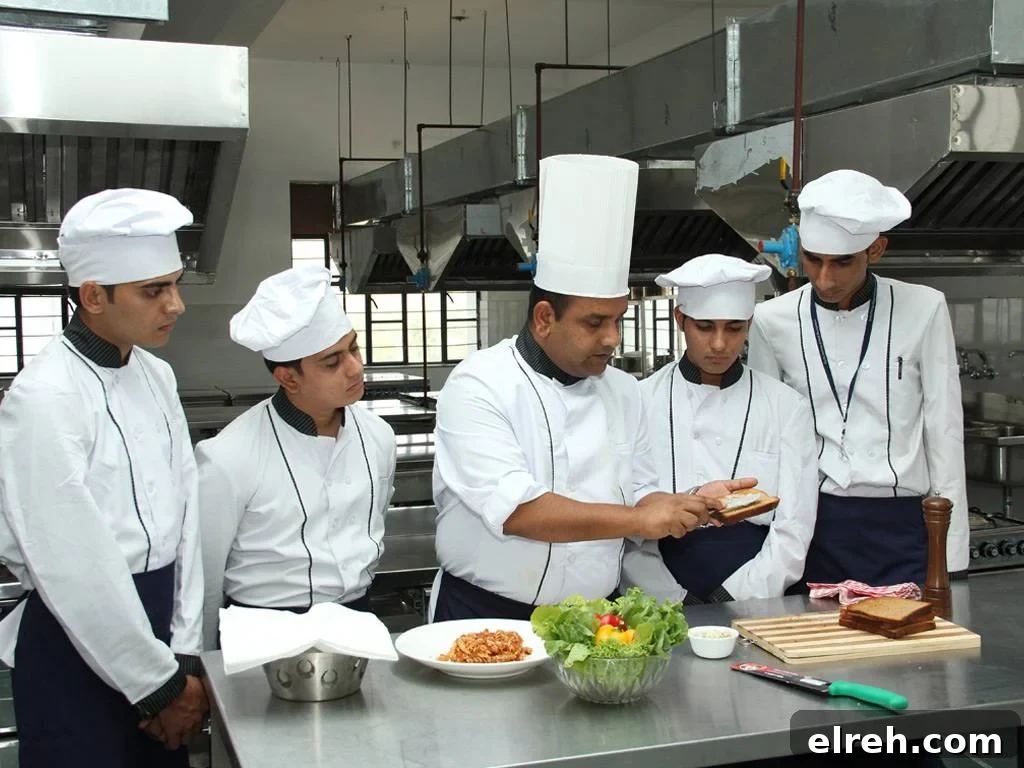
Cooking and culinary courses with practical components teach knife skills, cooking techniques, plating, kitchen safety, and food hygiene. Repetition in real kitchens refines timing and consistency—essential for professional cooks and bakers.
3. Prepares for Hotel Operations
Hands-on training familiarizes students with front-office procedures, housekeeping routines, point-of-sale systems, and property management software. Direct interaction with these tools and daily tasks shortens onboarding time for new employees.
4. Trains Time and Stress Management
Hospitality is fast-paced and deadline-driven. Practical placements expose trainees to peak service periods, helping them prioritize tasks, work efficiently under pressure, and maintain service standards.
5. Enhances Employability
Employers favor candidates who bring proven, practical experience. Completing structured internships or in-house training during hotel management courses increases the chances of securing stronger job offers and faster career progression.
For students entering this dynamic field, hands-on experience is essential. Employers look for professionals who can adapt quickly, communicate clearly, and consistently deliver exceptional guest experiences. Practical training is therefore more than an option—it’s a career necessity.
How Hotel Management Training Upgrades Your Skill Set
Hotel management training shapes technical ability, professional behavior, and personal confidence. Core areas of development include:
- Technical Skills: Mastery of reservation systems, food safety practices, and operational procedures.
- Soft Skills: Effective communication, teamwork, conflict resolution, and leadership.
- Adaptability: Experience across departments prepares you to handle varied roles and responsibilities.
- Career Focus: Practical training helps identify specializations—such as culinary arts or front-office management—and supports informed career choices.
Final Words
Practical training lies at the heart of hotel management education. It strengthens abilities, builds confidence, and prepares graduates to meet real industry demands. From crafting dishes to managing guest services, the skills learned through hands-on training shape successful hospitality careers.
If you plan to enroll in hotel management, cooking, or culinary courses, prioritize programs that emphasize practical learning. That real-world experience will set you apart and accelerate your growth in the hospitality industry.
Build Your Culinary Career with NFCI – National Finishing and Cookery Institute!
Ready to advance your hospitality career? NFCI (National Finishing and Cookery Institute) offers courses focused on practical skills and industry preparation. Typical features of such programs include:
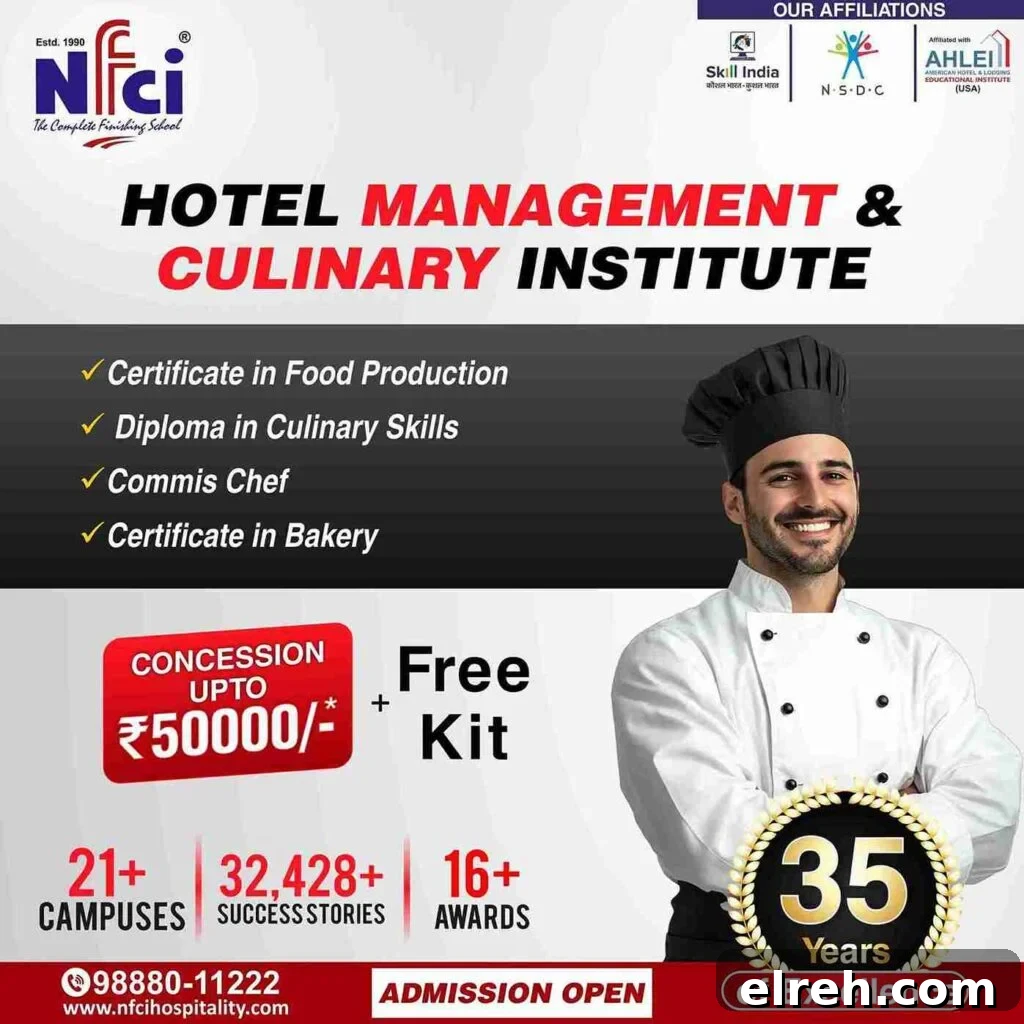
- Approved and structured courses designed for hospitality careers.
- Extensive practical training and real hotel simulations.
- Experienced faculty and industry-focused instruction.
- Scholarship opportunities and placement support to help graduates start their careers.
Choose a program that combines classroom learning with substantial hands-on practice to gain the skills employers value in the hotel and culinary sectors.