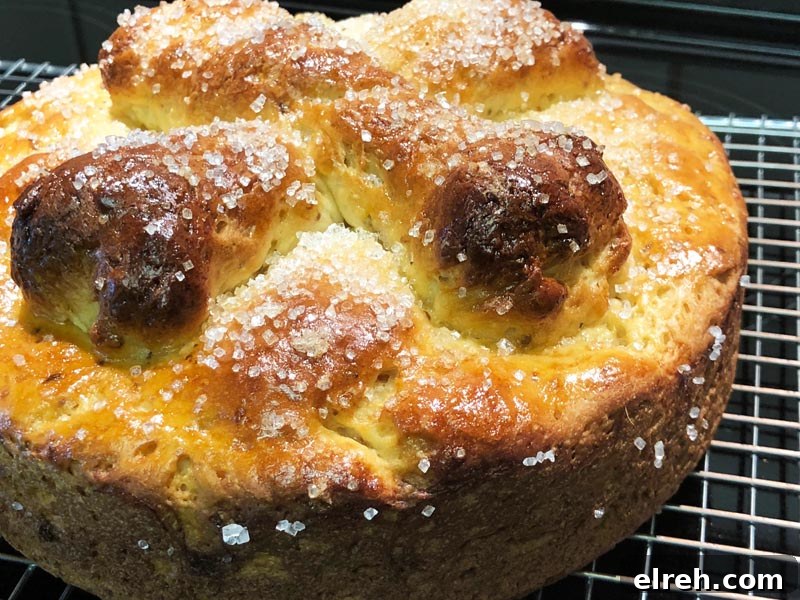
This gluten free Mexican bread is sweet, buttery and reminiscent of brioche or panettone. Known as pan de muerto (bread of the dead), it is traditionally made in Mexico for the Day of the Dead season around late October and early November. Below you will find background on the tradition and a clear, updated gluten-free recipe for making this festive bread at home. A video of the finished texture is also available on the original site for reference.
History of Bread of the Dead
In Mexico, pan de muerto is a ceremonial bread baked to honor deceased loved ones. Families often shape dough into bone-like decorations and place the loaves on home altars as part of offerings. The bread is typically enjoyed by family members during the multi-day commemoration that overlaps with All Hallows’ Eve, All Saints’ Day and All Souls’ Day. These days and the broader Day of the Dead traditions emphasize remembrance, community and celebration of life.
If You Don’t Like Anise or Black Licorice Flavors
There’s no need to worry if you dislike anise. The anise seed in traditional recipes is used sparingly; its mild flavor blends with the bread’s sweetness and citrus notes. If you prefer, you can omit the anise entirely without compromising the overall character of the loaf.
If You Love Orange and Anise
If you enjoy both orange and anise, consider enhancing the flavor with a small amount of extract—about 1/4 teaspoon of orange extract and 1/4 teaspoon of anise extract will intensify the aroma and taste without overpowering the bread.
Gluten Free Day of the Dead Bread
Gluten free Mexican bread that is soft, slightly sweet and buttery—similar to brioche. Decorated with bone-shaped dough, it makes a festive and comforting treat for Day of the Dead or Halloween celebrations.
Ingredients
- 1 cup potato starch
- 2/3 cup cornstarch
- 1/4 cup + 1 tablespoon white rice flour
- 1/4 cup + 1 tablespoon millet flour (or more rice flour)
- 1/4 cup granulated sugar
- 1 tablespoon instant nonfat milk (optional; you can use nonfat milk instead of water)
- Scant 2 teaspoons xanthan gum
- 1-1/2 teaspoons instant yeast
- 1 tablespoon anise seed (optional)
- 2 teaspoons orange zest (finely grated, bright orange skin only – no pith)
- 1/4 teaspoon salt
- 1/4 cup freshly squeezed orange juice (or tangerine juice)
- 2 tablespoons water (heated to 110–115°F)
- 2 large eggs (about 1/3 cup)
- 1/4 cup unsweetened applesauce
- 4 teaspoons neutral-flavored oil (grapeseed, light olive oil, canola, etc.)
- 4 teaspoons honey
- 2/3 teaspoon apple cider vinegar
- 1/2 teaspoon pure vanilla extract
- 5 tablespoons unsalted butter, at room temperature
- White sparkling / decorating sugar (or use an orange glaze; optional)
Instructions
- Add all dry ingredients to a bowl and whisk until evenly combined.
- Sprinkle the orange zest over the dry mix. With your fingertips, rub the zest into the flours so the aroma disperses evenly.
- In the bowl of a stand mixer fitted with a whisk or paddle, add the wet ingredients and mix on medium-low just until combined.
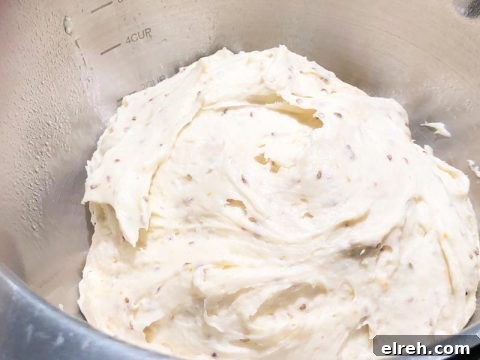
- Add the dry mixture and beat on medium speed for 3 minutes to form a cohesive dough.
-
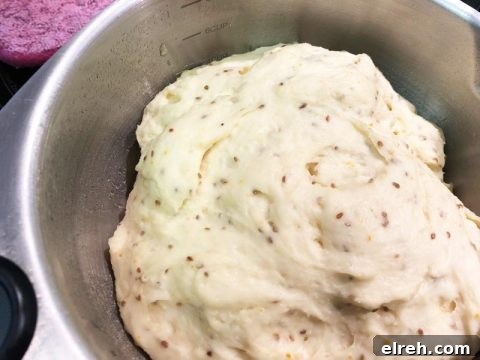
Transfer the dough to an oiled bowl, cover with a clean towel, and let it rise in a warm place until doubled in size, about 1 hour. (A gently warmed oven turned off can provide a good environment.)

-
While the dough rises, lightly oil an 8-inch springform pan (a 7½-inch pan can also work). Once the dough has risen, it will have noticeably increased in volume.
-
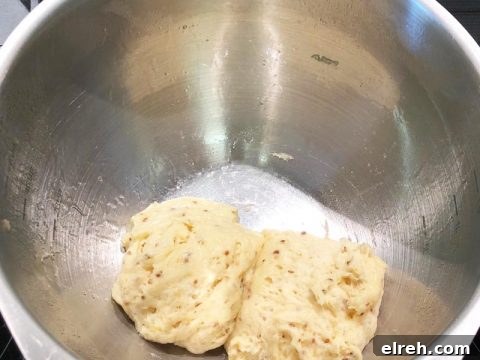
Remove about 1/3 cup of the risen dough and divide it into two pieces. These small portions will be shaped into the decorative crossbones. Chill them in the freezer for about 5 minutes so they are easier to shape.
- Place the remaining dough into the prepared pan and form a round loaf, slightly domed in the center. Lightly sprinkle water and smooth the surface with a spatula.
-
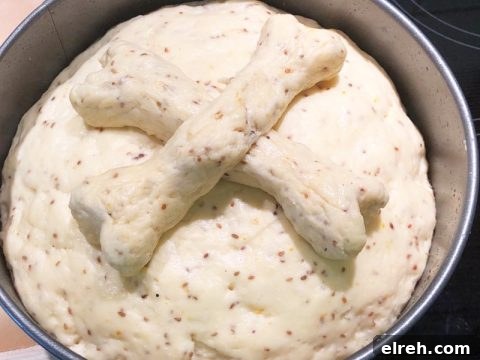
Shape the chilled dough into two elongated bone shapes, narrower in the middle, and arrange them on top of the round loaf to form crossed bones.
- Let the assembled loaf proof in a warm, turned-off oven until it doubles, about 40 minutes.
- Fifteen minutes before the end of proofing, preheat the oven to 375°F (position the shelf one level lower than center).
- Whisk together 1 egg white and 1 teaspoon water and brush the top of the loaf.
- Bake the bread for 10 minutes on the preheated shelf.
- After 10 minutes, tent the top with foil (place parchment between foil and loaf if preferred) to prevent over-browning.
- Continue baking for another 10 minutes, then test for doneness. If the top does not spring back or the loaf still feels soft in the center, bake up to an additional 10 minutes, checking every 5 minutes until set.
- When nearly done, brush with a little more egg white and sprinkle with coarse sugar. Return to the oven for about 10 more minutes, or until the loaf springs back when lightly pressed.
- Remove the bread from the oven and immediately unmold it from the pan. Transfer the loaf to a wire rack to cool slightly.
- Slice and serve warm. Leftover slices freeze well in a single layer in a resealable bag; reheat briefly in the microwave covered with a moist paper towel or at room temperature.
- Tip: Serve warm so the interior butter softens for a rich, tender crumb.
Tips
*Scant means a little less than the stated amount.
Variation: Instead of sprinkling sugar on top, you can finish the bread with an orange glaze.
To make the orange glaze: combine 2/3 cup confectioners’ sugar, 1/4 cup melted and slightly cooled unsalted butter or margarine, and 1/3 cup freshly squeezed orange juice. Stir until smooth; use as a sauce or a topping. If the glaze becomes too thick as it sets, stir in a little more juice.