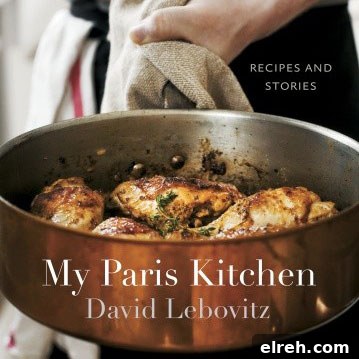
My Paris Kitchen by David Lebovitz — A Cookbook to Read and Cook From
Some cookbooks sit on a shelf waiting for the occasional page flip; others become companions you read like a favorite novel. My Paris Kitchen by David Lebovitz falls into the latter category. It’s a beautifully produced volume that invites both cooking and reading—perfect for curling up with a cup of tea or a glass of wine. The book is substantial in size, spans 340 pages, and is punctuated with appealing photographs that complement the recipes and stories.
The opening pages set the tone: Lebovitz describes his move to Paris and the way he established his own Paris kitchen. That personal introduction leads naturally into a detailed discussion of ingredients—sometimes down to a single ingredient treated with care (garlic, for example, receives a full page). This attention to fundamentals is useful whether you are an adventurous cook or seeking reliable everyday recipes.
For organizational clarity, the book is divided into six main sections: Appetizers, First Courses, Main Courses, Sides, Desserts, and Pantry. Each section contains recipes that range from simple, weeknight-friendly dishes to more indulgent preparations that are still approachable for home cooks. Scattered throughout these sections are brief essays that provide context, background, or the author’s personal musings—short pieces that enrich the reading experience without slowing down the recipe flow.
Standout Recipes by Section
While it would be easy to mark almost every recipe, below are some examples that illustrate the variety and charm of the collection.
- Appetizers: salted olive crisps, Indian cheese bread, green olive basil and almond tapenade, hummus, spice meatballs with sriracha sauce.
- First Courses: vegetable soup with basil purée, raw vegetable slaw with creamy garlic dressing, frisée salad with bacon and eggs (served with garlic toast), cherry tomato crostini with herbed goat cheese, and a classic French onion soup.
- Main Courses: fresh herb omelet, fried ham and cheese sandwich, baked eggs with kale and smoked salmon, chicken with mustard, steak with mustard butter accompanied by French fries.
- Sides: butternut squash crumble, baked Provençal vegetables, herbed fresh pasta, and a French lentil salad with goat cheese and walnuts.
- Desserts: coffee crème brûlée, salted butter caramel chocolate mousse, almond cakes with browned butter, madeleines, chocolate dulce de leche torte, buttermilk ice cream drizzled with olive oil and a sprinkle of fleur de sel, plus a tangerine champagne sorbet.
- Pantry: recipes for crème fraîche, harissa, and a salted butter caramel sauce that can elevate many simple desserts.
The recipes strike a balance: approachable techniques for weekday meals alongside indulgent treats for company or a leisurely weekend. The pantry section is especially useful, offering components and condiments that expand what you can do with the main recipes.
Essays and Personal Notes
Interspersed with recipes are short essays—often a page or two—that reveal Lebovitz’s voice, travels, and culinary observations. Titles include playful or evocative headings such as “Cheese to (Almost) Die For,” “A Passage to India — Via Paris,” “Man vs. Machine,” “La Stress du Supermarché,” and “The Battle of the Beurres (butters).” These essays provide cultural context and a sense of place, making the book enjoyable to read even when you aren’t planning to cook.
The combination of practical recipes, helpful ingredient discussions, vivid photography, and personal essays makes this a cookbook that performs double duty: it is a reference for the kitchen and a pleasurable book to return to at leisure.
Who Should Read This Book?
If you enjoy straightforward home cooking with a French twist, appreciate well-written food essays, and like a cookbook you can read front to back, this volume is a strong choice. Many recipes are surprisingly accessible, and the book’s personality makes it feel less like an instruction manual and more like a conversation with a knowledgeable friend living in Paris.
Overall, My Paris Kitchen is a charming, well-rounded cookbook that invites both cooking and reading. It offers reliable recipes, useful pantry guides, and memorable essays that together create a book you’ll reach for repeatedly.
Disclaimer: Amazon links are affiliate links.